Brown Velvet – rust-brown bedding floribunda rose – MACultra
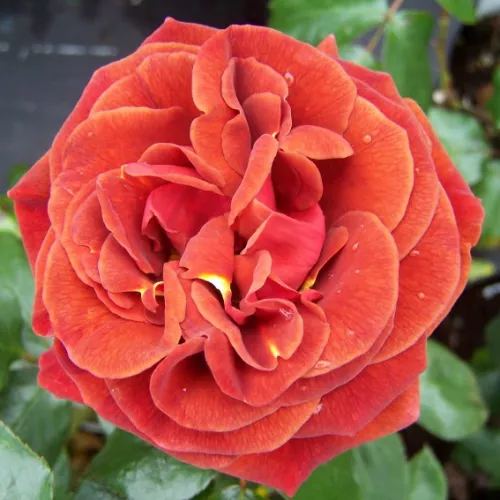
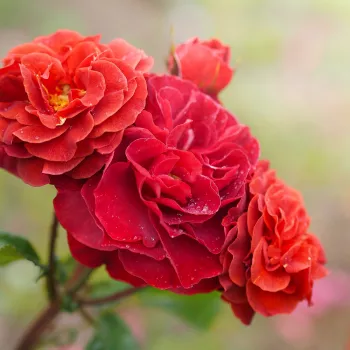
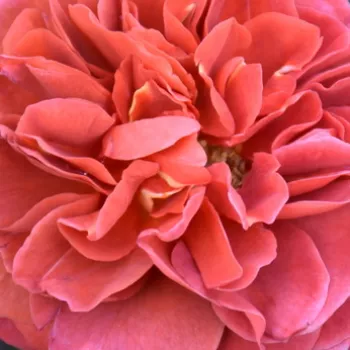
velvety blooms of Brown Velvet bring an immediately distinctive focus to compact British gardens, with their rare rust-brown tones deepening towards chocolate in cool weather and holding colour well even in summer. This bushy floribunda forms a tidy, medium-sized shrub with glossy dark foliage that suits front gardens and small borders, where you want classic structure without fussy maintenance. Clusters of double flowers repeat reliably through the season, so a modest group planting soon reads as a full display from the street. As an own-root rose, the plant develops a long-lived, balanced framework that regenerates well after pruning and suits the natural rhythm of a family garden. Year by year it settles in, with roots establishing first, then stronger top growth, and by the third season delivering its full ornamental value in a stable bush form. It feels at home in mixed cottage-style beds or more contemporary schemes, and once planted in reasonable soil with improved drainage and regular watering in dry spells, it rewards even time-pressed gardeners. Its medium height makes it easy to combine with perennials and low shrubs around paths, windows and patios, while the moderate fragrance keeps the effect refined and subtle. With careful spacing it also adapts well to larger containers of at least 40–50 litres, providing a reliable accent near doors or seating areas where you can appreciate its unusual colouring up close.
Usage options
| Target area |
Reasoning |
| Front garden focal clump (3–5 plants) |
Planted as a small group, Brown Velvet quickly reads as a coherent feature, its bushy habit and dark glossy foliage giving structure while the rust-brown clusters provide an eye-catching, but not overpowering, accent from the pavement, ideal for the style-conscious beginner gardener |
| Low border in classic cottage mix |
The medium height and compact spread make it easy to weave among perennials without crowding, and the warm brown tones pair beautifully with creams, soft pinks and smoky purples for a cottage feel that still looks ordered and manageable for a busy home owner |
| Container near doorway or terrace (≥40–50 L) |
In a generous pot it forms a neat, upright shrub whose repeat-flowering clusters bring season-long interest close to the house; own-root growth gives long-term stability, so the plant can remain as a semi-permanent feature for urban balcony and patio users |
| Small family back garden rose bed |
Its floribunda flowering and reliable repeat flushes create a long season of colour from a modest footprint, building up year by year into a lasting framework that responds well to simple annual pruning, suiting families wanting dependable flowers with limited spare time |
| Mixed shrub and perennial border |
The tidy, bushy outline and defined height range help it integrate with low shrubs and herbaceous planting, providing a distinct colour accent without dominating, while own-root resilience supports a long-lived composition that appeals to long-term garden planners |
| Colour-contrast planting with ornamental grasses |
The unusual rust-brown blooms hold their tone well, even as they fade towards milky coffee, so they stand out against pale, airy grasses and lighter foliage, giving a sophisticated, modern look that still remains straightforward for design-conscious but casual gardeners |
| Urban front garden with exposure to wind and rain |
Once established, its bushy framework, moderate height and well-anchoring own-root system help it cope with exposed, showery conditions typical of many streets, especially when planted in improved soil with good drainage, giving reassurance to city-based rose beginners |
| Cutting patch for small indoor arrangements |
Clustered, medium-sized blooms and firm stems lend themselves to short-stem posies and table vases, with the velvety, unusual colouring offering a dramatic accent indoors; regular cutting also supports repeat flowering for creatively minded home florists |
Styling ideas
- Cottage – Combine Brown Velvet with soft pink obedient plant and creamy foxgloves to echo classic cottage borders that stay compact and easy to manage – ideal for small front-garden romantics
- Contrast – Pair its rust-brown flowers with lime heucheras and silver foliage for a striking, contemporary contrast that still fits modest plots – suited to style-focused townhouse owners
- Monochrome – Create a warm-toned scheme using terracotta pots, bronze grasses and Brown Velvet for layered browns and ambers – perfect for those who like subtle, coordinated palettes
- Formal – Use evenly spaced plants as a low edging along a path, underplanted with low evergreen euonymus, to give a structured, formal line that remains simple to look after – good for neat, low-maintenance gardens
- Patio – Plant one specimen in a 50-litre clay pot and surround with seasonal bedding in creams and apricots for a welcoming, long-flowering feature by the seating area – ideal for busy patio gardeners
Technical cultivar profile
| Parameter |
Data |
| Name and registration |
Registered as MACultra, marketed as Brown Velvet – rust-brown bedding floribunda rose – a floribunda bed rose suitable for shrub and flower bed use in domestic gardens. |
| Origin and breeding |
Bred by Samuel Darragh McGredy IV from ‘Mary Sumner’ × ‘Kapai’; introduced 1982 in New Zealand and 1983 in the United Kingdom through McGredy Roses and John Mattock. |
| Awards and recognition |
Recognised with a Gold Medal and Gold Star of the South Pacific at New Zealand Rose Trials in the late 1970s and a Floribunda Spray win at Santa Clara County Rose Society Show. |
| Growth and structural characteristics |
Bushy, medium-height shrub reaching about 75–105 cm tall and 50–70 cm wide, with dense, dark green glossy foliage and moderate prickles; spent blooms benefit from periodic deadheading. |
| Flower morphology |
Double, cluster-flowering blooms with roughly 26–39 petals, medium-sized cup-shaped flowers borne in sprays, remontant with particularly abundant second flushes in suitable conditions. |
| Colour data and phenology |
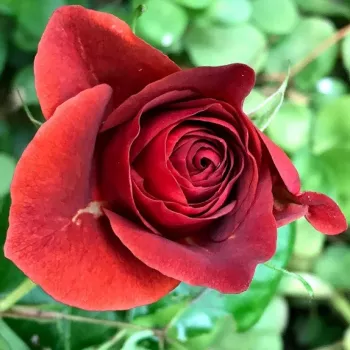
Deep velvety rust-brown blooms with orange tinge; colour can deepen towards chocolate in cool weather, lightening towards milky coffee-brown as they age, with overall very good colour retention. |
| Fragrance and aroma |
Fragrance is very weak and subtly scented, contributing a light rose note without dominating nearby sitting areas; primarily appreciated for visual effect rather than strong perfume in the garden. |
| Hip characteristics |
Produces small numbers of spherical orange-red hips, around 8–12 mm in diameter, developing after flowering if spent blooms are left on the stems, adding modest late-season ornamental interest. |
| Resistance and winter hardiness |
Hardy to around −21 to −18 °C (RHS H7, USDA 6b); disease resistance is moderate, with average tolerance to black spot, powdery mildew and rust, benefiting from standard preventive care. |
| Horticultural recommendations |
Best in sunny sites with well-drained soil; plant 35–65 cm apart depending on use, 5.7–6.6 plants/m² for bedding; water in dry spells and provide occasional plant protection where disease pressure is high. |
Brown Velvet MACultra offers rare velvety rust-brown clusters, a tidy medium shrub and steady repeat flowering on a durable own-root framework, making it a thoughtful choice if you would like a distinctive yet manageable garden rose.