BLUSH™ PIXIE® – pink groundcover rose - Tanjga
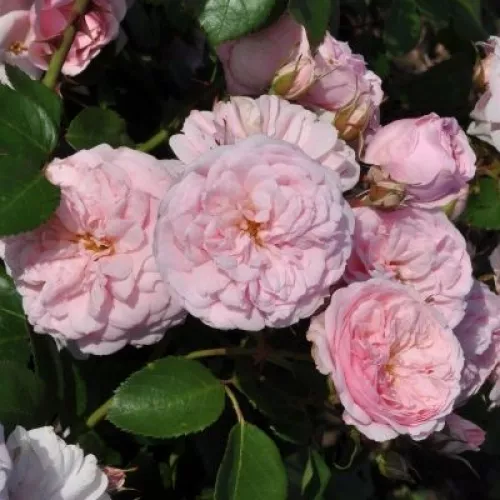
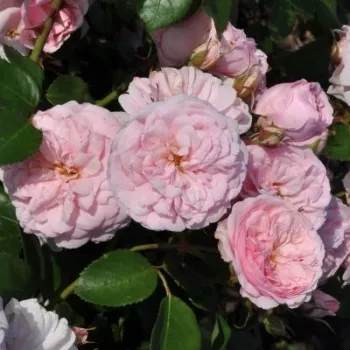
Compact and naturally low-growing, BLUSH™ PIXIE® is an easy-to-place groundcover rose that brings a soft, pastel veil of colour to small British gardens and patios. Its dwarf, spreading habit creates a neat, edging-friendly carpet of foliage and bloom, ideal beside paths, drives and cottage-style front gardens where space is at a premium. Clusters of double, cup-shaped flowers in a gentle, milky-pink blush repeat through the season, keeping the planting fresh without demanding advanced pruning skills or complicated feeding routines. This own-root rose settles in steadily and, with sensible watering on heavier clay soils with improved drainage, forms a durable, low mound that is easy to look after year after year. Over time, it becomes a long-lived, reliable feature that fits naturally into mixed borders, small group plantings and large containers, matching the relaxed charm of classic cottage schemes while remaining straightforward for busy or less experienced gardeners.
Usage options
| Target area |
Reasoning |
| Edging along front paths or driveways |
The naturally low, spreading habit forms a tidy edging line without the visual bulk of taller shrubs, helping to keep entrances and paths looking ordered but soft. Its repeat-flowering clusters refresh the display through summer, rewarding minimal care for beginners. |
| Groundcover in small mixed borders |
Dense foliage and modest height allow this rose to knit together the front of a border, covering bare soil and reducing weeding while pastel-pink blooms harmonise with many cottage perennials. Over the first three seasons it builds from rooting to full display, suiting patient homeowners. |
| Compact rose beds in family gardens |
The recommended planting distances make it easy to design small, uniform drifts that deliver a cohesive, low-maintenance look. Medium disease tolerance and moderate care needs stay manageable, especially where simple routines are preferred by busy families. |
| Patio containers and large pots (40–50 litres or more) |
Its dwarf stature and spreading form are well suited to sizeable containers, where the plant can develop a stable root system on its own roots and flower reliably near seating or entrances. The soft pink tones blend with many pot combinations, appealing to style-conscious urbanites. |
| Low informal hedging |
Regular spacing at hedging distance creates a low, connected ribbon of growth that lightly defines boundaries without hard lines. The plant’s medium care requirement fits those prepared for occasional checks, giving a gentle barrier with seasonal colour for practical-minded gardeners. |
| Sloping or slightly raised beds |
The spreading habit helps clothe sloped or raised areas, softening edges and reducing visible soil while the plant anchors itself over time. This works especially well where improved soil structure supports moisture yet avoids waterlogging for cautious planners. |
| Partially shaded corners near the house |
Its suitability for partial shade makes it a good choice where taller buildings or fences filter light, yet you still want flower colour and tidy foliage near windows or doors. Reliable rebloom under such conditions supports design flexibility for thoughtful owners. |
| Cottage-style combinations with perennials |
The modest size and pastel-pink clusters pair naturally with phlox, alpine catchfly or daylilies, creating low, tapestry-like plantings that echo traditional cottage borders. Medium vigour keeps it from overwhelming companions, ideal for harmony-seeking enthusiasts. |
Styling ideas
- Pathway Ribbon – plant a narrow line on either side of a front path, underplanting with low spring bulbs for early interest before the rose flowers – perfect for neat, understated entrance-lovers
- Pastel Patio Bowl – use a 50-litre terracotta pot, adding white alyssum or soft blue lobelia to spill around the base – ideal for balcony and courtyard gardeners who want easy, near-at-hand colour
- Cottage Tapestry – weave small groups among phlox and daylilies at the border front to create layered pink and pastel waves – for those who enjoy classic, romantic cottage schemes
- Soft Low Hedge – line a drive or front boundary with evenly spaced plants to draw a gentle, flowering outline – suited to homeowners seeking subtle structure without formal hedging
- Raised-Bed Drift – place a loose drift in a raised sleeper bed so blooms spill softly over the edge – attractive for design-conscious gardeners wanting depth and texture in compact spaces
Technical cultivar profile
| Parameter |
Data |
| Name and registration |
Groundcover rose from the Pixie® collection; registered as BOZbluspix, traded as BLUSH™ PIXIE® and Pixie®, verified premium gold cultivar for accurate garden use. |
| Origin and breeding |
Bred by Biljana Božanić Tanjga for PhenoGeno Roses; registered in 2011 and introduced in 2016, with parentage not recorded but selected for compact, spreading performance. |
| Growth and structural characteristics |
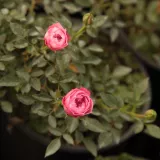
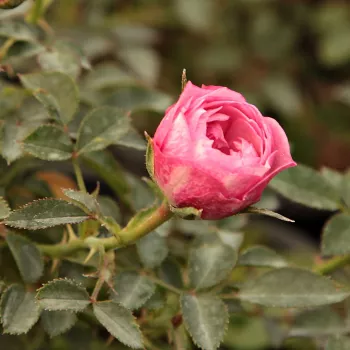
Dwarf, spreading groundcover habit reaching about 18–35 cm in height with a 45–90 cm spread; dense, mid-green, slightly glossy foliage and only slight thorniness along the shoots. |
| Flower morphology |
Small, double, cup-shaped flowers, roughly 0.5–1.5 inches across, borne in clusters; 26–39 petals give a full look, with reliable repeat flowering and notably abundant second flush in season. |
| Colour data and phenology |
Soft, uniform pastel pink with a milky glow; slightly deeper outer petals on opening, then lightening to pearlescent pale pink before fading, though overall colour retention is relatively modest in strong sun. |
| Fragrance and aroma |
Very weak fragrance, detectable only at close range, so primarily chosen for visual effect rather than scent-focused plantings or fragrance gardens where strong perfume is required. |
| Hip characteristics |
Occasional small rose hips, spherical and orange-red (RHS 40A), about 4–8 mm across; ornamental impact is minor and hips are usually unnoticed in typical garden use. |
| Resistance and winter hardiness |
Hardy to approximately –29 to –26 °C (RHS H7, Swedish Zone 4, USDA 5a); medium resistance to powdery mildew, black spot and rust, requiring periodic monitoring and, if needed, light treatment. |
| Horticultural recommendations |
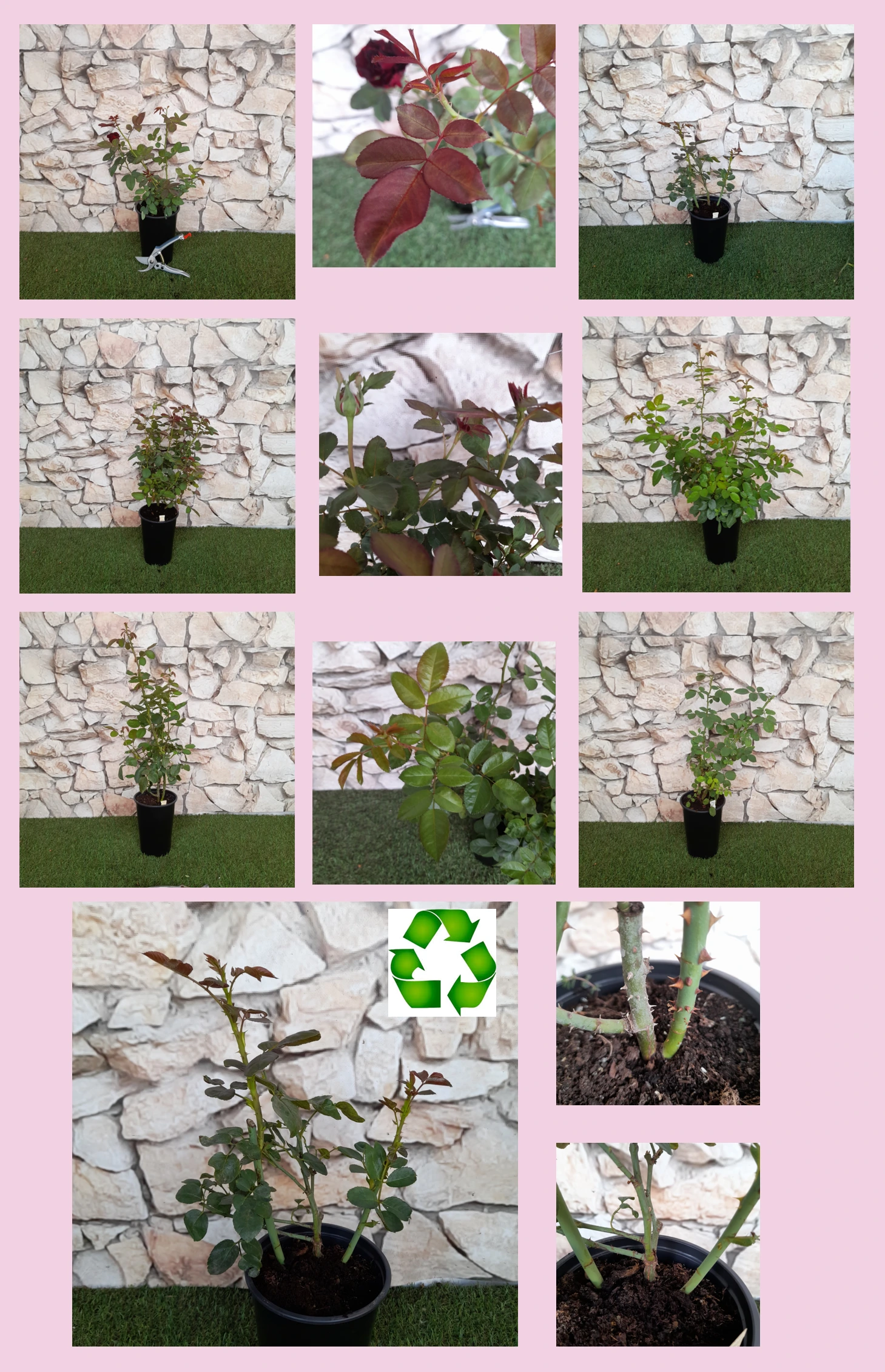
Own-root plant in 2-litre container; prefers well-drained but moisture-retentive soil, suitable for partial shade; plant 35–65 cm apart depending on hedging, mass planting or solitary use. |
BLUSH™ PIXIE® offers compact groundcover, gentle pastel colour and reliable repeat flowering on a durable own-root plant, making it a considerate long-term choice for relaxed, easy-care planting schemes.