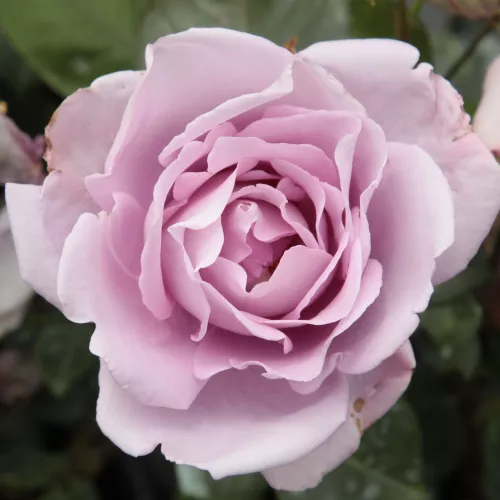
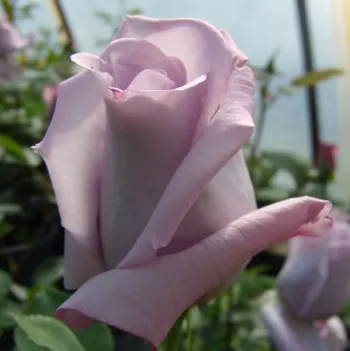
ROSA FOETIDA BICOLOR – orange landscape shrub rose
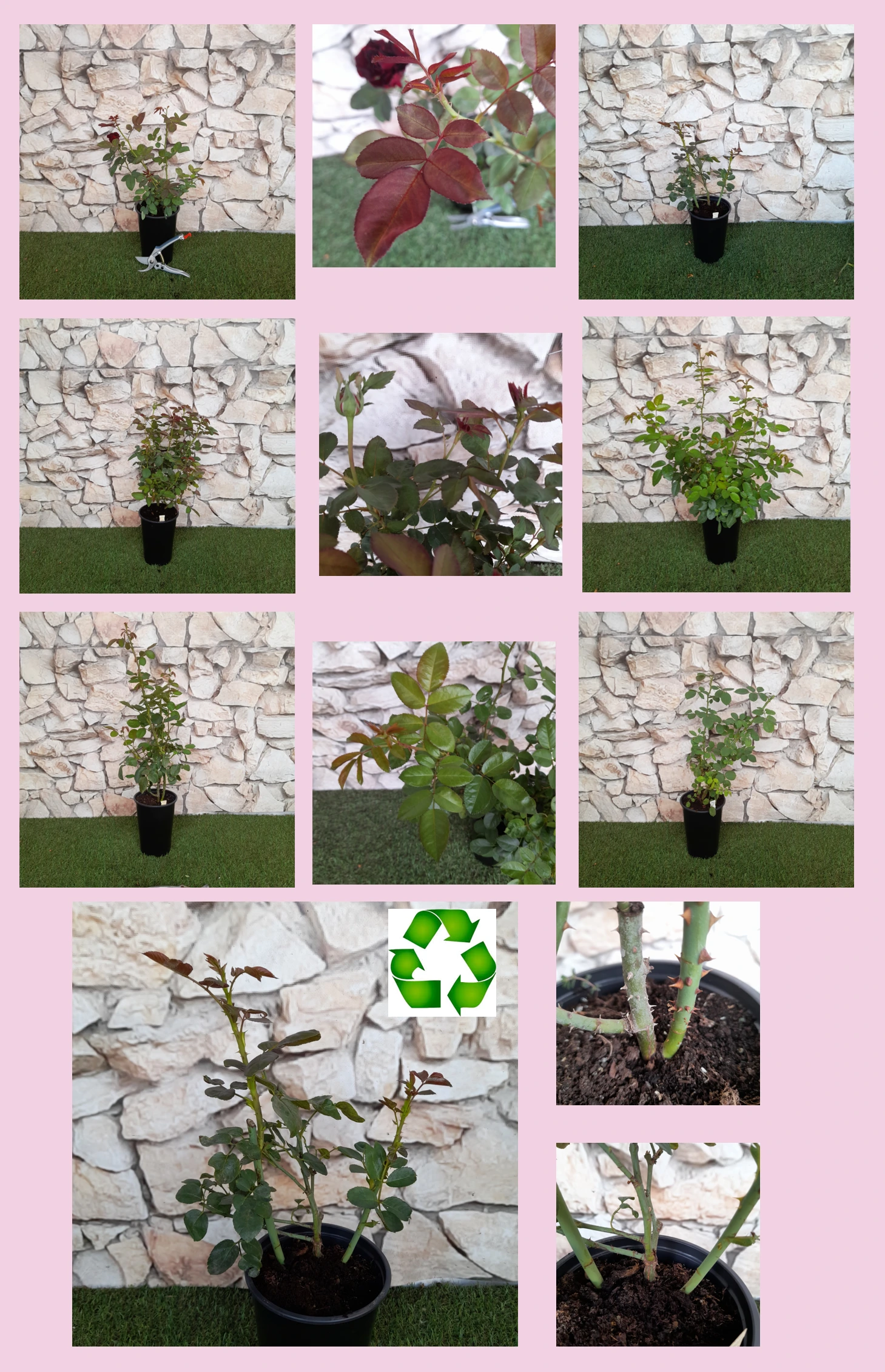
This historic botanical rose brings fiery colour and natural structure to family gardens with minimal fuss, suiting front beds, mixed borders and relaxed cottage plantings that cope well with blustery, wet British weather near the coast. Once established, its deep roots give long-lived resilience, pairing strong drought tolerance with reliable winter hardiness. The open, single blooms offer real wildlife value, drawing in bees and other pollinating insects, while bright autumn hips extend interest into the colder months. Own-root plants settle steadily, building a stable framework that recovers well from pruning and occasional neglect, helping the rose “grow into” its space over time. With thoughtful spacing and light annual care, you can expect roots to anchor in the first year, strong new shoots in the second, and full ornamental impact by the third, giving you a quietly confident, low-intervention choice for classic yet distinctive garden screens.
Usage options
| Target area |
Reasoning |
| Front-garden specimen shrub |
Used singly, its upright, bushy habit and intense bicolour flowers create an eye-catching focal point beside paths, bay windows or front doors. The once-a-year flush is dramatic yet self-cleaning, so spent petals fall away neatly without constant deadheading, giving a tidy look with minimal effort for the busy gardener. |
| Informal flowering hedge or screen |
Planted in a loose row at the recommended hedge spacing, its dense prickliness and vigorous growth form an effective living barrier, useful for defining boundaries and discouraging unwanted access. The combination of summer flower display and autumn hips gives seasonal structure with modest annual pruning for the family homeowner. |
| Mixed cottage-style border |
In cottage-style plantings, its fiery orange-red and yellow flowers blend beautifully with blues and purples from perennials such as calamints and phlox, providing a striking colour anchor. Good heat and drought tolerance help keep the display going through warm spells even in lighter soils for the style-conscious beginner. |
| Pollinator-friendly wildlife corner |
The single, open blooms offer easy access to pollen and nectar, and the vivid golden-yellow centre is highly attractive to bees and other beneficial insects. Autumn hips then provide food for birds and small mammals, supporting a small but lively wildlife zone for the nature-loving gardener. |
| Low-input landscape and mass planting |
In larger beds or repeated groups, this landscape shrub rose delivers a bold, unified effect with relatively straightforward maintenance. Once established on its own roots, it copes well with poorer soils and reduced watering, suiting low-input schemes that still need strong seasonal colour for the practical planner. |
| Background planting against walls or fences |
Set against a plain fence or wall, the light to medium green foliage and bright flowers break up hard surfaces and frame the garden, especially in smaller plots. The plant’s upright habit and impenetrable prickles also enhance privacy and security with simple winter pruning for the urban homeowner. |
| Large decorative containers (40–50 litres and above) |
In a substantial container of at least 40–50 litres with good drainage, this shrub rose can be used to bring height and colour to patios or entrance areas. Its own-root nature allows it to adapt to the potting mix, giving a stable, long-lived feature if watering and feeding are kept regular for the patio gardener. |
| Bee and wildflower garden compositions |
Combined with nectar-rich perennials and grasses, the rose’s once-flowering but abundant bloom period provides a vital summer resource, while hips extend visual interest into autumn. Its tolerance of poorer soils and coastal wind suits more naturalistic, slightly wilder garden sections for the wildlife enthusiast. |
Styling ideas
- Cottage-Focus – pair with soft blues and mauves (calamint, phlox, nepeta) to offset the fiery orange-red flowers, creating a relaxed yet deliberate cottage border – ideal for lovers of classic British front gardens.
- Sun-Anchor – use three plants in a loose triangle in the sunniest corner to form a drought-tolerant, long-lived flowering pivot around which smaller perennials can weave – suited to time-poor homeowners.
- Wildlife-Drift – weave it into a drift of meadow-style perennials and ornamental grasses, letting its single blooms and hips feed pollinators and birds – perfect for gardeners prioritising biodiversity.
- Boundary-Guard – line a fence or side passage at hedge spacing to create a dense, thorny, seasonally colourful living barrier that softens hard boundaries – good for families seeking privacy and gentle security.
- Patio-Statement – set a single plant in a large, simple container by the front door or terrace, where its historic character, strong scent and vivid colour can be enjoyed up close – appealing to design-conscious beginners.
Technical cultivar profile
| Parameter |
Data |
| Name and registration |
Botanical shrub rose marketed as Rosa foetida bicolor, ARS exhibition name R. foetida bicolor; historic, unregistered sport of Rosa foetida used as a landscape shrub and heritage garden rose. |
| Origin and breeding |
Natural bud mutation of Rosa foetida, introduced before 1590; breeder and original distributor unknown, preserved mainly through botanical collections and heritage rose growers as a classic bicolour form. |
| Awards and recognition |
Recognised in American rose shows with Genesis and Dowager Rose Queen awards around 1999–2000, reflecting its value as a historic heritage rose in specialist exhibition and collectors’ circles. |
| Growth and structural characteristics |
Bushy, upright shrub with moderately dense, light to medium green foliage and dense prickling; forms a substantial, long-lived framework suitable for hedging, background planting and specimen use in larger spaces. |
| Flower morphology |
Single, cupped blooms with 5–12 petals, produced in clusters; large flower size for a botanical rose and not remontant, flowering once in early summer, with good natural self-cleaning as petals drop promptly. |
| Colour data and phenology |
Fiery orange-red upper petals with yellow undersides and a golden-yellow stamen ring; ARS code OR, RHS 30A outer and 32B inner; colour holds moderately well, softening towards red-orange before petals fall. |
| Fragrance and aroma |
Strong, clearly perceptible scent described as rich, sweet-spicy with a hint of liquorice or anise; enjoyable at close range in smaller gardens and particularly noticeable on warm, still days around flowering time. |
| Hip characteristics |
Develops small spherical orange-red hips, approximately 8–10 mm in diameter; hips are decorative into autumn and provide useful food for birds and small mammals, adding wildlife value after flowering ends. |
| Resistance and winter hardiness |
Very hardy shrub tolerating approximately -40 to -35 °C (RHS H6, Swedish Zone 6, USDA 3a); good heat and drought tolerance but only moderate disease resistance, needing airy sites and monitoring for black spot. |
| Horticultural recommendations |
Best in full sun with good air circulation; tolerates partial shade and poorer soils. Medium maintenance: monitor for fungal diseases, water more deeply in prolonged drought, and prune to maintain structure and flowering wood. |
ROSA FOETIDA BICOLOR offers fiery once-a-year colour, strong scent and wildlife-friendly hips as a hardy, own-root shrub that settles in for decades, making it a thoughtful choice for gardeners planning a distinctive long-term feature.