BLUE MONDAY® – lavender purple tea-hybrid rose - Tantau
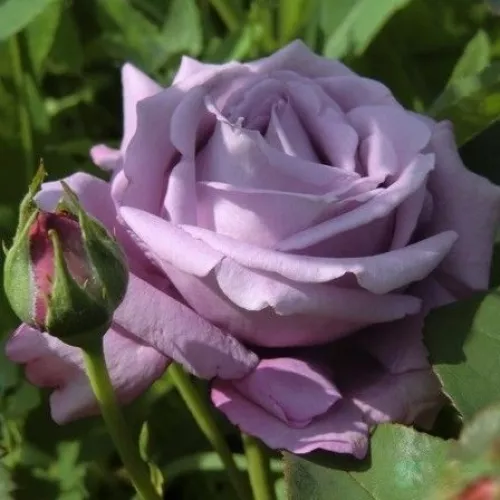
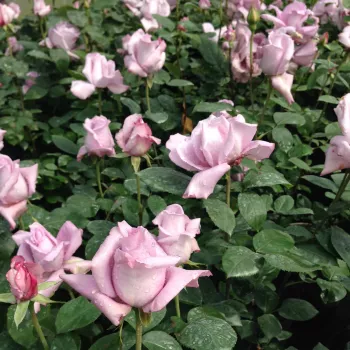
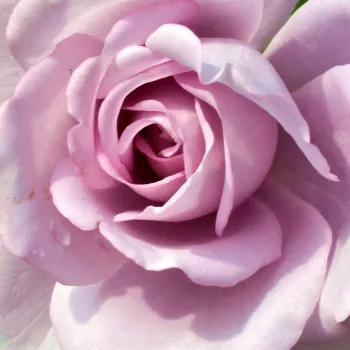
This refined hybrid tea brings a cool, lavender-purple colour palette and elegant, high-centred blooms to small British gardens, combining classic shape with modern reliability. Bred for strong health, it shows convincing resistance to common fungal problems, valuable where summers are humid and breezy and soils can be heavy yet free-draining. Its upright habit suits narrow beds, paths and front gardens, while the moderate height makes it easy to place among perennials. Repeating freely through the season, it offers reliable flowering for cutting and display, each stem carrying a well-scented bloom with a sweet, fruity fragrance. As an own-root plant it settles gradually into the soil, forming a stable framework for long life and steady regrowth. With simple care and light pruning, you can enjoy its subtle beauty developing from strong roots in the first year to fuller top growth in the second and a mature ornamental display by the third.
Usage options
| Target area | Reasoning |
|---|
| Front garden feature rose |
The upright, moderately tall bush creates a neat, vertical accent ideal for a front garden, offering eye-level blooms without overwhelming a small space. The high-centred flowers present well from the pavement side and pair naturally with cottage-style edging plants for beginners. |
| Cutting rose near the house |
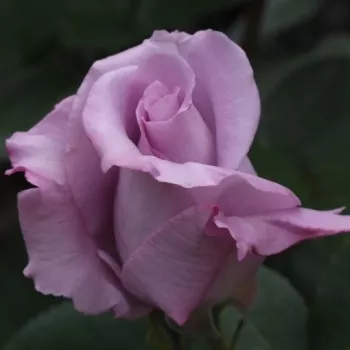
Solitary, high-centred blooms on straight stems make this cultivar particularly suited to cutting, providing classic hybrid tea form and a good vase life. Plant it near a path or back door for quick access to flowers you can bring indoors, with colour and scent on hand for homeowners. |
| Small mixed border accent |
The cool lavender-purple petals with a silvery sheen blend gracefully with soft blues, whites and grasses, adding a refined focal point among perennials. Its medium size helps structure a mixed border without dominating, ideal where you want a subtle yet distinctive highlight for stylists. |
| Low-maintenance rose bed |
Good resistance to black spot, mildew and rust reduces the need for spraying and intensive care, which suits busy householders and small family gardens. With basic watering and feeding it keeps performing reliably, allowing a tidy rose area without complex routines for time-pressed. |
| Feature rose in heavy or challenging soils |
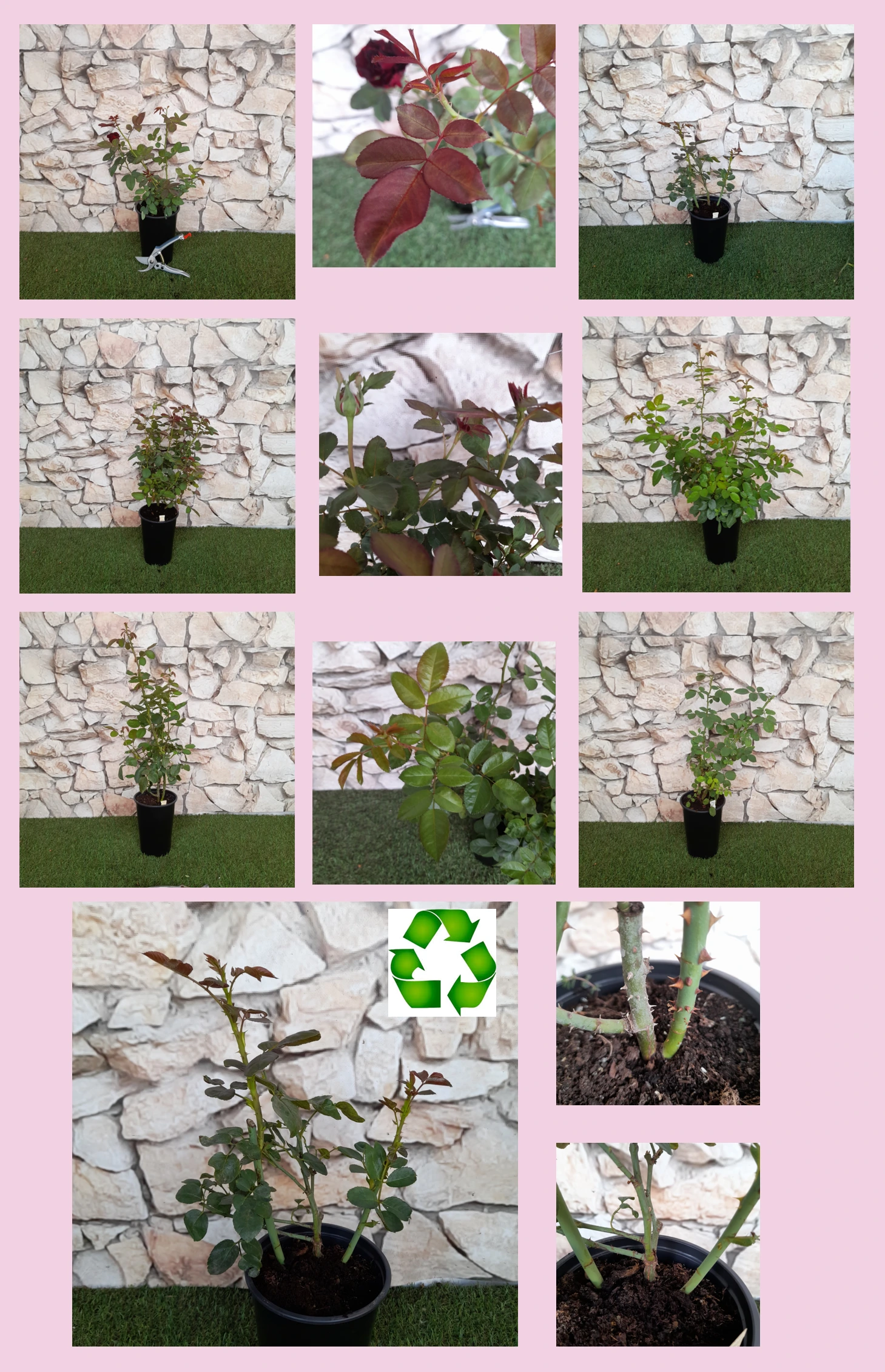
Delivered well rooted in a 2-litre pot, this own-root plant establishes steadily and anchors firmly when planted into improved heavy ground or raised beds, coping well where wind and wet spells alternate with drier periods in typical British conditions for urbanites. |
| Compact rose group of 3 plants |
Planted as a tight group, the upright habit and medium spread knit together into a coherent clump, producing an impressive mass of blooms in a small footprint. This works well in modest front gardens, giving a deliberate, designed look from just a few plants for planners. |
| Large container by entrance or terrace |
Its clear structure and moderate height make it practical in a large container of at least 40–50 litres, where regular watering and feeding can be easily managed. Placed by a door or seating area, the fragrant blooms can be enjoyed at close quarters by visitors. |
| Long-lived specimen for steady garden structure |
As an own-root rose it builds its framework gradually in its final position, supporting regeneration from the base and dependable flowering year after year with only straightforward pruning, which is reassuring for those investing in long-term structure for gardeners. |
Styling ideas
- Cool-border focus – Combine with silvery foliage and pale blue or white perennials to echo its lavender tones and create a calm, cohesive palette – ideal for colour-sensitive homeowners.
- Cottage trio – Plant three together with soft pink and white roses, backed by simple perennials, for a classic cottage feel that still remains manageable – suited to beginners wanting tradition.
- Elegant entrance – Grow one plant in a generous 40–50 litre pot flanking a doorway, underplanting with low grasses for a clean, architectural look – perfect for style-conscious urban residents.
- Cutting corner – Dedicate a sunny corner bed to this variety with easy filler flowers, giving a ready source of straight-stemmed blooms – good for those who like home-grown arrangements.
- Neat low hedge – Line a short path or drive with evenly spaced plants for a structured, repeat-flowering edge that needs only simple annual pruning – useful for families wanting order and colour.
Technical cultivar profile
| Parameter | Data |
|---|
| Name and registration |
Hybrid tea rose, registered as TANnacht, marketed as Blue Monday® hybrid tea rose TANnacht, also exhibited as Blue Moon in American Rose Society shows. |
| Origin and breeding |
Bred by Mathias Tantau Jr. in Germany from 'Sterling Silver' seedling × unknown seedling; introduced and registered in 1964, with NIRP International as initial distributor. |
| Awards and recognition |
Holds ADR recognition from 1964 and a National Rose Society Certificate of Merit the same year, confirming ornamental value and garden performance for enthusiasts and exhibitors. |
| Growth and structural characteristics |
Forms an upright, moderately dense bush 85–115 cm high and 75–105 cm wide, with glossy dark green foliage and moderate thorniness; spent blooms generally need deadheading by hand. |
| Flower morphology |
Produces medium-sized, double, high-centred blooms with 26–39 petals, typically borne singly on stems; strongly remontant, offering a generous second flush under normal garden care. |
| Colour data and phenology |
Displays lavender-purple tones with a cool, silvery sheen; colour lightens in strong sun but remains richer and longer-lasting in cooler weather, shifting gently from bud to full bloom. |
| Fragrance and aroma |
Well-scented hybrid tea rose with a medium-strength, sweet and fruity fragrance; best appreciated at close range near paths, terraces or as cut blooms brought indoors for enjoyment. |
| Hip characteristics |
Double flowers set hips only occasionally; when present they are small, spherical, 12–18 mm across and orange-red, adding a modest seasonal accent rather than a main display feature. |
| Resistance and winter hardiness |
Rated resistant to powdery mildew, black spot and rust; hardy approximately to −21 to −18 °C (H7, USDA 6b), with moderate drought tolerance if watered regularly in hot weather. |
| Horticultural recommendations |
Best in full sun with regular watering and feeding; plant 55–100 cm apart depending on use, at around 2.5–2.9 plants per m² for massing, and deadhead to prolong flowering. |
BLUE MONDAY® offers refined lavender blooms, reliable disease resistance and an elegant, long-lived own-root bush for gardens and containers, making it a thoughtful choice if you want lasting beauty with straightforward care.