BLACK VELVET™ – dark red hybrid tea rose – Morey
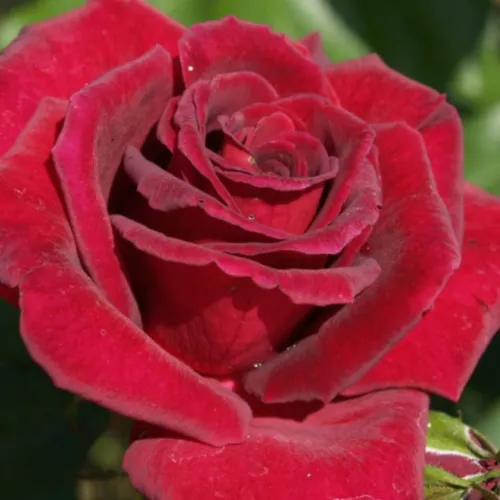
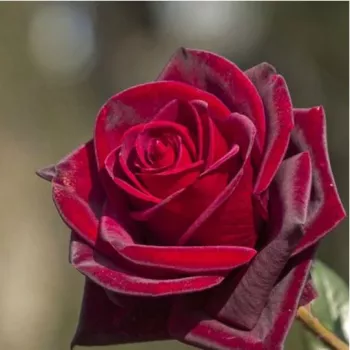
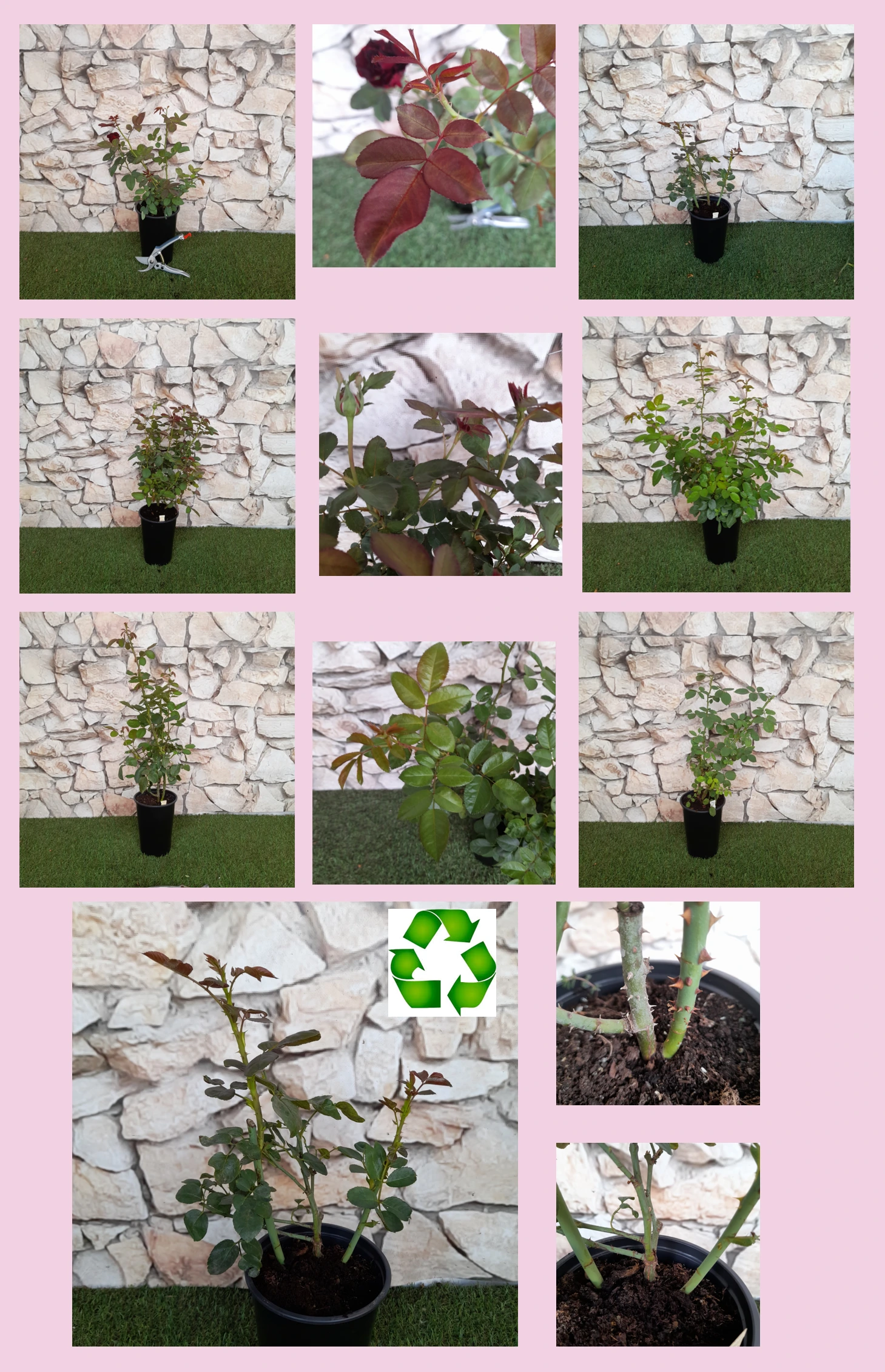
This classic hybrid tea offers velvety dark-red blooms on an upright, elegant bush that suits typical British front gardens and small borders where good air movement helps it cope with wetter, windier conditions near the coast. Large, goblet-shaped flowers appear singly on long stems, making it equally appealing in the border or as a cut flower for the house. Its strong, spicy-sweet fragrance and rich colour bring a traditional, romantic feel to cottage-style planting, while the medium maintenance level remains manageable for hobby gardeners prepared for light seasonal care. As an own-root plant it builds a stable, long-lived framework, replacing tired stems over time and helping the bush recover well after pruning or tougher winters. In its first year it concentrates on root development, followed by stronger top growth in year two and fuller ornamental value from year three as it forms a bushy, balanced shape. Remontant flowering gives a reliable second flush, and the moderately dense, dark green foliage provides a smart backdrop for the blooms in family gardens aiming for a tidy but characterful look.
Usage options
| Target area |
Reasoning |
| Front garden specimen by the path |
The upright, bushy habit and large, goblet flowers give a strong focal point beside a front path or doorway, where individual blooms can be appreciated at eye level and cut easily for the house; best for gardeners who enjoy a traditional look and occasional deadheading for beginners. |
| Small rose bed in a family garden |
Planted 3–5 together at recommended spacing, it forms a coherent, medium-height group with uniform growth, ideal for simple rectangular beds where you want structure and repeat flowering without complex design; suited to those wanting a tidy border that still feels luxurious for homeowners. |
| Cottage-style mixed border |
The deep burgundy-red blooms and dark foliage weave well among herbaceous perennials and lighter shrubs, adding depth and contrast without overwhelming smaller spaces; perfect for relaxed cottage schemes where one reliable, strongly coloured rose anchors the planting for stylists. |
| Cutting patch or cut-flower corner |
Solitary, long-stemmed hybrid tea blooms with good size and exhibition-style form make it excellent for cutting, so a simple 3–5 plant block can supply richly scented flowers throughout the season; ideal for those who like to bring garden roses indoors for urbanites. |
| Feature plant in a narrow border |
Its upright habit and 130–170 cm height let it sit comfortably in shallow beds along fences or house walls, providing vertical interest without sprawling; own-root growth gradually fills the allotted space and keeps the outline steady over many seasons for planners. |
| Small group planting in clay or chalk soils |
Once established as an own-root plant, it develops a resilient root system that copes well with typical British heavy or shallower soils, provided drainage and watering are managed sensibly; this supports long-term performance in ordinary family plots for pragmatists. |
| Rose border with flexible pruning style |
The plant’s own-root framework responds well both to moderate annual pruning for height control and to more renovation-style cuts if needed, without losing its basic shape; helpful for gardeners whose available time or technique may vary from year to year for improvers. |
| Large container on patio or terrace |
In a 40–50 litre or larger container with good compost and regular watering, its bushy, upright habit and repeat flowering provide a long-season display close to seating areas, while the own-root nature supports gradual rejuvenation and reduced replanting needs for balconists. |
Styling ideas
- Doorway drama – Position one plant near a front door with low lavender or nepeta edging to frame its dark, velvety blooms – ideal for homeowners wanting an elegant welcome.
- Cottage contrast – Pair with pale pink or cream roses and airy perennials like gaura to emphasise the rich flower colour in a relaxed border – suited to cottage-garden enthusiasts.
- Evening scent – Plant close to a seating area with white campanulas and silver foliage plants so the strong fragrance and dark blooms stand out at dusk – perfect for after-work relaxers.
- Cutting corner – Dedicate a small square bed to 3–5 plants with simple edging, planned purely for regular cutting of long-stemmed blooms – appealing to flower-arranging hobbyists.
- Patio statement – Grow a single plant in a generously sized terracotta pot, underplanted with trailing thyme or bacopa to soften the rim – great for balcony and terrace gardeners.
Technical cultivar profile
| Parameter |
Data |
| Name and registration |
Hybrid tea rose with the registered cultivar name Black Velvet, marketed as BLACK VELVET™ – dark red hybrid tea rose – Morey; exhibition category: exhibition tea hybrid and cut flower type. |
| Origin and breeding |
Bred in the United Kingdom by Dr Dennison Harlow Morey from ‘New Yorker’ × ‘Happiness’; introduced in 1960 by Jackson & Perkins Co. (USA) as an unregistered, classic hybrid tea variety. |
| Growth and structural characteristics |
Vigorous, upright, bushy shrub reaching about 130–170 cm high and 70–90 cm wide, with moderately dense, slightly glossy dark green foliage and a moderately thorny framework suitable for borders. |
| Flower morphology |
Large, double flowers with 26–39 petals, borne mainly singly on stems; classic cup to goblet hybrid tea form, remontant with a generous second flush, suitable for cutting and exhibition use. |
| Colour data and phenology |
Deep, velvety dark burgundy-red blooms, almost black in bud; colour deepens to cherry-maroon before fading moderately in strong sun, with cooler conditions preserving the richest tones best. |
| Fragrance and aroma |
Strong, distinctive, spicy-sweet rose fragrance, noticeable in the garden and indoors as a cut flower; primarily ornamental, with very double blooms that limit pollen and nectar access for insects. |
| Hip characteristics |
Hip set is usually sparse due to very double flowers, but occasional small ovoid hips 10–14 mm wide may form, colouring to orange-red and adding minor seasonal interest late in the year. |
| Resistance and winter hardiness |
Classed as H7, hardy to about −21 to −18 °C and USDA zone 6b; disease resistance medium to black spot, mildew and rust, needing periodic monitoring and treatment in humid seasons. |
| Horticultural recommendations |
Prefers an open, sunny site with well-prepared soil; average heat tolerance but dislikes prolonged drought, so benefits from regular watering, mulching and occasional pest and disease checks. |
BLACK VELVET™ offers velvety dark-red, fragrant blooms on a long-lived, own-root bush that settles reliably into ordinary family gardens and containers, a thoughtful choice if you prefer one classic rose to reward steady, simple care over many years.