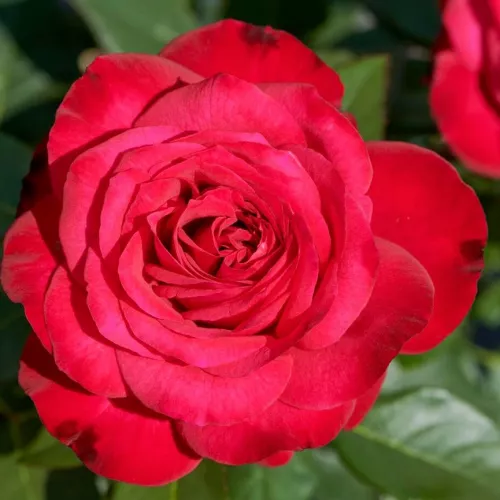
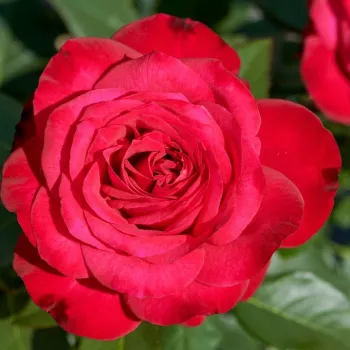
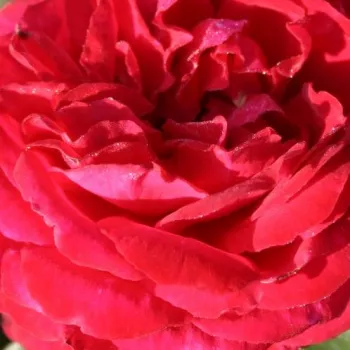
Birthe Kjaer Renaissance® – red nostalgic shrub rose
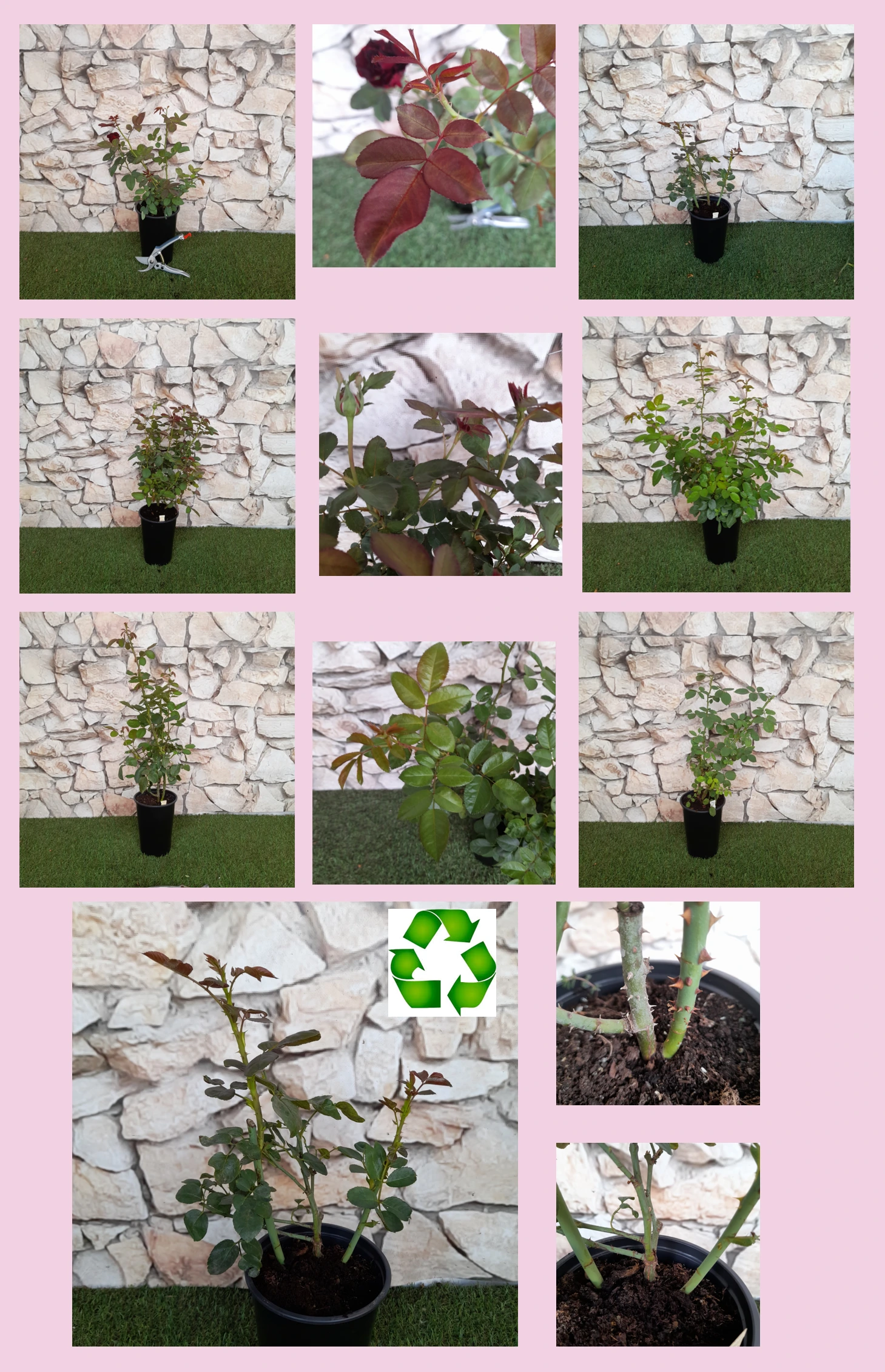
Romantic clusters of velvety red blooms give this bushy shrub a quietly elegant presence in classic British front gardens, while its good self-cleaning habit helps beds stay neat with minimal deadheading. Medium-maintenance yet forgiving, it repeats flowering generously in warm weather and copes reliably with cool, wet spells and brisk coastal winds when the soil is well prepared. Dense, glossy foliage and an upright, compact habit make it easy to place along paths, in small borders or as a low hedge. Strong, long-lasting fragrance and sturdy stems mean you can cut nostalgic rosette blooms for the house without spoiling the display outside, while the own-root form promises many years of steady longevity in the family garden as it moves from settling roots to building shoots and finally to full, mature beauty.
Usage options
| Target area | Reasoning |
|---|
| Front garden focal shrub |
The bushy, upright structure and dense mid-green foliage form a tidy, eye-catching shrub that fits naturally by a path, gate or bay window, giving a composed look without complex clipping – reassuring for the beginner gardener |
| Classic cottage-style border |
Clusters of rosette blooms in a rich, stable red sit beautifully among perennials and grasses, providing romantic colour that holds well through showers and cooler spells – ideal for the cottage-garden lover |
| Low flowering hedge or boundary |
Regular spacing along a front boundary creates a low hedge with repeating red flushes and glossy foliage; moderate maintenance keeps it trim yet not fussy, suiting the busy homeowner |
| Small bed or mixed rose group |
Its compact spread and repeat flowering allow you to plant 3–5 together for a full, nostalgic effect that develops steadily year by year, building confidence for the urban garden owner |
| Cutting corner for scented blooms |
Long-lasting, strongly scented double flowers on firm stems are excellent for vases, and the shrub keeps producing new clusters after cutting, making it rewarding for the home flower arranger |
| Part-shade side garden |
Suitable for partial shade, it performs reliably on those around-the-house strips that get only a few hours of sun, supporting a neat, flowering look for the space-conscious gardener |
| Feature shrub in heavy soil with improved drainage |
In British clay or chalk gardens, it responds well when planted in a well-prepared, free-draining spot, standing firm against wind and weather and suiting the practical garden planner |
| Large container on patio or terrace |
Its upright habit and moderate height suit a 40–50 litre or larger pot, where own-root stability and repeat clusters of red flowers provide reliable structure and colour for the patio rose enthusiast |
Styling ideas
- Cottage Border Pairing – combine with cheddar pink and other low perennials to frame its bushy habit and velvety red blooms – ideal for lovers of informal, romantic front gardens
- Formal Pathway Rhythm – plant at regular intervals along a path, underplanted with low lavender or catmint, to create a structured yet soft scented walk – suited to homeowners seeking tidy elegance
- Colour-Anchor Grouping – use a trio in a small bed as a red focal block, backed by evergreen shrubs such as compact cherry laurel – perfect for those wanting dependable structure with seasonal flair
- Patio Feature Container – grow in a 40–50 litre terracotta or stone-effect pot, combining with trailing thyme or ivy for a classic terrace statement – for balcony and courtyard gardeners
- Mixed Hedge Accent – weave individual plants into a low mixed hedge of flowering shrubs to punctuate greens with nostalgic red clusters – for designers of relaxed yet orderly boundaries
Technical cultivar profile
| Parameter | Data |
|---|
| Name and registration |
Shrub rose from the Renaissance® collection, registered as POUlren033; marketed as Birthe Kjaer Renaissance® POUlren033, a romantic nostalgia rose for garden and landscape use. |
| Origin and breeding |
Bred by Mogens Nyegaard Olesen (Poulsen Roser A/S, Denmark) from unnamed seedlings; bred in 2019, registered in 2020 (EU CPVO) and 2022 (US PP), introduced after 2020. |
| Awards and recognition |
Bronze Medal at the Japan Rose Concours in Tokyo in 2021, indicating strong ornamental value and reliable garden performance under international trial conditions. |
| Growth and structural characteristics |
Bushy, upright shrub reaching about 100–140 cm high and 70–110 cm wide; dense, glossy mid-green foliage with moderate prickles; good self-cleaning of spent blooms. |
| Flower morphology |
Large, double, rosette-shaped blooms with 26–39 petals, typically borne in clusters of 3–5 per stem; remontant habit with an abundant second flush in suitable conditions. |
| Colour data and phenology |
Uniform, rich mid-red (RHS 46A–46B) with velvety petals; colour holds well, paling slightly to raspberry red toward fall, retaining clarity from bud to fade. |
| Fragrance and aroma |
Strongly scented garden rose with long-lasting perfume; detailed scent notes are not recorded, but fragrance is clearly perceptible both outdoors and in cut arrangements. |
| Hip characteristics |
Due to the full double form, hips are sparse; occasional small, globose, red hips 8–12 mm in diameter may develop, adding discreet seasonal interest in late season. |
| Resistance and winter hardiness |
Hardy to about –21 to –18 °C (RHS H7, USDA 6b, Swedish zone 3); moderate resistance to powdery mildew, black spot and rust; heat tolerant to around AHS zone 7. |
| Horticultural recommendations |
Best at 55–65 cm spacing, or 100 cm as a specimen; suitable for beds, hedging, parks and cutting; medium maintenance with occasional pest and disease checks advised. |
Birthe Kjaer Renaissance® offers richly coloured repeat blooms, strong fragrance and a compact shrub habit, while the own-root form supports long-term reliability in your garden; a considered choice for enduring, easy-going beauty.