KERBEROS – white-pink dwarf-mini rose - pharmaROSA®
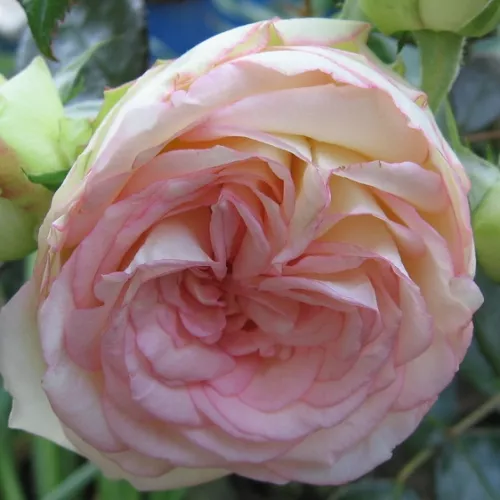
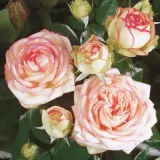
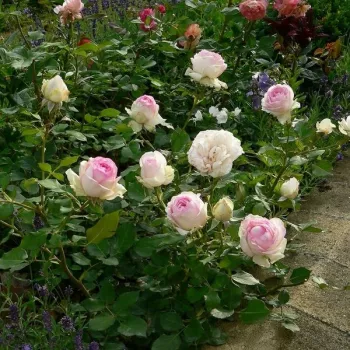
Cottage charm in miniature, KERBEROS is a compact, dwarf bush that fits effortlessly into small British front gardens and patio spaces, bringing repeat flowering clusters of cream-and-pink pompon blooms with a surprisingly strong wine-like fragrance. Its neat 30–40 cm habit is ideal where you want reliable structure without constant pruning, and as an own-root plant it builds a long-lived, balanced bush that recovers well from weather or pruning. Expect roots to establish in the first year, more vigorous top growth in the second, and full ornamental value by the third, with performance that remains steady even in breezy, rain-prone gardens near the coast and other exposed sites. Thoughtful spacing allows it to work in borders, edging, or larger containers, with medium maintenance needs that suit busy gardeners.
Usage options
| Target area |
Reasoning |
| Front garden edging |
The low, 30–40 cm habit forms an even line of colour along paths, drives or front-garden borders without blocking windows or views. Regular repeat flushes keep the edging attractive through the season with only basic deadheading and occasional feeding, matching the needs of time-pressed beginners. |
| Small flower beds in family gardens |
Planted in groups of 3–5 at the recommended spacing, KERBEROS quickly knits into a dense, tidy mound, giving dependable shape in modest-sized beds. Own-root growth helps maintain a stable outline year after year, ideal when you want long-term structure with minimal redesign, perfect for practical homeowners. |
| Patio pots and terraces (40–50 litre minimum) |
The naturally compact root system adapts well to larger containers of 40–50 litres or more, where it holds its shape and flowers freely. In pots it is easy to water, feed and observe, making rose care more manageable for those without borders, particularly suited to urban gardeners. |
| Cottage-style mixed borders |
The cream, peach and pink tones blend beautifully with perennials such as Iberis, alyssum or low grasses, giving a gentle cottage feel without overwhelming taller plants. Its modest height provides a soft front layer that remains neat even when perennials behind it grow exuberantly, reassuring style-conscious novices. |
| Near seating areas and entrances |
The strong, wine-like scent and clustered pompon blooms show best where you pass closely, such as by a bench or front step. The dwarf height keeps the view open while still giving an intimate, high-impact display at nose level, ideal for those who value fragrance on everyday routes, appealing to scented-rose lovers. |
| Low, informal mini-hedges |
Planted at around 25 cm for hedging, KERBEROS forms a low, softly rounded line that marks boundaries or frames paths without harsh clipping. The own-root base allows for rejuvenation pruning when needed, regrowing into a full line over time, a practical solution for relaxed, family-oriented gardeners. |
| Weather-exposed or breezy gardens |
The short, sturdy growth is naturally less prone to wind damage than taller roses, helping it stand firm in open or coastal gardens where taller varieties might rock or lean in strong gusts; this anchored habit suits those in exposed locations, especially cautious first-time planters. |
| Low-maintenance rose compositions |
With moderate disease resistance and needs, KERBEROS suits simple care routines: regular watering in dry spells, some feeding, and occasional health checks. Its reliable remontant flowering repays this modest input with long-lasting colour, an encouraging pattern for busy but design-minded owners. |
Styling ideas
- Front-border ribbon – Plant a single curving line along the front of a bed, pairing with evergreen candytuft for year-round structure and scented summer colour – ideal for classic front-garden owners.
- Patio focal pot – Use one plant in a 50-litre terracotta container, underplant with trailing alyssum for a soft white skirt that highlights the cream-pink blooms – perfect for balcony and terrace gardeners.
- Mini cottage cluster – Group three plants in a triangle with low blue catmint and soft grasses behind for an airy, informal cottage look – suited to relaxed, romantic-planting enthusiasts.
- Pathway edging – Repeat plants at 30 cm intervals down each side of a path, interspersed with small lavender mounds to combine fragrance and neat structure – great for families wanting easy, tidy access routes.
- Mixed pot duo – In a large half-barrel, combine KERBEROS with compact New Zealand flax ‘Tom Thumb’ for contrast between fine rose blooms and bold foliage – appealing to contemporary small-garden designers.
Technical cultivar profile
| Parameter |
Data |
| Name and registration |
Kerberos Mini - dwarf rose pharmaROSA®; miniature, dwarf garden rose marketed as KERBEROS – white-pink dwarf-mini rose, own-root, container-grown in the pharmaROSA® ORIGINAL 2-litre range. |
| Origin and breeding |
Discovered in Germany in 2002 and introduced by PharmaRosa® Ltd. Parentage and breeder records are not fully documented; selected for compact growth and decorative pompon flowers. |
| Growth and structural characteristics |
Dwarf, bushy habit reaching about 30–40 cm in height and 25–35 cm spread, with dense mid-green, slightly glossy foliage and moderate prickliness; forms a compact, rounded mini-bush. |
| Flower morphology |
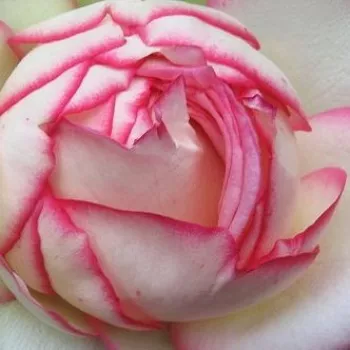
Very double, spherical pompon flowers, 2.75–3.95 inches across, usually in clusters of three to five per stem; more than 40 petals create a plush, formal rosette effect on a miniature scale. |
| Colour data and phenology |
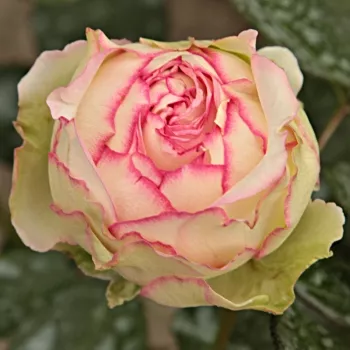
Cream to ivory petals with a pink-edged rim and subtle peach tones; ARS code DR, RHS 187A–187B. Colour softens to salmon-rosy edging and buttery cream base yet remains recognisably bicoloured in bloom. |
| Fragrance and aroma |
Strong, full fragrance with a wine-like character that is notable for a miniature rose. Best appreciated at close range along paths, near entrances, or in containers on patios and terraces. |
| Hip characteristics |
Occasionally produces small, spherical orange-red hips approximately 5–7 mm in diameter, which add a light decorative touch in late season but are not a primary ornamental feature. |
| Resistance and winter hardiness |
Hardy to approximately −21 to −18 °C (USDA 6b, RHS H7, Swedish zone 3). Disease resistance is moderate to common rose diseases, with routine monitoring and timely basic treatments recommended. |
| Horticultural recommendations |
Best in sunny positions with well-drained soil; suitable for beds, edging, low hedges and containers. Plant at 25–45 cm spacing depending on use, with moderate maintenance and regular watering in dry spells. |
KERBEROS – white-pink dwarf-mini rose - pharmaROSA® offers compact habit, repeat flowering and strong fragrance on a long-lived own-root plant, making it a thoughtful choice if you want dependable colour in a smaller space.