BEST DAD™ – red hybrid tea rose – RAW1064
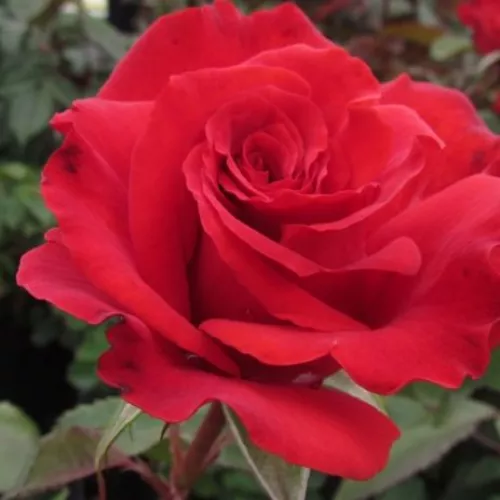
This British-bred hybrid tea brings together classic elegance, reliable colour and family-friendly impact in an easy-to-manage, own-root 2-litre rose that settles quickly in typical UK gardens, even where you need to cope with heavier soils and improved drainage. Its upright habit, dense foliage and large, high-centred blooms in a pure, vivid red make it a natural choice for front gardens, feature beds and cutting for the house. You can expect a natural development rhythm – roots in the first year, stronger shoots in the second, and full ornamental value from around the third season – giving you a long-lived, stable plant that becomes part of the garden with minimal intervention and suits busy, style-conscious beginners.
Usage options
| Target area |
Reasoning |
| Front garden focal point |
The upright structure and vivid, non-fading red blooms give strong kerbside presence without needing a large bed, ideal by paths, bay windows or gate entrances. Its own-root form matures into a stable, long-lived bush with simple annual pruning, well suited to homeowners. |
| Small mixed borders |
Dense foliage and medium height let it sit comfortably among perennials and low shrubs, filling gaps without overpowering the space. Excellent colour retention means flowers stay bright between maintenance rounds, supporting a tidy look for busy-gardeners. |
| Cottage-style plantings |
Classic high-centred blooms pair beautifully with airy perennials and traditional cottage choices, creating a refined counterpoint to softer textures. Repeat flowering provides an ongoing supply of buds and blooms through summer for cottage-lovers. |
| Cutting and vase use |
The long, straight stems and exhibition-style blooms are specifically suited to cutting for the house, while the discreet fragrance and excellent colour fastness keep arrangements looking fresh. Regular picking also encourages new buds, rewarding enthusiastic cut-flower-users. |
| Feature rose in small beds |
Planted as a single specimen or in a tight group of three, its balanced height and spread create a clear focal point without complex design work. Medium maintenance needs mainly involve seasonal feeding and light pruning, manageable for beginners. |
| Containers and large pots |
Its upright, compact footprint adapts well to planters of 40–50 litres or more, where root space and moisture are easier to manage. Own-root plants recover better from occasional drying or re-potting, making this a forgiving choice for balcony-owners. |
| Family gardens with active use |
Moderately thorny but not excessively armed, it sits well near lawns or seating areas where children play, provided basic spacing is observed. The sturdy framework and good hardiness suit exposed plots that need roses to withstand typical British weather for families. |
| Small rose groupings (1–5 plants) |
At 50–70 cm spread, planting a loose group creates a strong block of bright red without overcrowding, ideal for simple, low-effort layouts. In heavier soils you only need modest soil improvement and attention to drainage to maintain a healthy stand, reassuring for new-gardeners. |
Styling ideas
- Classic-front-border – Line a short path with two or three plants and edge with dwarf silver artemisia for a smart red-and-silver entrance – ideal for neat, traditional front gardens.
- Cottage-duet – Combine with low, dusky-leaved heucheras and soft pink perennials for a romantic, layered cottage look – perfect for those who love gentle colour contrasts.
- Statement-container – Plant a single bush in a 50–60 litre terracotta pot with trailing thyme around the rim – suited to small patios where one strong feature is needed.
- Family-centrepiece – Use three plants in a triangle in the lawn or near a seating area to create a simple, high-impact summer focus – good for family gardens wanting structure without fuss.
- Red-hedge-ribbon – Space plants at 45–50 cm to form a low, glowing red ribbon along a drive or boundary – appealing to those seeking a formal yet easy-care outline.
Technical cultivar profile
| Parameter |
Data |
| Name and registration |
Hybrid tea rose; registered as RAW1064, marketed as BEST DAD™ – red hybrid tea rose – Rawlins; consumer garden form offered as a 2-litre own-root potted rose. |
| Origin and breeding |
Bred in the United Kingdom by Ronnie Rawlins, introduced in 2016 via Style Roses; exact parentage and registration year not recorded in available cultivar lists. |
| Growth and structural characteristics |
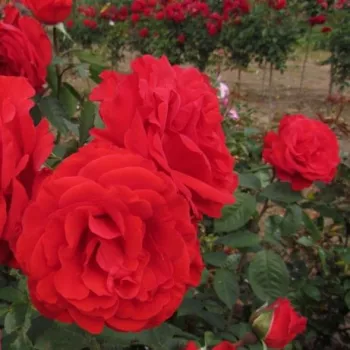
Upright, bushy hybrid tea reaching about 85–115 cm tall and 50–70 cm wide, moderately thorny with dense, slightly glossy foliage turning from dark red when young to mature olive green. |
| Flower morphology |
Large, double, high-centred hybrid tea blooms, typically solitary on stems; 26–39 petals with classic pointed buds, good repeat flowering and an abundant second flush in suitable garden conditions. |
| Colour data and phenology |
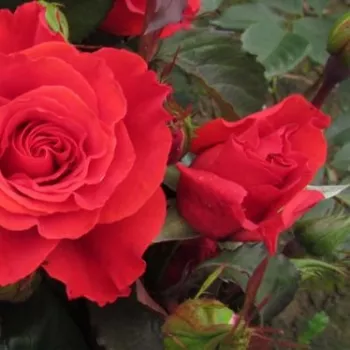
Pure, vivid red flowers with glossy, unshaded petals; colour classified as ARS MR, RHS 53A outer and 53B inner; excellent colour retention with only slight matting at petal edges as blooms age. |
| Fragrance and aroma |
Fragrance is very weak, only noticeable at close range, with a discreet, delicately rosy scent; grown primarily for visual effect and cutting quality rather than strong perfume in the garden. |
| Hip characteristics |
Hip set is generally low due to full, double blooms; where formed, hips are ovoid, orange-red, around 12–18 mm in diameter, contributing a modest late-season ornamental accent. |
| Resistance and winter hardiness |
Rated to approximately −21 to −18 °C (RHS H7, USDA zone 6b, Swedish zone 3); disease tolerance is medium, with average susceptibility to blackspot, powdery mildew and rust under typical UK pressures. |
| Horticultural recommendations |
Best in full sun with fertile, well-drained soil; medium maintenance with routine feeding and occasional plant protection; suitable for beds, specimens, hedging, cutting and large containers at recommended spacings. |
BEST DAD™ offers bright, long-lasting red blooms, reliable repeat flowering and an upright habit on a durable own-root plant, making it a thoughtful, low-fuss choice for gardeners who want dependable colour year after year.