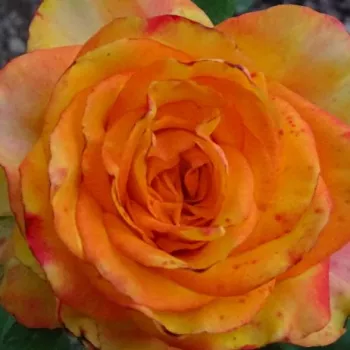
Bargira® Le Toscane BARgira – yellow-pink hybrid tea rose
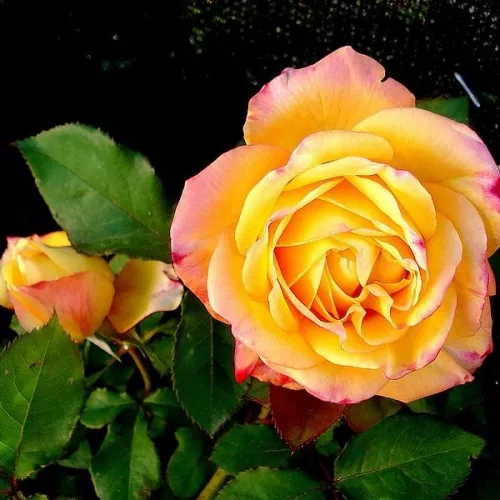
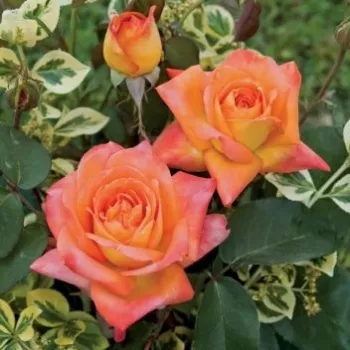
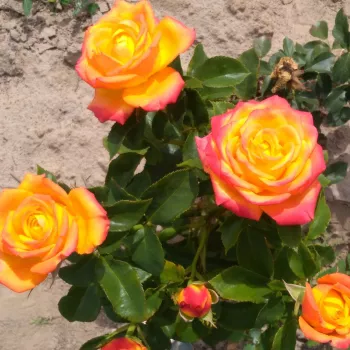
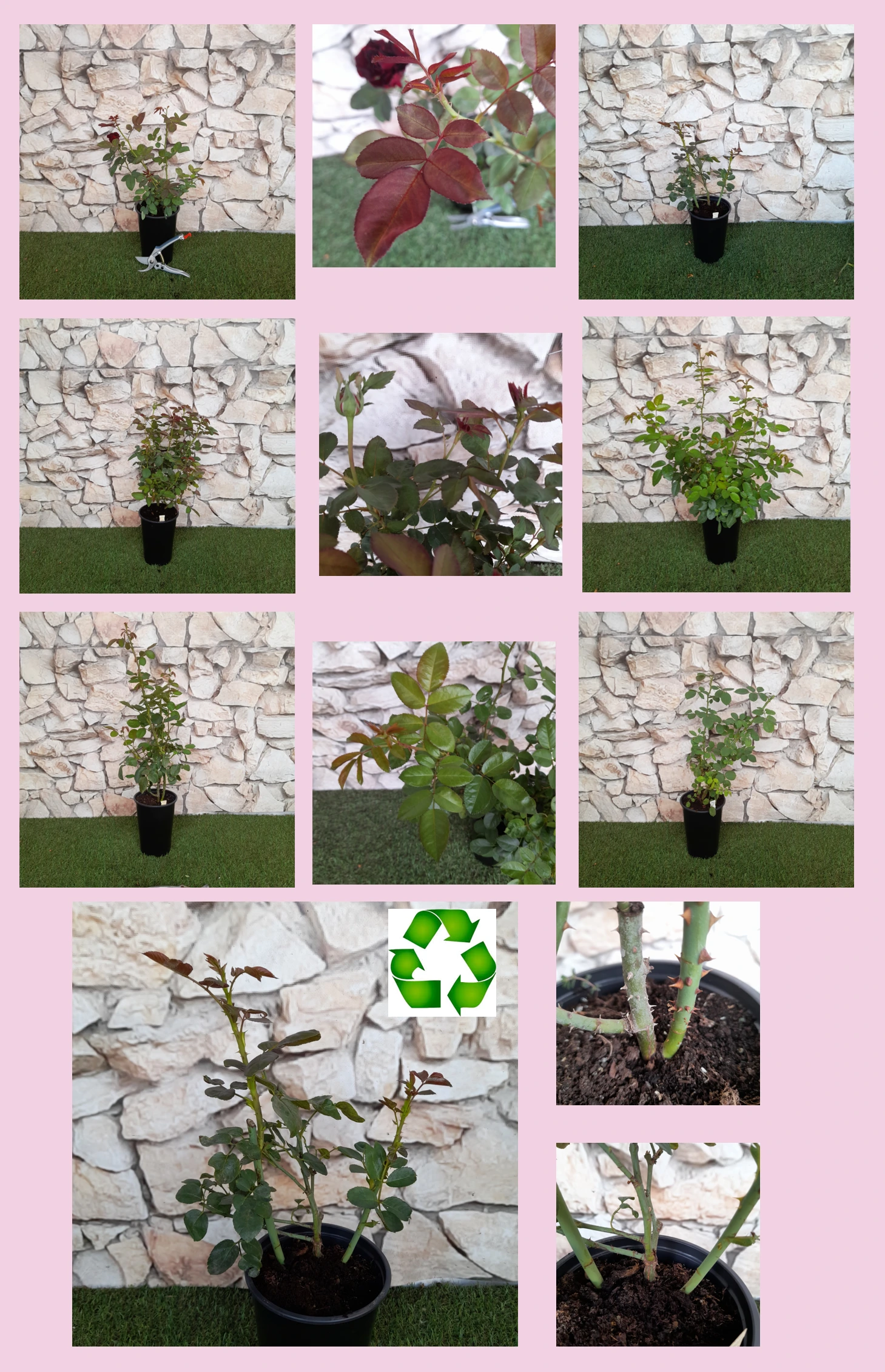
This Italian-bred hybrid tea offers a vibrant swirl of golden yellow, cream and pink that truly lives up to its firework-inspired name. Its high-centred blooms are classic exhibition style, ideal where you would like reliably straight stems for cutting as well as a focal point in the border. The plant forms an upright bush with glossy dark green foliage and is pleasantly barely thorny, making day-to-day handling and deadheading more comfortable. In a sunny, well-prepared spot with sensible drainage and regular plant protection, you can enjoy a strong first flush followed by an abundant second flowering. Over time the own-root shrub matures steadily – establishing roots in year one, building framework in year two, and delivering full ornamental impact by year three.
Usage options
| Target area | Reasoning |
|---|
| Front-of-house feature rose |
The striking yellow-and-pink colour play draws the eye from the pavement, giving a smart, intentional look to a front garden or alongside a path. The upright habit stays tidy where space is limited, suiting modest family plots and neat presentation for beginners. |
| Cutting patch or cutting row |
Long, straight stems and high-centred blooms make this rose well suited to home cutting, allowing you to bring exhibition-style flowers indoors. Barely any thorns mean easier, safer picking for the household, appealing to those who enjoy arranging flowers at home, especially busy. |
| Small specimen in a mixed border |
Planted singly at 90 cm spacing, it stands out as a vertical accent among perennials and grasses. The dense, glossy foliage provides structure even between flushes, supporting a composed, classic look in a small, low-maintenance mixed border for style-conscious owners. |
| Formal edging or short rose hedge |
At 50–70 cm spread, repeated plants create a low, colourful line along drives or paths. Consistent height and flower form give a formal rhythm that pairs well with clipped evergreens, ideal for gardeners who like clear structure but prefer simple, repeatable planting for families. |
| Patio container or large terrace pot |
Cultivation in a 40–50 litre container lets you enjoy the colour close to seating areas while controlling soil and drainage more precisely. This is especially helpful in smaller urban gardens where beds are limited, and suits balcony or patio gardeners seeking reliable colour, including newcomers. |
| Sunny, well-drained show bed |
In a dedicated rose bed with good air flow and regular care, the remontant habit with an abundant second flush provides months of display. Such a space also allows easier access for the plant protection this variety prefers, rewarding methodical, hands-on enthusiasts. |
| Colour-themed yellow and pink planting |
The controlled fading from golden yellow to cream with a pink edge makes colour pairing straightforward, working beautifully with soft blues, whites and complementary pinks. This supports cohesive front-garden or cottage-style schemes created by visually focused, design-led gardeners. |
| Sheltered urban or suburban garden |
In a protected, well-tended family garden, the moderate hardiness and disease susceptibility are easier to manage, while good drainage and regular watering support strong growth even in humid British summers, helping committed owners create a reliable display for dedicated collectors. |
Styling ideas
- Cottage-Rimmed Path – line a short path with evenly spaced Bargira® and weave in low blue Nepeta or soft pink hardy geraniums for a gentle cottage feel – ideal for romantic, colour-loving homeowners.
- Patio Showpiece Pot – plant one rose in a 40–50 litre terracotta container with trailing thyme and white lobelia at the rim to emphasise the bicolour blooms – suited to small patios and balcony-based urban gardeners.
- Formal Driveway Edge – repeat plants at 50–60 cm along a drive, backed by clipped box or yew, for a smart, intentional welcome – perfect for those who enjoy structured, low hedge-style plantings.
- Cutting-Garden Row – grow a short row with easy companion fillers such as white Physostegia and Hypericum ‘Miracle’ so you have ready-made partners for vases – appealing to home florists and keen arrangers.
- Sunny Mixed Border Focus – place a single specimen mid-border among airy grasses and Agapanthus to frame its upright, glossy form – a good choice for design-conscious beginners building a first mixed bed.
Technical cultivar profile
| Parameter | Data |
|---|
| Name and registration |
Hybrid tea rose, registered as BARgira, marketed as Bargira® Le Toscane BARgira; exhibition-suitable, particularly as a classic hybrid tea for cutting and garden display. |
| Origin and breeding |
Bred by Enrico Barni in Pistoia, Italy (2014); introduced by Roses Barni in the 2019/2020 catalogue, continuing the Le Toscane collection of characterful hybrid teas. |
| Awards and recognition |
Recipient of the Audience Award at Alterarosa, Avignon in 2020, reflecting strong public appreciation of its striking bicolour blooms and overall garden presence. |
| Growth and structural characteristics |
Upright bush reaching around 75–105 cm high and 50–70 cm wide, with dense, dark green glossy foliage and very few thorns, forming a compact, manageable plant. |
| Flower morphology |
Large, double, high-centred hybrid tea blooms with 26–39 petals, typically borne singly on stems; weak self-cleaning, so regular deadheading is recommended to maintain appearance. |
| Colour data and phenology |
Bright yellow flowers with pink-edged transitions; golden yellow buds open to amber-gold centres fading to buttery cream, with persistent pink margins and good overall colour retention. |
| Fragrance and aroma |
Classified as unscented, with no noticeable fragrance in typical garden conditions; chosen primarily for its visual effect rather than aromatic qualities in planting plans. |
| Hip characteristics |
Rose hip formation is limited due to the double blooms; occasional small, egg-shaped orange-red hips around 10–14 mm in diameter may appear late in the season. |
| Resistance and winter hardiness |
Hardy to approximately −23 to −21 °C (RHS H7, USDA 6a), but with moderate susceptibility to powdery mildew and black spot and high susceptibility to rust, requiring regular protection. |
| Horticultural recommendations |
Best in full sun with fertile, well-drained soil; requires consistent watering in dry spells and a preventative spray programme, especially in humid regions, to maintain foliage and bloom quality. |
Bargira® Le Toscane BARgira rewards considerate care with showy bicolour blooms, excellent cutting potential and a comfortably handled, own-root shrub that matures reliably over time, making it a thoughtful choice if you enjoy tending a special rose.