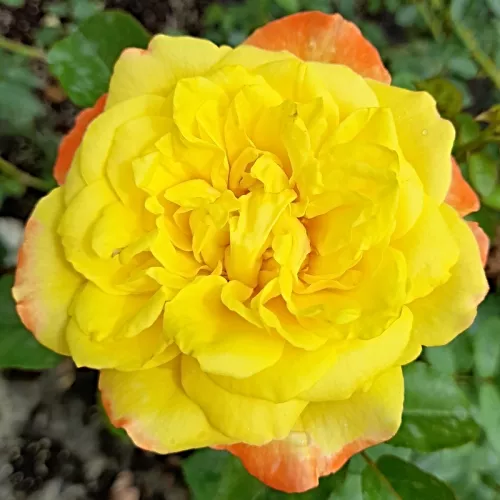
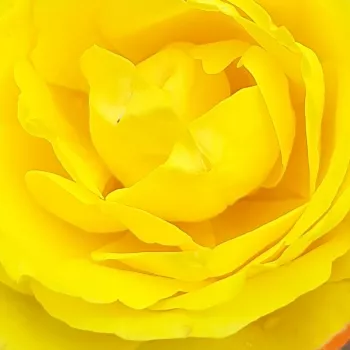
BANZAI – yellow hybrid tea rose – Meilland & Mouchotte
Golden blooms, a compact bush shape and reliable remontant flowering make Banzai an easy rose to live with in everyday gardens. Its upright, tidy habit suits small front borders, while own‑root vigour supports a genuinely long‑lived planting that copes well with typical British conditions, including heavier soils where improved drainage helps in wetter spells and wind. Medium maintenance means routine care rather than specialist skills, and the generously filled, high‑centred flowers hold their shape beautifully for cutting. Plant once, let it settle, and expect a natural progression from strong roots, through building shoots, to full garden presence over three seasons. Ideal if you value reliable colour, classic hybrid‑tea form and a rose that fits comfortably into a busy, family‑scale garden.
Usage options
| Target area | Reasoning |
|---|
| Front garden feature rose |
The upright, compact habit stays in proportion with small front gardens, giving a neat, formal look without outgrowing its space. The classic single‑stemmed blooms face upwards, creating a smart welcome near paths and driveways for the style‑conscious beginner gardener. |
| Cutting patch or cutting row |
High‑centred, exhibition‑type flowers on straight stems are well suited to cutting for the house. The medium flower size is practical in vases, and the repeated flushes keep providing stems over the season, suiting anyone who enjoys arranging home‑grown roses indoors. |
| Small mixed border in a family garden |
The dense, mid‑green foliage and moderate height allow Banzai to slot easily into cottage‑style plantings with perennials and herbs. Its golden‑yellow flowers sit well with blues, whites and soft pinks, giving long seasonal interest for lovers of informal cottage borders outside. |
| Compact rose bed (1–5 plants) |
Planted in a small group at the recommended spacing, the uniform, upright bushes form a coherent block of colour without becoming leggy. This predictable shape simplifies pruning and keeps maintenance modest for busy owners wanting a tidy bed nearby. |
| Part‑shade planting near the house |
Tolerance of partial shade means it can perform in those brighter, but not full‑sun, positions close to buildings. Here the rich yellow flowers lighten shaded corners and still repeat reasonably, appealing to urban gardeners with courtyards or overlooked plots locally. |
| Bed on heavier or clay‑leaning soils |
On improved clay or heavier ground with reasonable drainage, own‑root plants establish steadily and anchor well, supporting long‑term structure and stable flowering. This suits British gardens where soil is less than perfect but effort for soil preparation is limited practically. |
| Low hedge or row along a path |
The recommended closer spacing for hedging creates a low, formal line of foliage and blooms that edges paths or driveways neatly. Upright, even growth makes it easier to keep a straight outline, ideal for those wanting structure without complex clipping regimes regularly. |
| Large container on patio or terrace |
In a 40–50 litre container with good drainage, the compact stature and upright framework create a manageable patio rose with strong seasonal colour; adequate soil volume supports root health and reduces watering demands for time‑pressed terrace and balcony owners alike. |
Styling ideas
- Sunny welcome – Place a single Banzai by the front door, underplanted with Alchemilla mollis to soften the base, for a classic yellow accent that works with brick or render – ideal for small front‑garden owners.
- Cottage mix – Combine Banzai with Echinacea and airy grasses in a narrow border, letting its upright form punctuate looser shapes – suited to fans of relaxed cottage‑style planting.
- Formal line – Create a low edging row along a path at 40–50 cm spacing, repeating the same rose for a disciplined yellow ribbon – for those who like simple but structured layouts.
- Cutting corner – Dedicate a sunny bed to 3–5 Banzai plants, leaving easy access for harvesting stems for vases – perfect for home‑decor enthusiasts who appreciate reliable cutting flowers.
- Patio focus – Grow one plant in a 50 litre container with parsley or trailing herbs at the rim, so the blooms rise cleanly above foliage – aimed at balcony and terrace gardeners with limited ground space.
Technical cultivar profile
| Parameter | Data |
|---|
| Name and registration |
Hybrid tea rose from the Meilland breeding programme, registered as MEIquitos, marketed as BANZAI – yellow hybrid tea rose – Meilland & Mouchotte for garden and cutting use. |
| Origin and breeding |
Bred by Meilland International, Jacques Mouchotte, France, from unknown parentage; bred in 2006, introduced and registered in 2010, initially distributed by Meilland International. |
| Growth and structural characteristics |
Compact, upright bush reaching 70–100 cm in height and 40–60 cm spread, with dense, mid‑green matte foliage and moderate prickliness, forming a neat, balanced garden shrub. |
| Flower morphology |
Double, high‑centred, exhibition‑type blooms with 26–39 petals, medium flower size on mainly solitary stems, repeating well with an abundant second flush in favourable conditions. |
| Colour data and phenology |
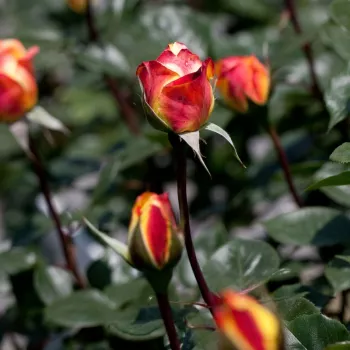
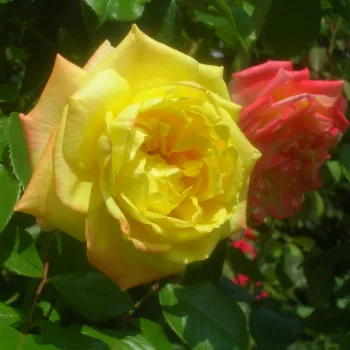
Rich golden‑yellow buds open to sunlit yellow flowers, gradually fading through lemon to pale creamy tones; colour retention is moderate, with lighter centres at full bloom. |
| Fragrance and aroma |
Very weakly scented hybrid tea rose, with fragrance barely noticeable in most garden situations, grown primarily for flower form and colour rather than perfume intensity. |
| Hip characteristics |
Produces small, occasional rose hips, spherical and orange‑red, typically 8–12 mm in diameter, of minor ornamental value and not generally a key feature of the variety. |
| Resistance and winter hardiness |
Moderate overall disease resistance, with similar tolerance to powdery mildew, black spot and rust; hardy to approximately −21 to −18 °C, corresponding to RHS H7 and USDA zone 6b. |
| Horticultural recommendations |
Suited to flower beds and cutting gardens, with medium maintenance needs; prefers full sun to partial shade, spaced 40–90 cm depending on use, with 4–4.6 plants per square metre in mass plantings. |
BANZAI – yellow hybrid tea rose – Meilland & Mouchotte offers compact, tidy growth, reliable repeat flowering and long‑term own‑root stability, making it a thoughtful choice if you want dependable colour with straightforward care.