BAJAZZO® – maroon-white striped-petal hybrid tea rose - Kordes
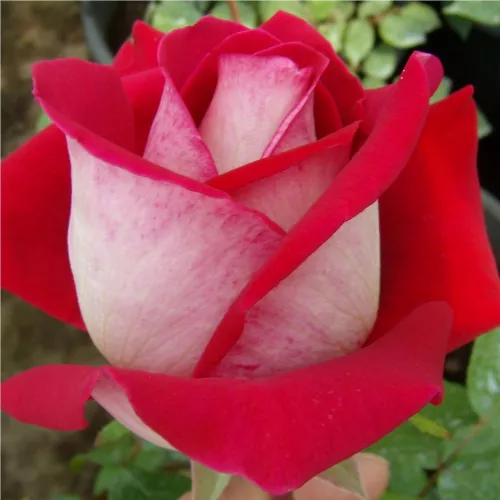
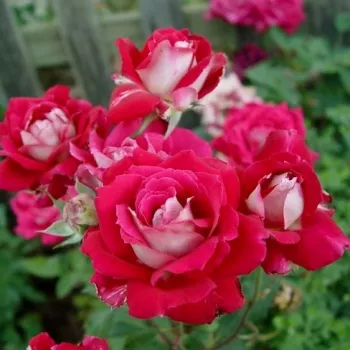
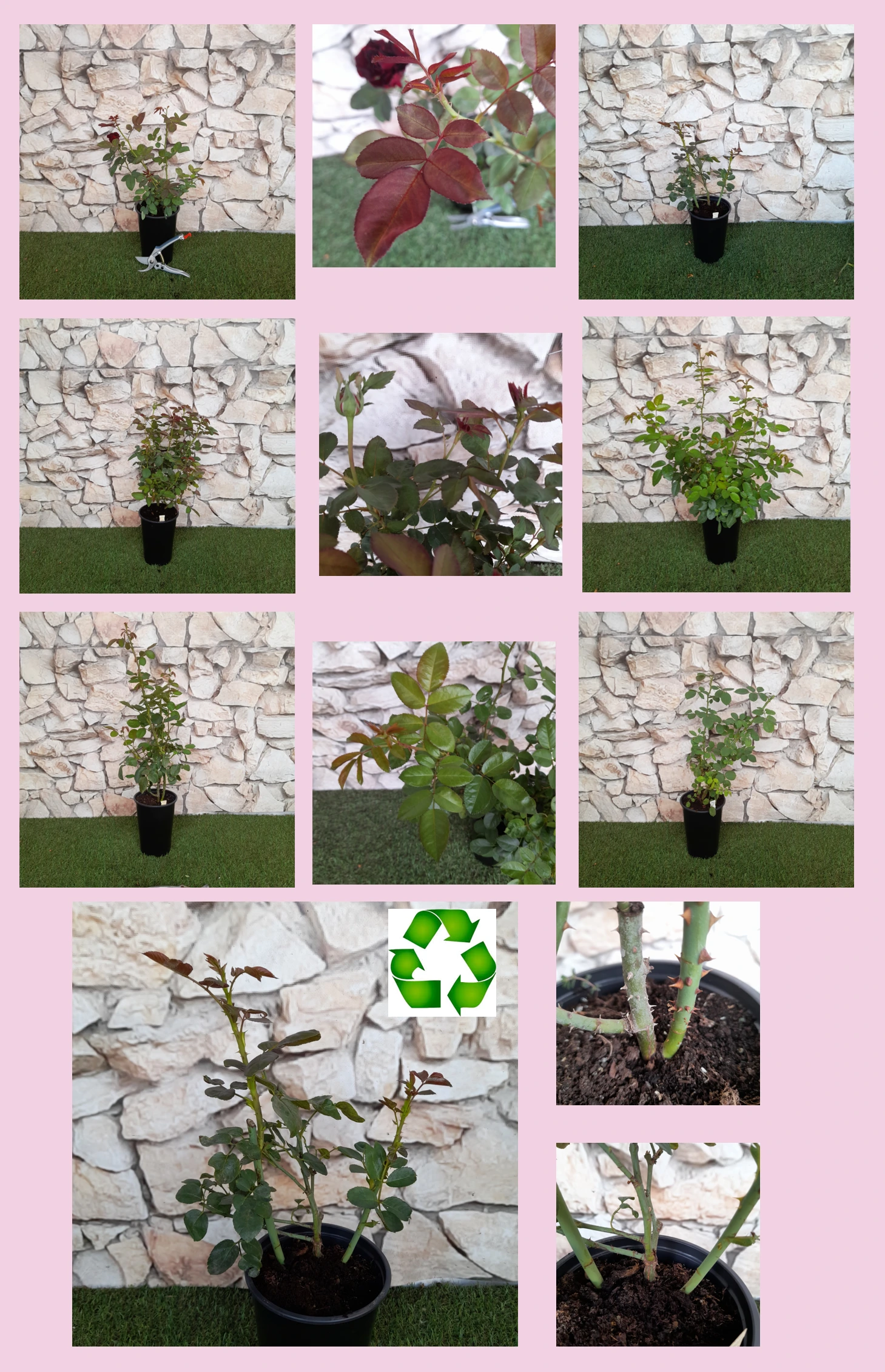
With its tall, climbing habit and maroon‑and‑white blooms, BAJAZZO® brings theatre to front gardens and cottage-style borders while remaining reassuringly manageable for the busy home gardener. Large, high‑centred, cut‑rose blooms in a striped pattern repeat through summer, giving you reliable colour and a classic hybrid tea look on the stem. Strong, floral fragrance means each flower is as enjoyable in a vase as it is on the arch or wall. As an own‑root plant it builds up a secure framework for a long garden life, helping it stay balanced and easier to refresh if you ever prune hard. Over time its dense, dark green foliage forms a neat screen that suits family gardens and around‑the‑house planting, coping well with typical British moisture when soil is given reasonable drainage in heavier ground. Expect a natural development rhythm – first establishing roots, then pushing stronger shoots, and by the third year showing its full ornamental character.
Usage options
| Target area | Reasoning |
|---|
| Front‑of‑house climbing focal point |
Bajazzo’s tall climbing habit and dense foliage make it ideal for training up a porch pillar or over a front‑door trellis, giving strong visual height without taking up much ground space. The bold, maroon‑and‑white blooms read well from the street, adding character to classic British front gardens that need impact from a single feature plant, particularly for the design‑conscious beginner homeowner |
| Cottage‑garden arch or pergola |
The rich, high‑centred blooms and traditional hybrid tea form suit rose arches and simple pergolas, where the bicolour petals can be appreciated close‑up. Its ability to build a stable framework on its own roots supports long‑term use on structures, matching the relaxed yet deliberate look of cottage gardens without constant replanting, attractive for those curating romantic spaces over several seasons enthusiast |
| Statement specimen in a small bed |
Used alone in a small front bed, Bajazzo offers a strong vertical accent with a narrow footprint and a clear, theatrical flower display. The large, solitary blooms act almost like floral sculptures above the foliage, so even a modest patch of ground can feel designed. This suits busy gardeners who want one striking, easy‑to‑understand feature rather than complex mixed planting beginner |
| Cut‑flower corner near the house |
High‑centred, pointed buds and medium‑sized, long‑stemmed flowers make Bajazzo well suited for home cutting. Planted close to a back door or path, it lets you harvest fragrant stems quickly for indoor vases, while its own‑root nature helps it recover well from regular cutting back. This appeals to those who like integrating garden roses into everyday home life urban‑gardener |
| Screening along fences or boundaries |
The variety’s dense, slightly glossy foliage and climbing height allow it to clothe a fence or light support, softening boundaries and providing seasonal privacy once established. Because the plant develops its own bush framework from the base, it creates a more permanent green screen than many grafted roses, supporting long‑term structure in compact family plots families |
| Raised beds in heavier clay soils |
In gardens with heavier clay, Bajazzo benefits from being planted into improved, slightly raised beds where excess water can drain more freely, helping root health and long‑term performance despite wet spells. This simple layout keeps maintenance straightforward and fits with the idea of a tidy but not over‑engineered garden for time‑pressed householders busy‑owner |
| Large container on patio or drive |
In a 40–50 litre or larger container, Bajazzo can be trained up an obelisk or wall bracket, giving vertical colour where border space is limited. Its own‑root constitution helps it adapt to the confined soil volume over time, making it a practical choice for paved front gardens, rented spaces or smart driveways where permanence and flexibility must be balanced town‑gardener |
| Simple rose grouping of 3 plants |
A small group of three Bajazzo plants can create a coherent, high‑impact rose feature with repeating colour and form, easier to manage than a mixed, fussy border. As the root systems strengthen and the climbing shoots extend from year to year, the display becomes fuller without extra design work, reassuring for those who want results without complex planning novice |
Styling ideas
- Porch‑frame elegance – Train Bajazzo up simple wooden posts each side of a front door and underplant with low lavender for scent continuity – ideal for homeowners wanting a welcoming, traditional entrance.
- Cottage arch duo – Pair Bajazzo on an arch with soft pink or white climbers and a skirt of hardy geraniums – suited to cottage‑garden fans who enjoy layered yet easygoing planting.
- Striped showcase bed – Plant a single Bajazzo as a centrepiece in a small circular bed edged with box or Lonicera nitida ‘Maigrün’ – good for those seeking clear structure without complex plant choices.
- Cut‑flower strip – Run Bajazzo along a sunny fence with gypsophila and annuals for a home cutting area that still looks decorative – perfect for gardeners who like arranging their own indoor bouquets.
- Paved‑patio column – Use a large pot (at least 40–50 litres) with a slim obelisk to grow Bajazzo as a vertical accent on a terrace or drive – ideal for small‑space gardeners wanting height without large borders.
Technical cultivar profile
| Parameter | Data |
|---|
| Name and registration |
Hybrid tea rose; registered and marketed as Bajazzo® hybrid tea rose Bajazzo; ARS exhibition name Bajazzo; belongs to the Hybrid Tea commercial group for garden and cut‑flower use. |
| Origin and breeding |
Bred by Reimer Kordes at W. Kordes’ Söhne, Germany, with introduction and registration in 1961; parentage is unrecorded, but reflects classic mid‑century hybrid tea breeding aims. |
| Growth and structural characteristics |
Vigorous climbing habit reaching about 150–190 cm high with 75–105 cm spread; dense, dark green, slightly glossy foliage and plentiful prickles; forms a strong framework when trained on suitable supports. |
| Flower morphology |
Medium‑sized, double, solitary blooms with 26–39 petals; classic high‑centred, pointed hybrid tea form on long stems; remontant, producing a good second flush in suitable conditions for extended display. |
| Colour data and phenology |
Deep burgundy‑red base with white petal reverses and lacing; colour lightens toward raspberry with creamy white tones as flowers age; contrast remains striking through opening and full bloom under normal garden light. |
| Fragrance and aroma |
Strong, elegantly floral scent noticeable both in the garden and when cut; retains fragrance for a useful period indoors, supporting its role as a decorative and scented cut‑flower variety. |
| Hip characteristics |
Hip set is generally sparse due to the double flowers; when present, produces small, ovoid red hips around 10–14 mm in diameter, adding minor seasonal interest late in the year. |
| Resistance and winter hardiness |
Hardy to approximately −21 to −18 °C (RHS H7, USDA 6b, Swedish zone 3) but with very susceptible foliage to powdery mildew, black spot and rust, requiring attentive, regular disease prevention and care. |
| Horticultural recommendations |
Best in sunny sites with air movement; ideal for beds, as a specimen or for cutting; mass planting at 65 cm spacing, hedging at 55 cm, single plants at 100 cm; prefers consistent care and regular plant protection regimes. |
BAJAZZO® offers theatrical bicolour flowers, a tall climbing habit and strong fragrance on a long‑lived, own‑root framework, making it a refined choice where you can provide the attentive care it deserves.