BAD HOMBURG – cream hybrid tea rose - Liebig
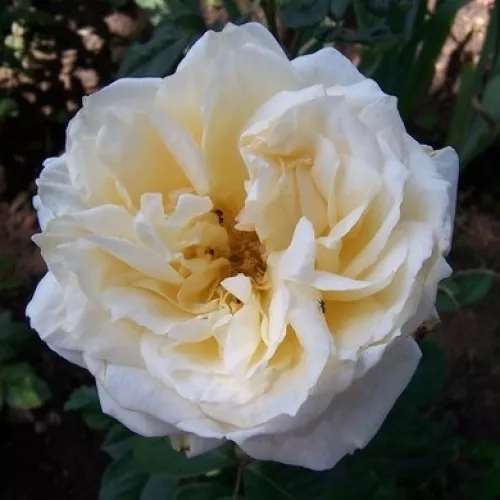
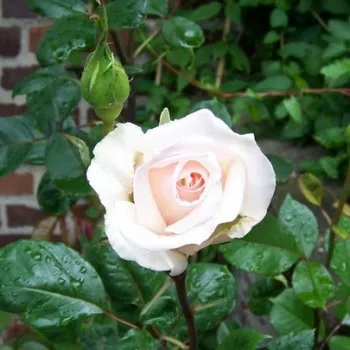
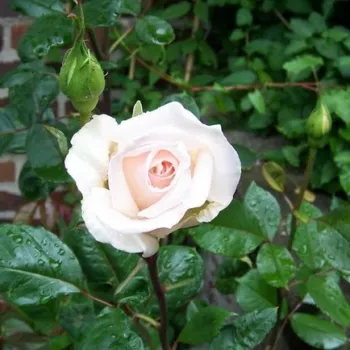
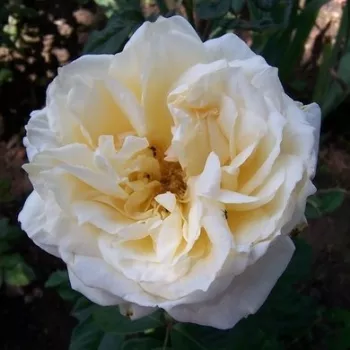
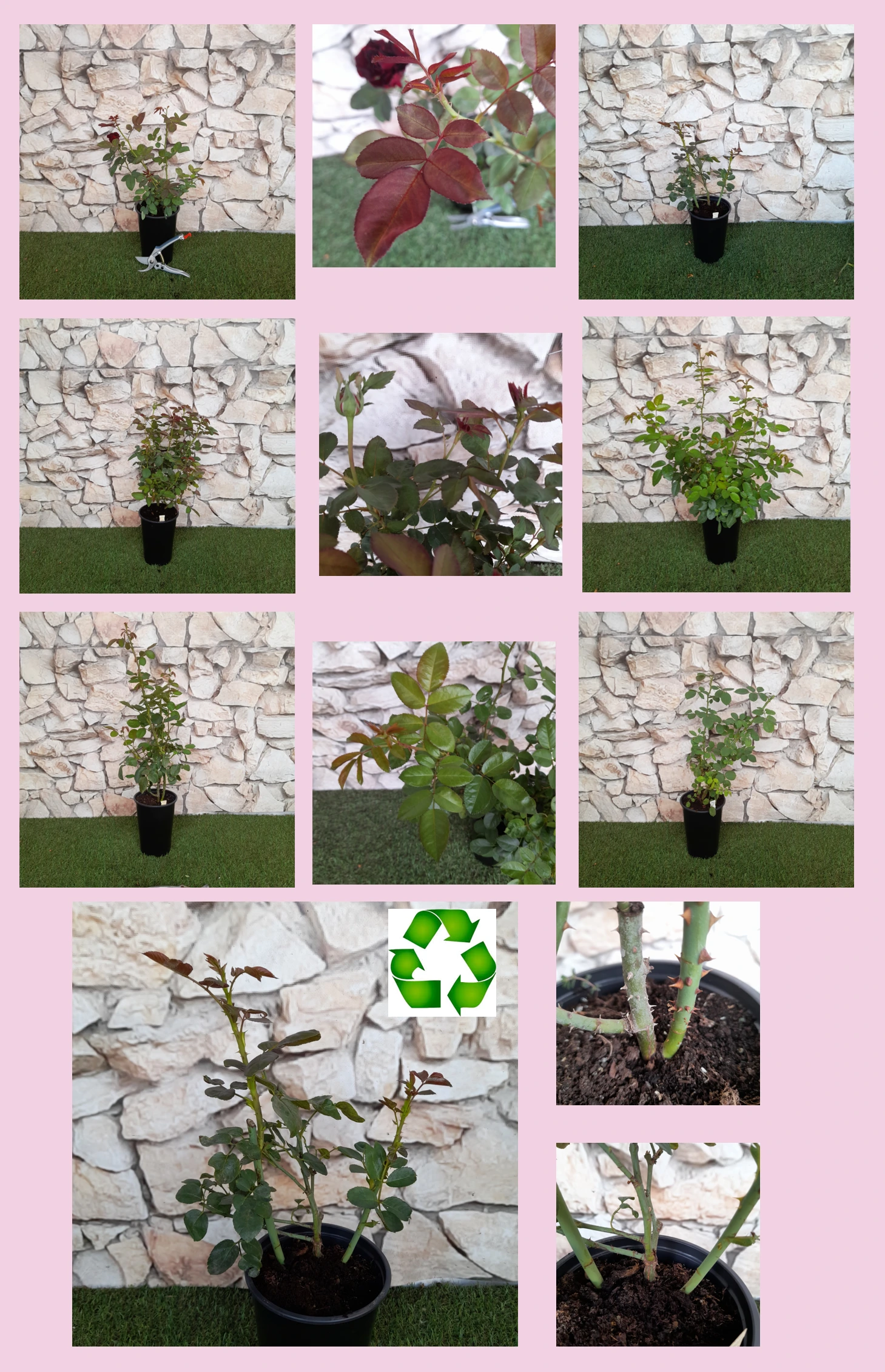
Elegant and calmly luminous in flower, BAD HOMBURG offers reliable hybrid tea blooms in a soft, creamy butter-yellow that lightens beautifully to ivory over time. Its upright, bushy habit stays tidy in the average family garden, making it easy to combine with classic perennials in front borders or near the front door. Bred for resistant foliage, it copes well in humid British summers with less need for spraying, even where breezes bring in frequent rain and strong wind from the coast. Each large, very double flower is ideal for cutting, so you can enjoy its soft, refined presence indoors as well. As an own-root plant it builds longevity and recovers well after pruning, gradually forming a balanced, stable bush. Over the first three seasons it moves naturally from strong rooting to confident shoot growth and, by year three, full ornamental impact in your garden picture.
Usage options
| Target area | Reasoning |
|---|
| Front garden focal point |
The upright, bushy habit and creamy, light-reflecting blooms create a welcoming focal point by the drive or front path without overwhelming a smaller space, giving dependable structure and flower for appearance-focused beginners. |
| Small mixed border |
Its neat spread of 50–70 cm fits comfortably into cottage-style borders, where the calm cream tone blends with pastel perennials and shrubs while good disease resistance keeps maintenance low for the busy gardener. |
| Cutting patch or cut-flower row |
Large, very double, long-stemmed flowers are ideal for cutting; remontant flowering means you can harvest scented stems repeatedly through the season while the bush quickly replaces them, suiting the home flower arranger. |
| Specimen rose in a small bed |
Planted alone with a 1 m spacing, one plant develops into a well-shaped, upright bush that reads clearly from a distance, with season-long creamy blooms offering character without demanding expert pruning from the beginner gardener. |
| Low-maintenance rose grouping |
In groups of three to five, recommended spacings create a softly interlocking hedge of blooms; strong resistance to black spot, mildew and rust minimises spraying and complex care, ideal for the time-poor garden owner. |
| Family garden bed near seating |
The mild, refined fragrance and harmonious flower colour make it comfortable to plant close to patios or play areas, where you can enjoy repeat flowering at eye level without overpowering scent, suiting the relaxed family user. |
| Rose bed on heavier clay soil |
On typical British clay, planting in slightly raised beds with added organic matter allows its own-root system to anchor well and support steady top growth, giving a long-lived, reliable display for the practical planner. |
| Large container on terrace |
In a 40–50 litre container with good drainage, its compact footprint and upright form make a stylish feature near doors or on balconies; regular watering and feeding are straightforward for the urban balcony or terrace gardener. |
Styling ideas
- Classic doorway accent – Plant one BAD HOMBURG each side of a path, underplanted with lavender and white geraniums for a calm, traditional entrance – ideal for lovers of restrained, elegant front gardens.
- Cottage border blend – Mix with soft pink foxgloves, white campanulas and airy grasses so the cream blooms weave naturally into a romantic cottage scheme – for those who enjoy gentle, informal planting.
- Cream-and-gold theme – Combine with variegated dogwoods and golden-leaved shrubs so its buttery buds echo warm foliage tones – perfect for gardeners wanting a coordinated, thoughtfully coloured bed.
- Cutting corner – Give it a sunny spot in a small cutting bed with cosmos and annual sweet peas, making it easy to gather quality stems through summer – suited to home florists who like simple, reliable crops.
- Patio feature pot – Grow a single plant in a large terracotta container with trailing thyme at the base for scent and softness – a good option for balcony and terrace owners seeking tidy, long-flowering structure.
Technical cultivar profile
| Characteristic | Data |
|---|
| Name and registration |
Hybrid tea rose; registered as PLAcharm, marketed as BAD HOMBURG – cream hybrid tea rose – Liebig; exhibition hybrid tea suitable for garden and cutting use. |
| Origin and breeding |
Bred by Ewald Liebig in Germany from 'Goldina' × ('Arthur Bell' × 'Prominent'); introduced and registered in 1997 by Pflanzen-Kontor for garden and cut-flower cultivation. |
| Growth and structural characteristics |
Upright, bushy shrub 80–110 cm high and 50–70 cm wide; dense dark green, slightly glossy foliage; moderately thorny stems give good structural presence in beds and borders. |
| Flower morphology |
Large, very double, cup-shaped blooms with 40+ petals, mostly borne singly on stems; remontant flowering with a generous second flush; weak self-cleaning, so deadheading improves appearance. |
| Colour data and phenology |
Warm creamy butter-yellow (RHS 24B–24C) when opening, fading through cream to ivory-porcelain white with a softer yellow centre; colour retention is good and fading remains even and attractive. |
| Fragrance and aroma |
Soft, elegant fragrance of mild strength; present but restrained, intended more for gentle appreciation at close range or in the vase than for strongly perfumed planting schemes. |
| Hip characteristics |
Occasionally forms small, spherical orange-red hips about 9–15 mm in diameter; hips are ornamental in autumn but usually sparse on regularly deadheaded plants. |
| Resistance and winter hardiness |
Good resistance to common rose diseases including black spot, powdery mildew and rust; hardy to approximately –21 to –18 °C (RHS H7, Swedish Zone 3, USDA Zone 6b) for reliable overwintering. |
| Horticultural recommendations |
Best in sunny sites with fertile, well-drained soil; spacing from 50 to 100 cm depending on use; low maintenance needs, but benefits from deadheading and annual pruning to maintain form and flowering. |
BAD HOMBURG Hybrid tea rose PLAcharm offers reliable repeat flowering, elegant cream blooms and long-lived own-root resilience, making it a thoughtful choice for those planning a calm, easy-care rose feature.