Ausorts – pink English climbing rose – Austin
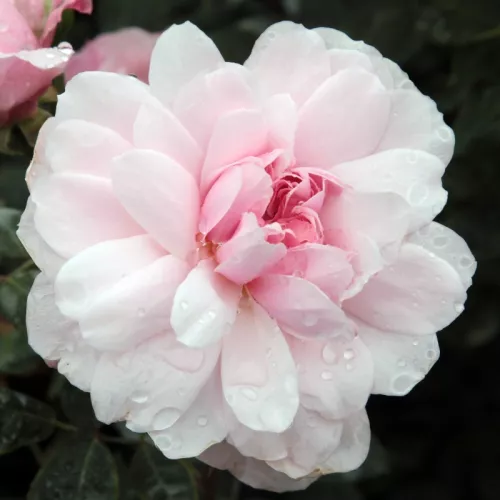
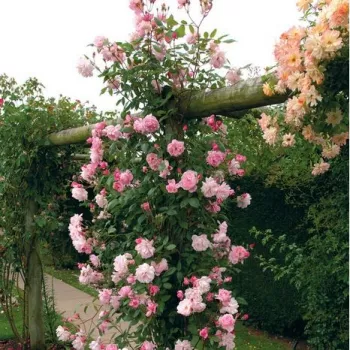
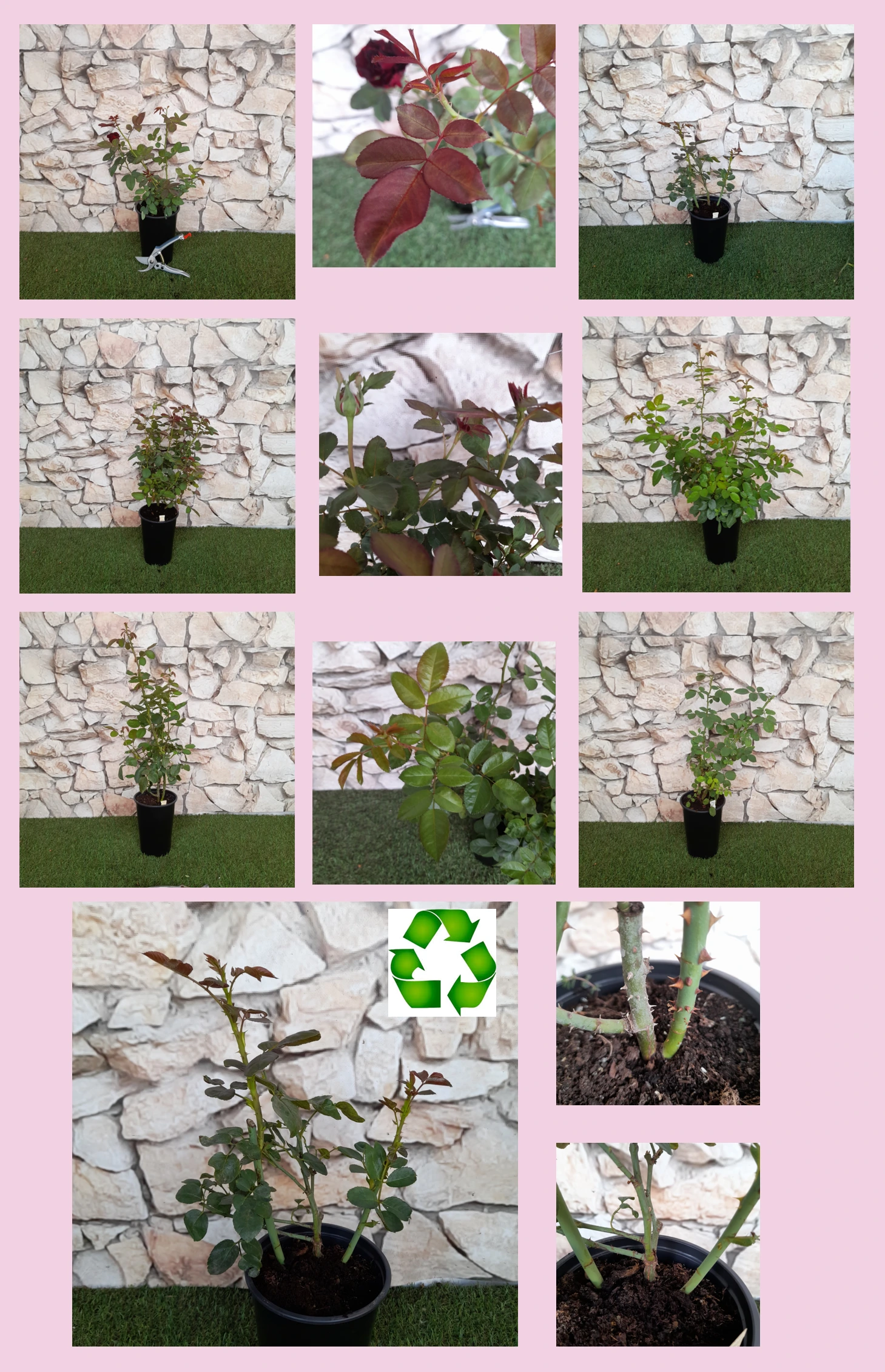
This softly romantic English climbing rose brings cottage charm and reliable flowering to compact British gardens, clothing arches, fences and house walls in gently cupped, light pink blooms with a fruity old-rose fragrance. Its upright habit with flexible, trainable stems makes it easy to guide where you need height and privacy, while the lightly thorned canes are kinder to family spaces than many vigorous climbers. As an own-root plant it settles in steadily, building long-term structure and recovering well from pruning or weather, even in spots where you must manage heavier soils and improve drainage for reliable performance. Over time the plant develops from establishing roots in the first year, through stronger shoots in the second, to its full ornamental value by the third, giving you an increasingly graceful, flowered presence with each season.
Usage options
| Target area | Reasoning |
|---|
| Front garden arch or small pergola |
Ideal where you want a welcoming focal point without excessive height: the moderate climber’s size fits typical front gardens and its cupped pink flowers read beautifully from the pavement. Flexible stems are easy to tie in for beginners and a lightly thorned character suits narrow paths; best for style-conscious homeowners. |
| House wall or fence in a classic cottage mix |
The upright, trainable habit lets you soften brick, timber or render with romantic English rose character, while repeat flushes keep the wall lively through summer. Own-root growth gradually forms a stable framework that responds well to renewal pruning, supporting long-term planting plans; suited to cottage-garden enthusiasts. |
| Small family seating area or terrace backdrop |
Medium-strength fragrance and soft pink tones give a calm, enveloping feel around patios and benches without overwhelming the space. The variety’s height allows you to lift colour and scent above garden furniture while keeping ground-level planting simpler and lower-maintenance; an inviting option for busy families. |
| Shared boundary or screen with neighbours |
Used along a fence, it offers gentle screening and visual softening rather than a dense, aggressive barrier, making it neighbour-friendly. Regular repeat flowering adds interest on both sides, and own-root resilience helps the plant recover if trimmed back from property lines; well suited to considerate garden owners. |
| Mixed border with perennials and shrubs |
Remontant flowering brings recurring pink highlights among companions such as lavender, catmint and climbing hydrangea, helping the border avoid dull spells. The cluster-flowered habit provides many mid-sized blooms rather than a few oversized ones, harmonising with cottage-style planting; ideal for colour-focused beginners. |
| Feature rose on a compact obelisk or pillar |
Its moderate vigour and relatively manageable spread make it easier to keep on a small support than many climbers, while the lightly thorned stems simplify tying-in and seasonal pruning. Over time the own-root framework thickens, giving a durable vertical accent; attractive for low-effort garden planners. |
| Large container by the front door (40–60 litres) |
When grown in a generously sized, well-drained container, it offers classic English rose charm where soil is poor or paved, provided watering is reliable during dry spells. The manageable height is appropriate near entrances, and flexible canes can be trained to a fan or arch; practical for urban balcony and doorstep gardeners. |
| Exposed suburban plots needing a soft vertical accent |
On sites where you must improve heavier soils for better drainage, this climber’s own-root habit slowly builds a well-anchored, adaptable plant that copes reliably with typical British weather. Repeat flowering and moderate foliage density mean it stays graceful rather than coarse; reassuring for time-pressed garden users. |
Styling ideas
- Soft-arch welcome – Train it over a narrow metal or wooden arch with catmint and lavender at the base to frame the path in pink and blue – ideal for style-conscious homeowners.
- Cottage fence veil – Let stems weave along a low to medium fence with underplanting of hardy geraniums, creating a gentle, semi-transparent boundary – perfect for neighbourly gardeners.
- Patio pillar rose – Grow on a slim obelisk in a large pot, surrounding the base with herbs for scent and practicality – convenient for small-plot and courtyard owners.
- Romantic wall panel – Fan-train against trellis fixed to brick, interplant with climbing hydrangea to extend interest into shadier corners – suited to classic cottage-garden fans.
- Calm seating nook – Place it behind a bench with soft grasses and white perennials to create a relaxed, subtly scented retreat – appealing to busy families seeking an easy-care corner.
Technical cultivar profile
| Parameter | Data |
|---|
| Name and registration |
English Rose Collection climber; registered as AUSorts, marketed as Ausorts English Rose and Mortimer Sackler, a shrub/climbing garden rose for ornamental use. |
| Origin and breeding |
Bred by David C. H. Austin (UK); ‘Lilian Austin’ × unknown seedling, introduced and first distributed by David Austin Roses Ltd in 2002 as part of the English Rose range. |
| Awards and recognition |
Holds the RHS Award of Garden Merit (2012) and a Silver Medal from the Gifu Rose Trials (2005), indicating strong ornamental value and reliable garden performance under trial conditions. |
| Growth and structural characteristics |
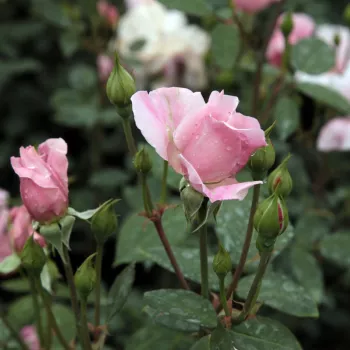
Climbing shrub with upright, flexible, arching shoots; 200–300 cm tall and 130–200 cm wide, moderately dense dark green foliage and relatively light prickling for a climber. |
| Flower morphology |
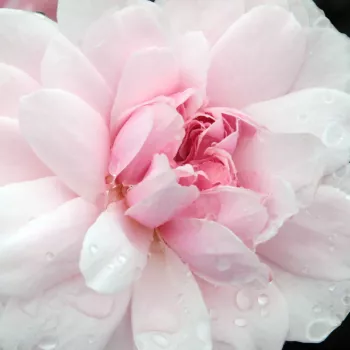
Very double, cupped, cluster-flowered blooms with 40+ petals; medium diameter flowers produced in flushes, with remontant, abundant second flowering and moderate self-cleaning requiring some deadheading. |
| Colour data and phenology |
Delicate light pink flowers with a subtle peachy glow in new blooms, gradually paling to near whitish-pink edges in sun; moderate colour retention with gentle fading as the flowers age. |
| Fragrance and aroma |
Medium-strength fragrance combining softly fruity notes with a traditional old rose character; primarily ornamental due to very double blooms, with limited value for pollinators. |
| Hip characteristics |
Occasional small ellipsoid rose hips, 8–13 mm in diameter, coloured red–orange; generally sparse and incidental to the cultivar’s main ornamental role. |
| Resistance and winter hardiness |
Hardy to approximately −26 to −23 °C (RHS H7, USDA 5b, Swedish zone 4); disease resistance moderate to low, with susceptibility to rust, so regular monitoring and protection are advisable. |
| Horticultural recommendations |
Best on supports such as arches, fences or pergolas in sun or light shade; requires good air circulation, regular feeding, watering in dry spells and plant protection to manage fungal diseases. |
Ausorts offers romantic pink clusters, a medium fruity old-rose scent and a manageable climbing habit on a long-lived own-root framework, making it a thoughtful choice for classic British gardens seeking lasting structure and charm.