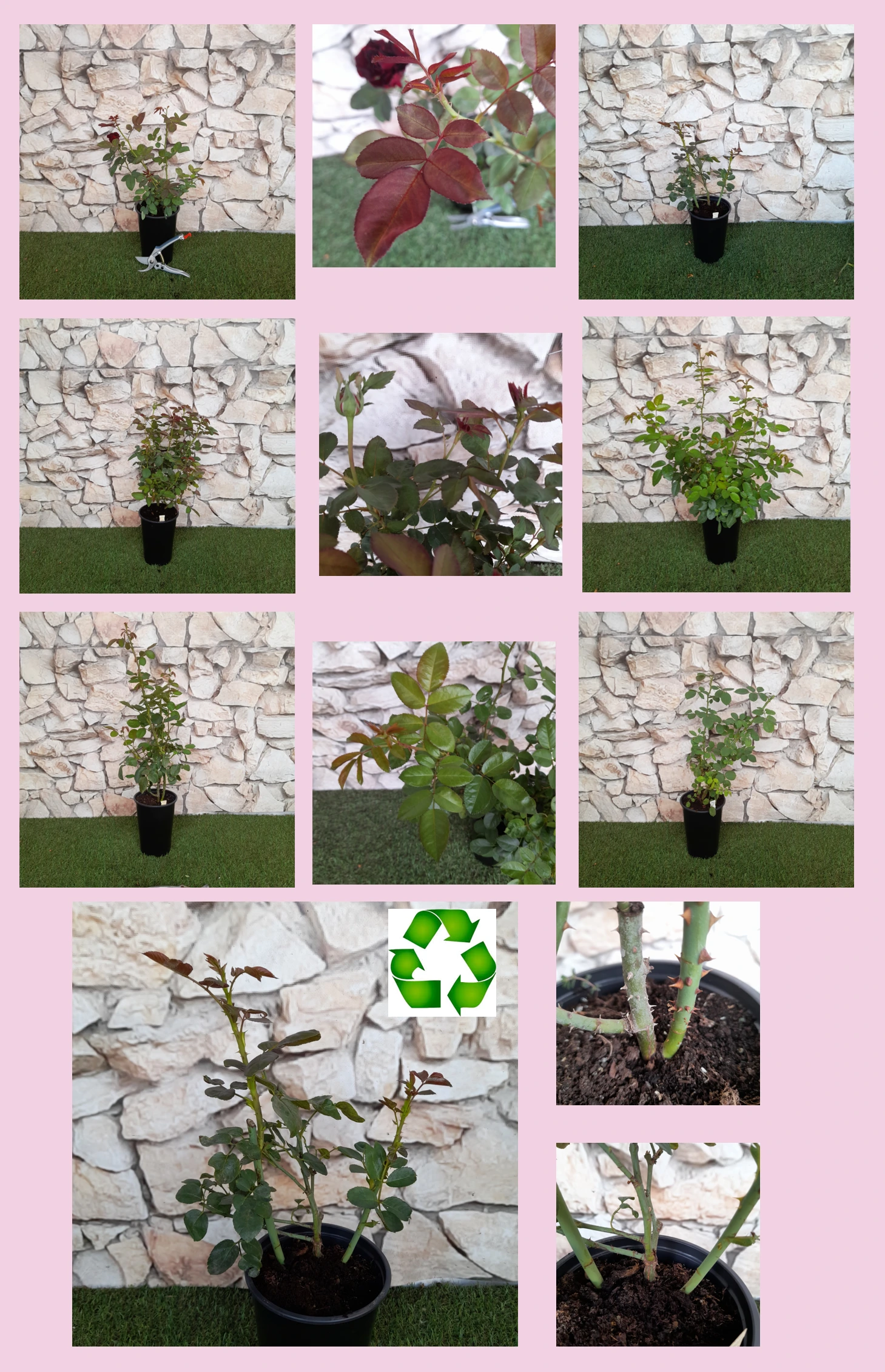
Tess of the d’Urbervilles – AUSmove English climbing rose
This deeply romantic David Austin climber brings crimson drama and classic charm to arches, fences and cottage-style front gardens, with large, fully double rosette blooms held in generous clusters and a fragrance of traditional, strong rose. Well suited to typical British conditions, it copes reliably with wet, breezy spells and benefits from sensible drainage where soils are heavy, giving you reassuringly steady growth and coverage over time. As an own-root plant, it builds its framework gradually, rewarding you with a long-lived, regenerating rose that responds well to flexible pruning and shaping, whether you prefer a controlled shrub or a more relaxed climber. In its first years it concentrates on root strength, then extends its shoots and finally delivers its full ornamental presence, so you can look forward to a maturing display rather than a short-lived show. Repeat flushes of bloom bring season-long colour for busy gardeners who simply deadhead and tidy when convenient, while the variety’s moderate care needs and dependable reflowering make it a confident choice for enthusiastic beginners. Give it a sunny or lightly shaded spot, a simple support and regular moisture, and this premium silver-rated rose will steadily become a centrepiece that anchors your planting scheme and blends beautifully into classic mixed borders.
Usage options
| Target area |
Reasoning |
| Climbing accent on arches and pergolas |
The upright, vigorous habit and long, flexible stems make this rose ideal for training over garden arches and pergolas, giving a strong vertical accent and a tunnel of crimson rosette blooms through summer; particularly rewarding for cottage‑style front‑garden owners. |
| Feature for sunny or part-shaded house walls |
Its tolerance of partial shade means it flowers well on east- or west-facing walls where some climbers struggle, providing a classic English look with deep crimson flowers and mid-green foliage; well suited to busy urban homeowners. |
| Romantic focal shrub in mixed borders |
When pruned as a tall free-standing shrub, its dense foliage and large, double blooms form a strong focal point among perennials and grasses, adding height, depth and a long-flowering centrepiece for aesthetics‑focused beginners. |
| Classic cottage-style rose-and-grass combinations |
The velvety crimson flowers pair beautifully with airy ornamental grasses and spires, creating movement and soft contrast while the repeat flowering maintains colour through the season, ideal for lovers of classic cottage gardens. |
| Low-maintenance family front garden planting |
Moderate maintenance needs, repeat flowering and reliable growth allow you to keep a smart-looking front garden with simple deadheading and occasional pruning, without intricate rose care, giving confidence to time‑pressed family gardeners. |
| Screening and boundary softening on fences |
Its 150–210 cm height and 120–180 cm spread allow it to soften fences and provide a living screen, while the sturdy framework anchors well even in breezier, rain-prone spots with suitable drainage, appealing to coastal and exposed‑site gardeners. |
| Cut flowers for home arrangements |
The large, very double rosette blooms and strong classic scent make excellent cut flowers for informal vases, bringing the atmosphere of an English rose garden indoors with minimal effort for home‑loving rose enthusiasts. |
| Long-term structural rose in family gardens |
As an own-root climber, it develops a durable framework that can be refreshed by pruning, supporting a long garden life with stable flowering; roots strengthen, then growth extends, then full ornamental value appears, reassuring for long‑term planning homeowners. |
Styling ideas
- COTTAGE ARCH – Train along a metal or timber arch with underplanting of catmint and hardy geraniums for a soft, overflowing entrance – ideal for lovers of romantic cottage gardens.
- FRONT-FENCE VEIL – Let the rose clothe a low to medium fence, with lavender and Liatris spicata ‘Kobold’ at its feet to keep the look tidy yet exuberant – suited to busy front-garden owners.
- PERGOLA WALKWAY – Use two or three plants along a pergola, weaving stems overhead and combining with Mexican feather grass for movement and texture – perfect for families seeking a simple wow factor.
- MIXED BORDER PILLAR – Prune as a tall shrub around an obelisk, surrounded by pastel perennials, to create a vertical anchor point – good for beginners wanting structure without complex design.
- COURTYARD FEATURE – In a 40–60 litre container with a sturdy trellis, this rose becomes a space-saving accent for patios or small courtyards – ideal for urban gardeners with limited ground space.
Technical cultivar profile
| Property |
Data |
| Name and registration |
English climbing rose from the English Rose Collection; registered as AUSmove, traded as Tess of the d’Urbervilles, exhibition shrub and climbing rose category. |
| Origin and breeding |
Bred by David C. H. Austin in the United Kingdom in 1997 from ‘The Squire’ × unknown seedling; introduced after 1999 by David Austin Roses Ltd. |
| Growth and structural characteristics |
Strong, upright climber to about 150–210 cm high and 120–180 cm spread, moderately thorny, with dense, slightly glossy mid-green foliage and weak self-cleaning of spent blooms. |
| Flower morphology |
Large, cluster-borne rosette blooms, very double with 40+ petals; Remontant, with a generous second flush, providing sustained garden colour in suitable conditions. |
| Colour data and phenology |
Deep crimson-red with velvety petals (RHS 53B outer, 53A inner); colour generally holds well, lightening slightly in strong sun and eventually fading towards muted brownish-purple tones. |
| Fragrance and aroma |
Pronounced, long-lasting classic rose fragrance with a traditional character; very double form limits pollinator access, so it is grown chiefly for ornamental and scented display. |
| Hip characteristics |
Produces moderate quantities of small, spherical orange-red hips, about 11–19 mm in diameter, adding late-season interest where deadheading is relaxed in autumn. |
| Resistance and winter hardiness |
Hardy to around −26 to −23 °C (RHS H7, USDA 5b); moderate resistance to black spot, mildew and rust, performing best with basic hygiene and regular watering in dry spells. |
| Horticultural recommendations |
Best in fertile, well-drained soil with sun or light shade; space 140–250 cm depending on use, tie in new shoots, deadhead, and prune annually to renew flowering wood and control size. |
Tess of the d’Urbervilles (AUSmove) offers rich crimson blooms, strong fragrance and dependable repeat flowering on a long-lived own-root framework, making it a thoughtful choice for those planning a lasting rose feature.