AUSMOON – yellow English rose – Austin
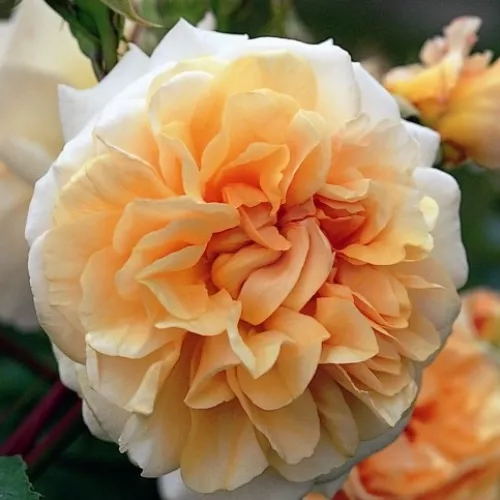
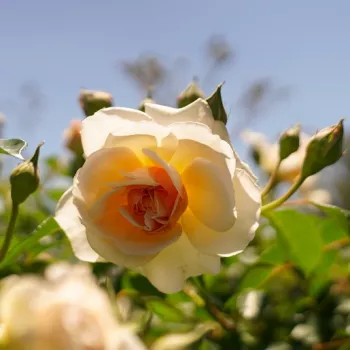
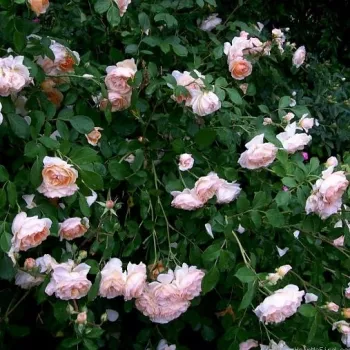
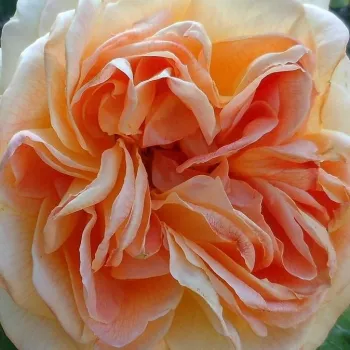
With its classic English rose character and upright habit, AUSmoon brings a generous display of rosette blooms in soft apricot‑yellow tones that suit both front gardens and relaxed cottage borders. The very double flowers carry a strong, tea‑scented fragrance, ideal if you would like scented stems to cut for the house as well as colour outside. This own‑root shrub establishes steadily, building a long‑lived, balanced framework that responds well to simple, once‑a‑year pruning. Over about three seasons it moves from root building, to strong shoot growth, then to its full ornamental value. Medium maintenance and reliable flowering make it a reassuring choice for typical British family gardens, even where you must pay attention to good drainage in heavier soils. Its reduced need for chemical inputs supports a more breathable, low‑intervention gardening approach.
Usage options
| Target area |
Reasoning |
| Feature shrub near the front door |
The upright, well‑branched shrub form creates a tidy, welcoming focal point that fits the scale of an average front garden. Strong, tea‑scented blooms give fragrance as you pass, without demanding expert care, which suits beginners. |
| Small mixed border with perennials |
Clustered, rosette flowers in soft apricot‑yellow blend easily with cottage‑style perennials, offering reliable repeat flushes for summer‑long colour. Medium height and dense foliage help tie together looser plantings, ideal for aesthetes. |
| Low‑input family flowerbed |
Medium disease resistance and reduced chemical needs support a breathable, family‑friendly garden where children and pets share the space. Once established, the own‑root shrub forms a stable structure that only asks for occasional attention from busy. |
| Lightly formal hedge or row |
The upright habit, planting distances around 120–130 cm, and dense foliage allow you to create a soft, flowering hedge that screens while remaining manageable with one annual trim, appreciated by homeowners. |
| Cutting patch for home use |
Medium‑sized, very double blooms on reasonably long, barely prickly stems are well suited to cutting, while the strong tea scent carries well indoors, making regular home arrangements achievable for enthusiasts. |
| Own-root long‑term rose focal point |
As an own‑root shrub, AUSmoon rebuilds from its base if ever pruned harder or weather‑damaged, giving a long service life and stable form rather than relying on a graft, which reassures cautious gardeners. |
| Front garden bed in heavier soils |
In raised or well‑drained beds on heavier clay, the robust shrub framework anchors well and copes with typical British weather, so you can enjoy long flowering without complex soil engineering, attractive for families. |
| Large container on patio or terrace |
Planted in a substantial 40–50 litre container with quality compost, the upright, medium‑tall shrub provides colour, scent and structure where borders are limited, remaining manageable for regular dead‑heading by urbanites. |
Styling ideas
- Cottage – Combine AUSmoon with lavender and catmint for a soft, romantic edge to a path – ideal for those seeking a classic cottage feel without complex design.
- Contrast – Pair its apricot‑yellow rosettes with deep purple salvias or verbascum for a richer, more dramatic border – suitable for gardeners who enjoy bolder colour statements.
- Pastel – Mix with pale pink roses and white foxgloves to create a calm, light palette around seating areas – perfect for homeowners who favour gentle, relaxing spaces.
- Prairie – Thread AUSmoon through swaying grasses such as Panicum ‘Sangria’ for a breathable, naturalistic look – appealing to those who want lower‑input, movement‑rich plantings.
- Formal – Use as repeating accents in a symmetrical front garden with clipped box and Euonymus edging – well suited to beginners who like order and clear structure.
Technical cultivar profile
| Property |
Data |
| Name and registration |
Shrub rose, English rose type; registered as AUSmoon, trade name Ausmoon English Rose AUSmoon, exhibition name Pegasus; part of the English Rose collection. |
| Origin and breeding |
Bred by David C. H. Austin, UK; cross of ‘Graham Thomas’ × ‘Pascali’; bred 1994, introduced and registered 1995 by David Austin Roses Ltd. |
| Growth and structural characteristics |
Upright shrub 120–170 cm high, 110–160 cm wide, with dense, slightly glossy medium‑green foliage and very few prickles; self‑cleaning is weak, so spent blooms benefit from removal. |
| Flower morphology |
Medium‑sized, very double, rosette‑shaped flowers in clusters, usually over 40 petals; remontant, with a strong second flush providing repeated flowering through the main season. |
| Colour data and phenology |
Outer petals cream‑yellow (RHS 4D) deepening to peach‑yellow (RHS 22C) inside; colour tends to lighten in strong sun, moving from butter‑yellow to softer cream‑yellow tones. |
| Fragrance and aroma |
Pronounced, strong tea fragrance typical of English roses; well noticeable in the garden and suitable for cutting to bring scent indoors for arrangements and small vases. |
| Hip characteristics |
Rose‑hip formation is uncommon; if present, ellipsoid orange‑red hips 10–14 mm in diameter may develop, generally of minor ornamental significance. |
| Resistance and winter hardiness |
Hardy to about −26 to −23 °C (RHS H7, USDA 5b, Swedish zone 4); medium disease resistance, good against powdery mildew, medium tolerance to black spot and rust. |
| Horticultural recommendations |
Best in sunny positions with fertile, well‑drained soil; spacing 120–200 cm depending on use; medium maintenance with occasional plant protection and regular dead‑heading recommended. |
AUSmoon offers scented English rose charm, repeat flowering and a durable own-root shrub structure that rewards straightforward care over many years, making it a thoughtful choice if you value long-term beauty with moderate effort.