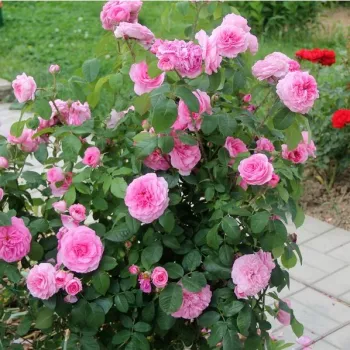
Gertrude Jekyll – Ausbord English shrub rose
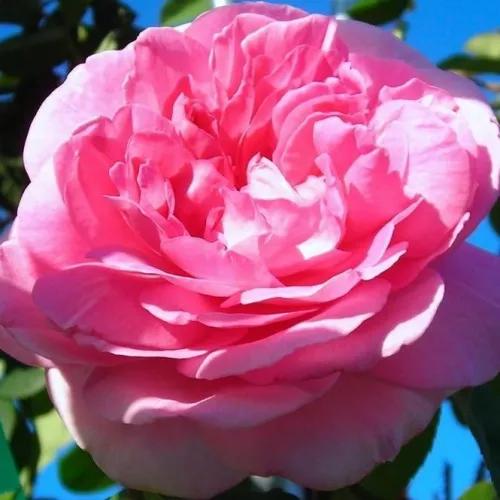
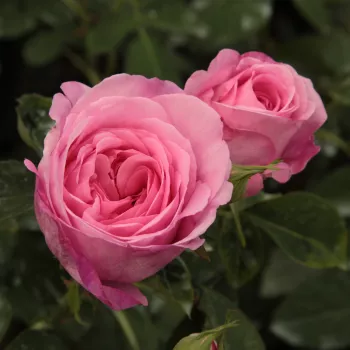
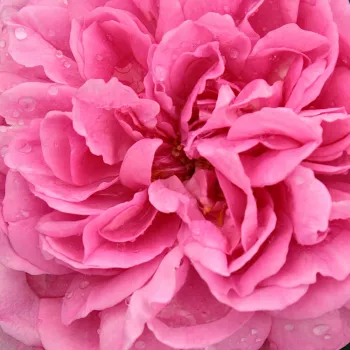
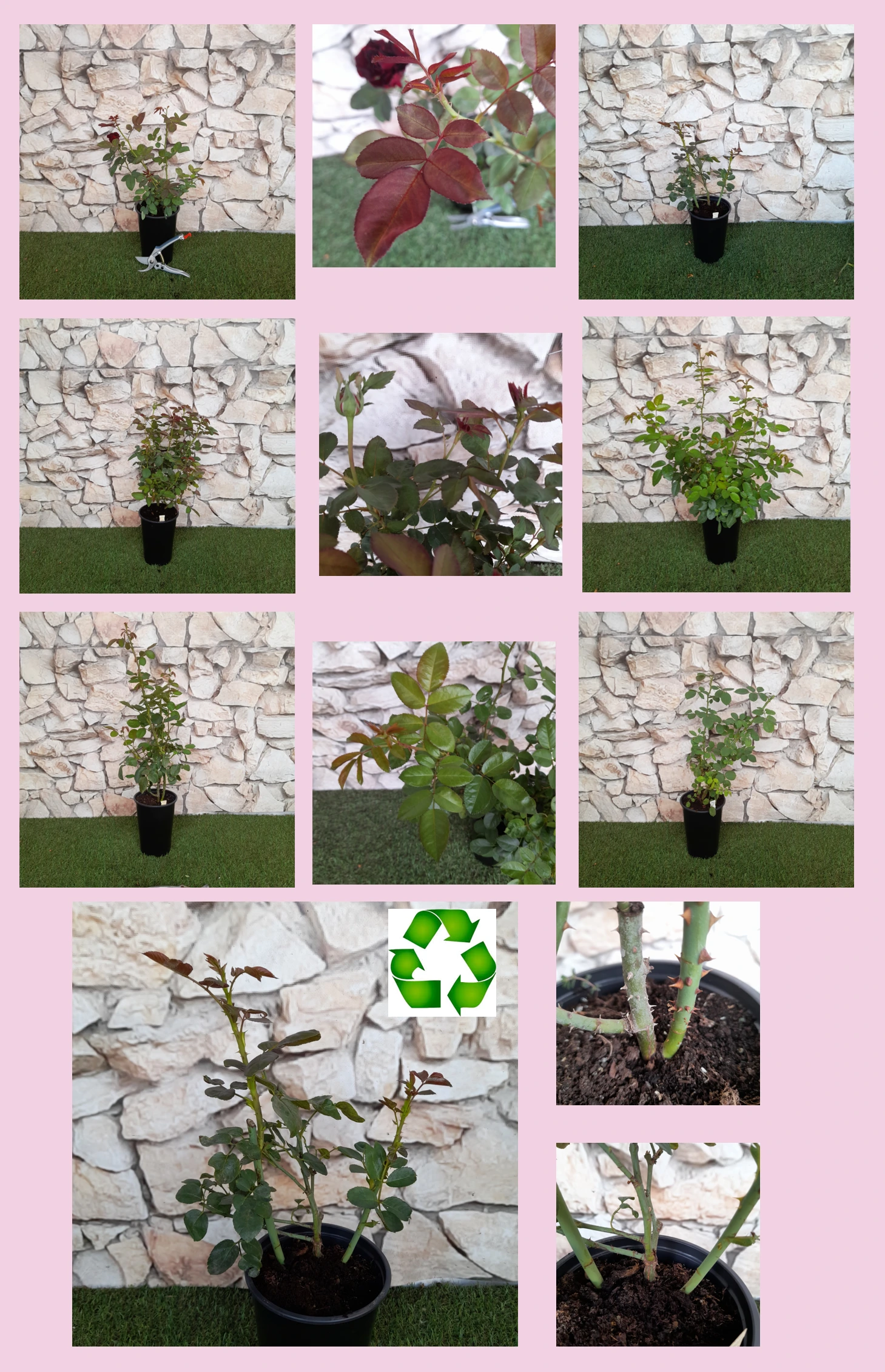
fragrance fills the garden from the very first summer as Gertrude Jekyll settles into its new home, combining classic cottage-garden charm with reassuringly easy maintenance for busy households. This romantic English shrub rose offers large, fully double rosette blooms in a clear mid-pink, held on a sturdy, upright habit that suits front gardens, mixed borders and feature planting by the front door. Bred for long garden life, it is supplied as an own-root plant that develops steadily – roots in year one, stronger top growth in year two, and full ornamental value by year three – for reliable, long-term performance. Moderate disease resistance and good winter hardiness support simple care in typical British conditions, even where cool, damp summers bring higher fungal pressure and heavy soil benefits from improved drainage. Its strong, far-reaching old-rose scent and large, repeat-flowering rosettes provide enduring impact from early summer to autumn, while the structured shrub form anchors planting schemes without needing complicated pruning, ideal if you prefer straightforward gardening and want a rose that “just works” in everyday family spaces. With medium maintenance needs – mainly deadheading and the occasional tidy – this rose delivers a generous show of nostalgic blooms year after year, rewarding patient beginners and experienced gardeners alike with a dependable, fragrant highlight near paths, seating areas or windows, even in smaller town gardens where long-lived structure and reliable flowering are key to a calm, ordered border.
Usage options
| Target area |
Reasoning |
| Feature shrub near entrance or front path |
The strong, far-reaching old-rose scent and large, romantic blooms make this an excellent focal point near doors, gates or along the main path, where you regularly pass and can enjoy it at close quarters; its upright, dense form gives a welcoming sense of structure for cottage-garden lovers. |
| Mixed cottage-style border with perennials |
Gertrude Jekyll repeats well through the season, providing pink structure among herbaceous perennials; pairing with plants such as echinacea or liatris balances its height and texture, while its clear colour holds its own in soft, pastel cottage schemes for aesthetics-focused beginners. |
| Low to medium informal hedge |
The upright, bushy habit and dense foliage allow it to knit into a loose, flowering hedge at 70–80 cm spacing, ideal along boundaries or drives; regular deadheading keeps the line tidy, delivering a classic look without formal clipping for family-garden owners. |
| Specimen shrub in small beds or island planting |
As a single specimen at wider spacing, the shrub shape and XL flowers stand out in modest front gardens; with only medium maintenance needs and mainly light pruning, it offers a substantial presence without demanding specialist skills for busy urban gardeners. |
| Repeat-flowering source of scented cut flowers |
The long stems with very double, XL rosette blooms and powerful old-rose fragrance make it particularly rewarding for cutting; regular harvesting of flowers naturally tidies the bush and encourages further flushes, combining beauty indoors and out for home-floristry enthusiasts. |
| Own-root, long-term structural planting |
Supplied on its own roots, this rose gradually forms a balanced, durable shrub that adapts to your soil and climate over time, regenerating from the base if needed; this provides stable ornamental value over many years with consistent character for long-term planners. |
| Roses in heavier or moisture-retentive soils |
In typical British gardens with clay or heavier ground, planting in raised or improved beds helps this variety establish well; once rooted, it combines good winter hardiness with moderate disease resistance even where damp weather increases fungal pressure for practical homeowners. |
| Large containers on patios and terraces |
In a generously sized container of at least 40–50 litres, with reliable watering during dry spells, the upright shrub habit and intense fragrance bring a strong vertical and sensory accent to seating areas, windows or balconies, with pruning kept flexible and straightforward for container gardeners. |
Styling ideas
- Cottage Focus – Combine with foxgloves, nepeta and soft grasses to echo classic English cottage borders, letting the strong scent and clear pink blooms stand out – ideal for romantic front-garden settings.
- Formal Edge – Use as a loose hedge along a path, underplanted with low box alternatives or small evergreen hollies to keep a structured look while the blooms supply colour and perfume – suited to orderly yet relaxed gardens.
- Pastel Mix – Pair with pale lilac, cream and blush perennials to create a gentle, harmonious palette that highlights the rose’s mid-pink rosettes without visual clutter – perfect for smaller, design-conscious spaces.
- Season-Long – Interplant with late-summer perennials such as echinacea and liatris so the border remains attractive between rose flushes, the shrub providing backbone while companions bridge seasonal gaps – good for low-fuss continuity.
- Fragrant Corner – Position one or three plants near a seating area, adding lavenders and herbs so texture and scent build together around the rose’s rich perfume – ideal where evening relaxation and atmosphere matter most.
Technical cultivar profile
| Parameter |
Data |
| Name and registration |
English shrub rose from the English Rose Collection, commercial type romantic English rose; registered as AUSbord, marketed as Gertrude Jekyll, exhibition category shrub. |
| Origin and breeding |
Bred by David C. H. Austin in the United Kingdom from ‘Wife of Bath’ × ‘Comte de Chambord’; introduced by David Austin Roses Ltd. in 1986, later registered in additional markets. |
| Awards and recognition |
Holds the RHS Award of Garden Merit (1994), RNRS James Mason Award (2002), RHS People’s Vote “The Nation’s Favourite Rose” (2012) and World Federation “World’s Favourite Rose” distinction (2025). |
| Growth and structural characteristics |
Medium-sized upright shrub, around 100–150 cm tall and 80–130 cm wide, with dense, slightly glossy dark green foliage and notable prickliness; self-cleaning is weak, so spent blooms benefit from removal. |
| Flower morphology |
Very double, XL rosette blooms with 40 or more petals, typically borne singly on stems; remontant, with a generous first flush followed by an abundant second flowering period in suitable conditions. |
| Colour data and phenology |
Clear mid-pink blooms (RHS 57B–57C) that open bright and vivid, softening slightly with age; colour holds well in sun, with cooler weather deepening the tone and pale edging developing as flowers mature. |
| Fragrance and aroma |
Exceptionally strong, far-reaching old-rose fragrance regarded as one of its signature features; ideal for scented gardens and cutting, although the very double form offers low value for pollinators. |
| Hip characteristics |
Rosehip production is limited because of the very double flowers; when formed, hips are small, spherical and orange-red, around 8–14 mm in diameter, adding only light late-season interest. |
| Resistance and winter hardiness |
Hardy to approximately −26 to −23 °C (RHS H7, USDA 5b), with good black spot resistance and moderate susceptibility to powdery mildew and rust; benefits from regular watering in warm, dry spells. |
| Horticultural recommendations |
Suited to beds, specimen planting, hedging and cutting; medium maintenance with occasional pest and disease checks, best at 70–140 cm spacing depending on use, and tolerant of partial shade in gardens. |
Gertrude Jekyll (AUSBORD) offers powerful fragrance, repeat flowering and a robust shrub form on long-lived own roots, making it a dependable choice if you would like a classically beautiful, easy-going rose for your garden.