ASJA™ – orange-red hybrid tea rose – McGredy
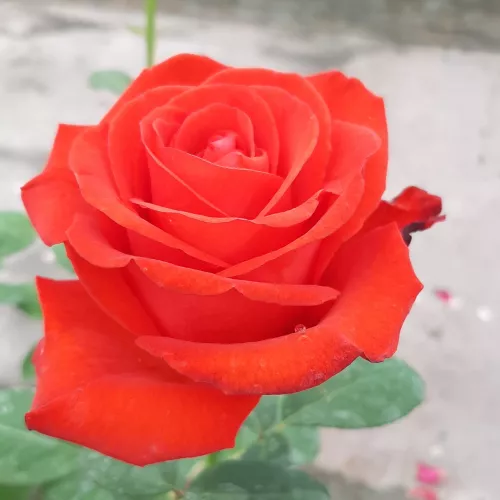
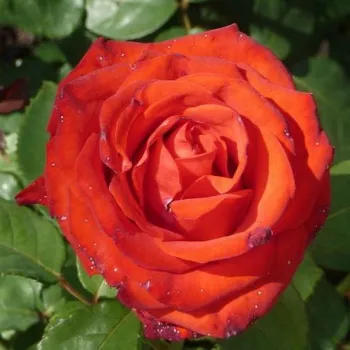
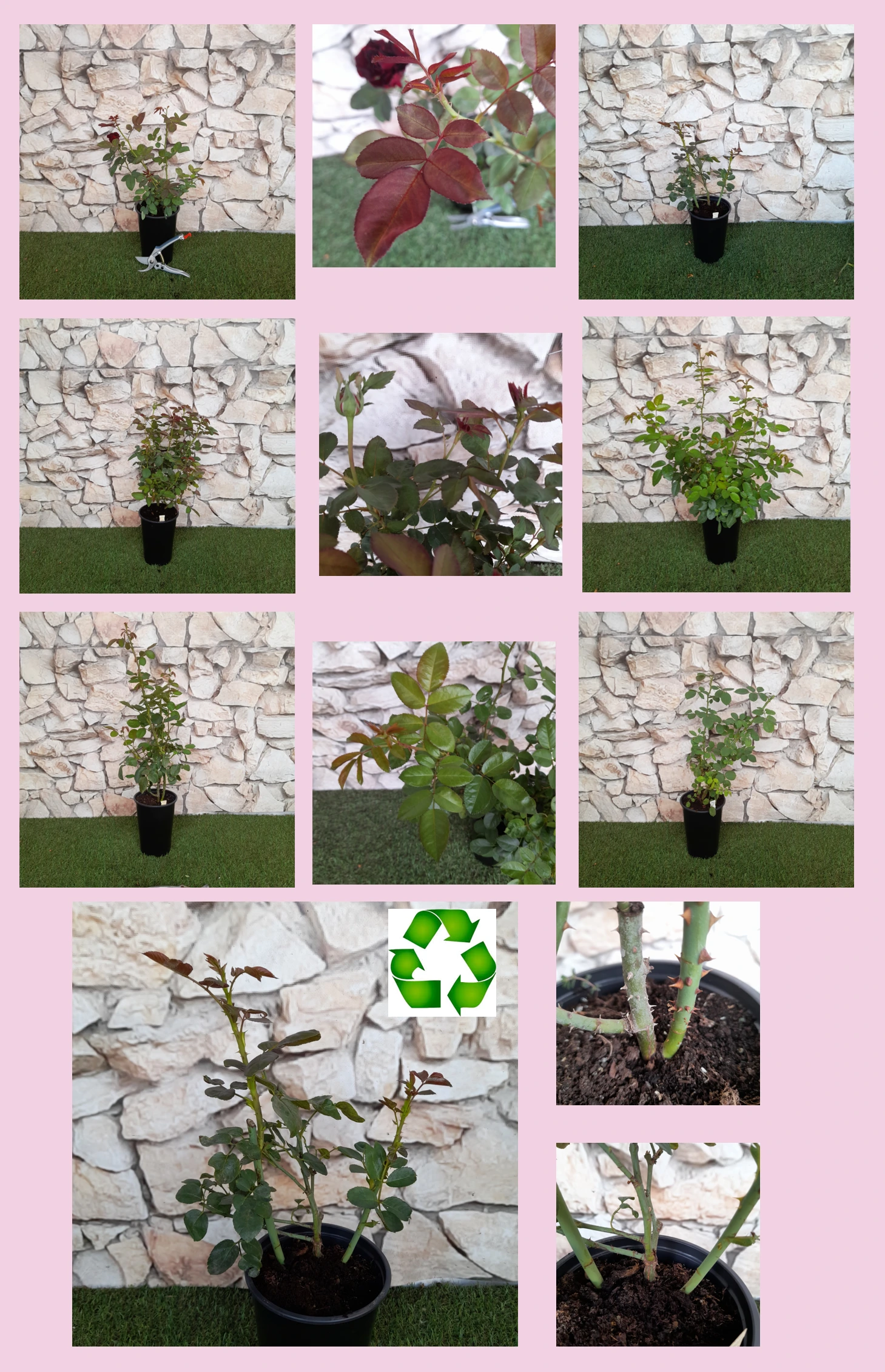
Colour and elegance come together in ASJA™, a hybrid tea rose bred by McGredy to give you long-stemmed, exhibition-style blooms for the garden and vase with minimal fuss. Its vivid orange-red flowers hold their brightness well, so borders stay lively even in changeable British summers with frequent wind and showers. Upright yet compact growth makes it easy to place in small beds, front gardens or beside paths where you want structure without clutter. As an own-root plant, it develops a balanced, stable bush that matures steadily, supporting healthy foliage and reliable repeat flowering year after year. With moderate disease resistance, it fits well into low-input family gardens where time is limited but standards remain high. Well-rooted in a 2-litre pot, it settles quickly into the soil, giving you a reassuringly straightforward planting experience. In a typical garden it builds up from root strength through the first season, then fuller shoots the next, before reaching its complete ornamental impact around the third year. Ideal when you want neat structure, cut-ready stems and a consistently refined display without complicated care.
Usage options
| Target area |
Reasoning |
| Front garden focal point near the entrance |
The upright, tidy habit and saturated orange-red blooms create a welcoming feature that reads clearly from the pavement without overwhelming a small space. It repeats well through the season, so the entrance stays presentable between routine trims – ideal for busy beginners. |
| Small mixed border in a family garden |
Moderate height and a defined hybrid tea shape allow ASJA™ to slot neatly among perennials and low shrubs, adding vertical accents and colour without dominating. Its own-root form supports a long-lived, stable clump that copes well with typical family-garden routines – well suited to practical homeowners. |
| Cutting corner for home bouquets |
Long, straight stems with classic high-centred blooms make this variety a natural choice if you like to cut a few roses for the house. Regular cutting encourages more buds, giving a steady supply of decorative stems for informal arrangements – a pleasure for aesthetics-focused gardeners. |
| Formal pair by a path or terrace |
Planted as a symmetric pair, ASJA™ gives clear structure and consistent colour, ideal beside steps, paths or patios. Its medium maintenance needs mean occasional pruning and light plant protection are usually sufficient to keep the outline smart – appealing to style-conscious owners. |
| Small group of 3–5 in a dedicated rose bed |
Grouped planting at the recommended spacing produces a dense, coordinated display of orange-red blooms that reads as one calm block of colour. The own-root plants gradually knit together, giving a durable stand that responds well to simple annual pruning – reassuring for new rose growers. |
| Container planting in a large patio pot |
Its upright structure and repeat flowering work well in a 40–50 litre container where you can control drainage and soil, particularly helpful in areas with heavier clay. Regular watering and feeding are straightforward tasks that support dependable performance – convenient for urban balcony users. |
| Cottage-style mix with perennials and grasses |
The vivid orange-red tones combine attractively with soft pinks, purples and ornamental grasses, bringing a contemporary spark to cottage-style schemes. The moderate foliage density leaves space for companions while still reading as a rose focal point – inspiring for creative planters. |
| Weather-exposed beds in breezier sites |
The firm, double blooms and good colour retention help the flowers stay attractive even when wind and rain are frequent in exposed gardens, reducing the need to deadhead immediately after every shower. This supports a presentable look with limited intervention – practical for time-pressed gardeners. |
Styling ideas
- Entrance Accent – plant one ASJA™ by the front path with low evergreen edging such as box or dwarf euonymus to highlight its glowing blooms – perfect for homeowners wanting a smart, simple welcome.
- Cottage Contrast – combine ASJA™ with soft lavender, pale pink hardy geraniums and airy verbena to let its orange-red flowers pop within a relaxed, romantic border – ideal for cottage-garden enthusiasts.
- Sunset Border – group 3 roses with bronze carex, orange hemerocallis and warm-toned heucheras to echo the flower colour in foliage and form – suited to gardeners who enjoy coordinated palettes.
- Patio Feature – grow ASJA™ in a 50-litre terracotta pot with trailing thyme or bacopa at the rim to soften the container while keeping blooms at eye level – attractive for balcony and terrace users.
- Structured Rose Bed – arrange 5 plants in a loose diamond with low, white flowering companions such as alyssum or dwarf cosmos to create a formal yet lively focal patch – appealing to those who prefer orderly planting.
Technical cultivar profile
| Parameter |
Data |
| Name and registration |
ASJA™ is a hybrid tea rose used as a cut flower and garden variety, registered with the American Rose Society under the exhibition name Asja for show and competitive displays. |
| Origin and breeding |
Bred by Samuel Darragh McGredy IV of McGredy Roses International in New Zealand, introduced and registered in 1998, with parentage not publicly documented by the breeder. |
| Growth and structural characteristics |
Upright hybrid tea bush reaching about 95–125 cm in height and 60–85 cm spread, with moderately dense, slightly glossy medium green foliage and a moderately thorny framework. |
| Flower morphology |
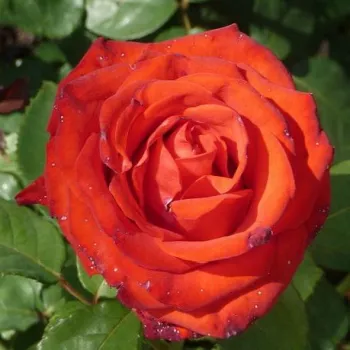
Large, double, high-centred, cupped blooms on mostly solitary stems, with approximately 26–39 petals and remontant flowering that repeats strongly in a pronounced second flush. |
| Colour data and phenology |
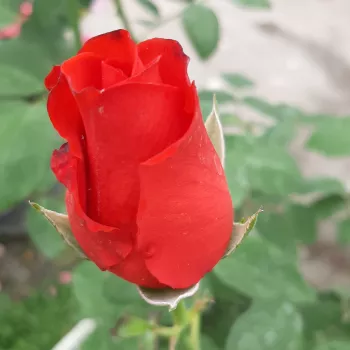
Flowers open from deep dark orange-red buds to vivid orange-red with a silky sheen, lightening slightly at petal edges and fading to a softer muted red-orange while retaining good overall colour impact. |
| Fragrance and aroma |
Fragrance is discreet, with a very weak yet pleasantly delicate spicy note, noticeable at close range but not dominant, making it suitable near seating where strong scent is not desired. |
| Hip characteristics |
Hip set is generally low due to the double blooms, though occasional small ellipsoidal orange-red hips, around 10–14 mm in diameter, may develop under favourable pollination and ripening conditions. |
| Resistance and winter hardiness |
Hardy to approximately −21 to −18 °C (RHS H7, USDA 6b), with good resistance to black spot and moderate susceptibility to powdery mildew and rust, requiring periodic, targeted plant protection. |
| Horticultural recommendations |
Best in sunny, well-drained soil with regular feeding and watering; suitable for mass planting, hedging or as a specimen, at 40–75 cm spacing depending on whether tighter or more open growth is desired. |
ASJA™ offers vivid orange-red blooms, an upright, cut-ready habit and long-term stability from its own-root form, making it a refined yet manageable choice for your next garden rose.