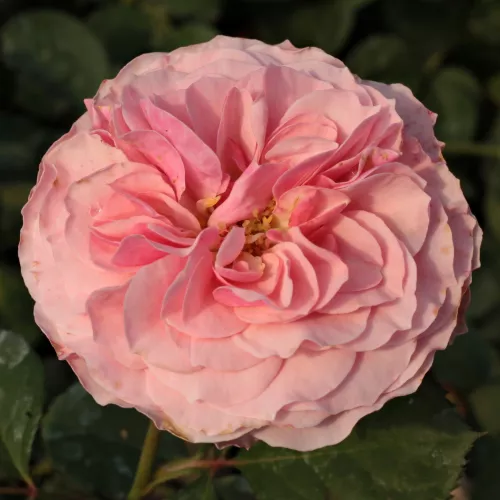
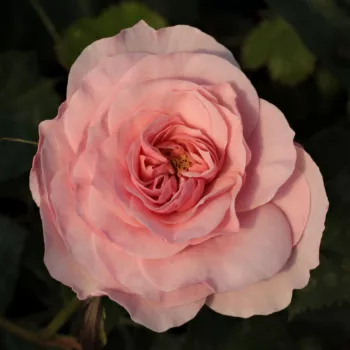
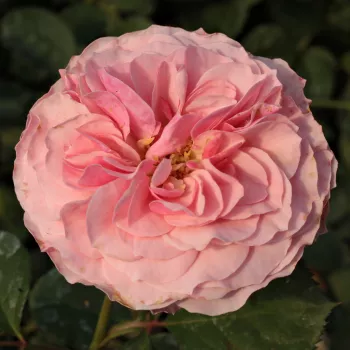
ÁRPÁD-HÁZI PRÁGAI SZENT ÁGNES – pink bedding floribunda rose
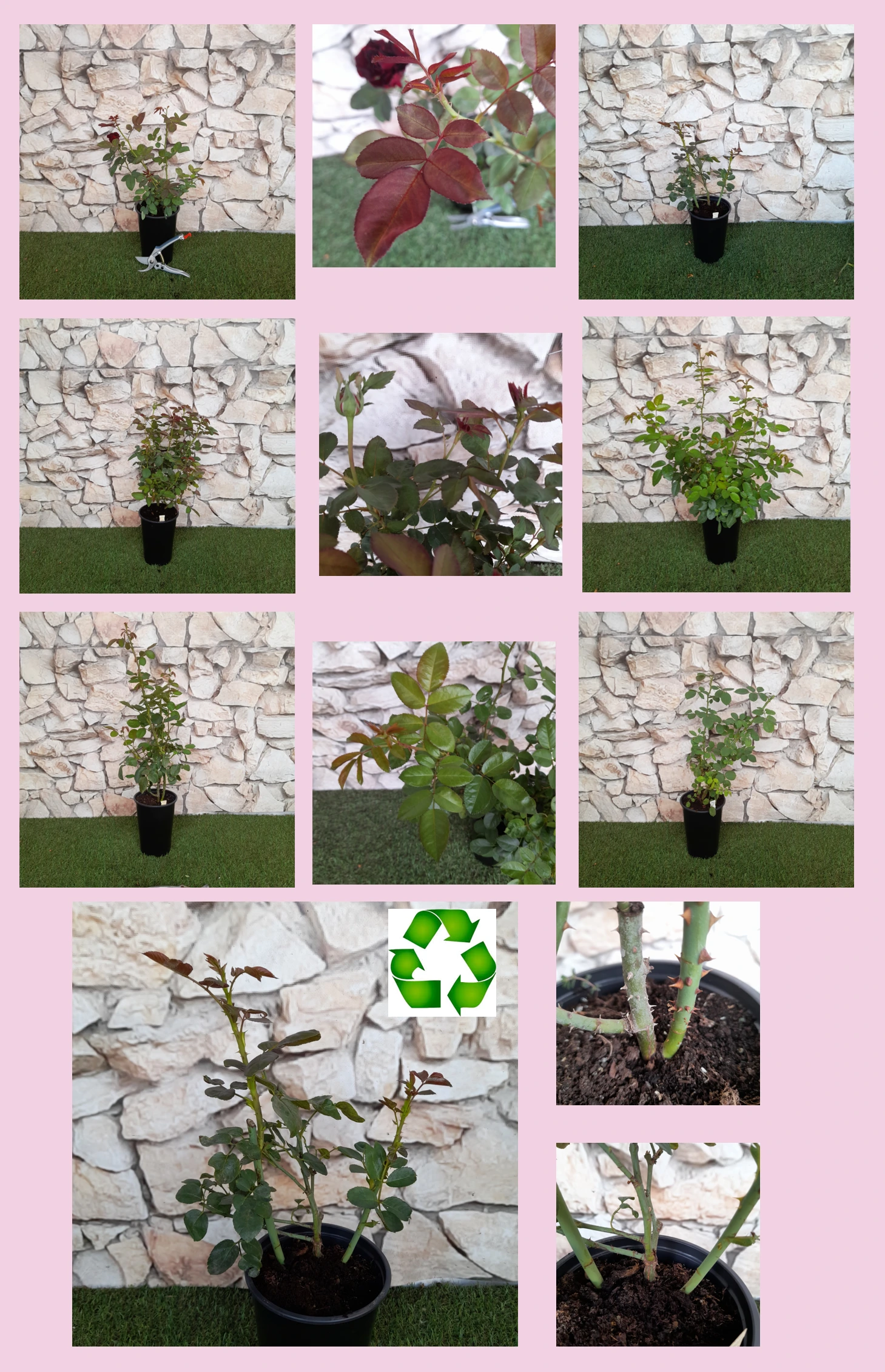
Pastel petals, a soft sweet fragrance and a naturally bushy habit make ÁRPÁD-HÁZI PRÁGAI SZENT ÁGNES an easy rose to live with in everyday family gardens. Bred by Hungarian rosarian Márk Gergely, this floribunda forms a dense, mid-green backdrop that sets off its light pink, porcelain-toned blooms beautifully, creating a refined yet relaxed cottage look around paths, drives and front windows. It copes well with typical British weather, including exposed spots where there is regular wind and rain along coastal districts, while its good heat and moderate drought tolerance is reassuring for drier summers and busy owners. As an own-root plant it settles in steadily, growing into a long-lived, stable shrub that regenerates well after pruning or harsh winters and can be kept neat with simple annual trimming. Over its first seasons you see roots establish, then stronger shoots, and finally a full, balanced display by the third year, rewarding patient, low-effort gardeners. Ideal for small groups in beds and borders, it brings gentle colour without demanding complex care, fitting seamlessly into classic front-garden and cottage schemes. Its remontant flowering habit gives an abundant second flush, prolonging the display well into summer with minimal intervention. In a larger container of at least 40–50 litres on a terrace or by the front door, its compact yet generous growth creates a welcoming feature that is easy to maintain. Choose it if you value understated elegance, reliable performance and a rose that simply feels at home in a lived-in, family setting.
Usage options
| Target area |
Reasoning |
| Front garden bed by the path |
The bushy, mid-height habit and dense foliage form a tidy, structured line along paths and drives without becoming overpowering, while the pastel pink flowers soften brick and paving for a welcoming first impression, ideal for beginners. |
| Small mixed border in a family garden |
Its repeat flowering and medium maintenance needs make it a reliable anchor among perennials and cottage plants, giving gentle, porcelain-pink colour through the season without complicated pruning, suiting time-pressed homeowners. |
| Low flowering hedge around lawns or play areas |
Regular spacing at 50–55 cm creates a continuous, bushy line that frames lawns and play spaces with a soft, elegant edge; moderate thorns and stable structure are manageable with simple yearly trimming for practical families. |
| Feature rose in a 40–50 litre terrace container |
In a sufficiently large pot it keeps a compact, upright-bushy shape and flowers generously, giving front doors and patios a refined focal point that copes well with drier spells, appealing to busy urban gardeners. |
| Small groups in classic cottage-style beds |
Planting in clusters of three to five shrubs builds a harmonious drift of soft pink, reminiscent of traditional cottage gardens, while own-root resilience supports long-term structure with straightforward care, attractive for style-conscious beginners. |
| Sunny, low-input family border |
Preferring sun and tolerating heat and moderate drought, it suits borders where watering is occasional rather than constant, maintaining an orderly shrub form that still looks composed during holidays for relaxed owners. |
| Decorative focus in small urban front gardens |
A single or pair of shrubs gives refined impact in tight spaces, the translucent pastel flowers lightening hard landscaping and coping with exposed conditions where coastal winds and rainy spells are frequent, reassuring for city-front gardens. |
| Long-term rose bed composition |
As an own-root floribunda it forms its permanent shape in situ and responds well to simple annual pruning, supporting decades of stable ornamental value and gradual improvement, rewarding patient hobby gardeners. |
Styling ideas
- Cottage Drift – plant in threes among lady’s mantle and catmint to create a soft, billowing pastel edge along a path – ideal for romantic front-garden enthusiasts.
- Formal Frame – use as a low hedge with clipped box or yew behind to give a structured, traditional frame to a lawn – suited to owners who like orderly, classic layouts.
- Pastel Patio – place a single shrub in a 50-litre clay pot with trailing lobelia at the rim for a welcoming doorway accent – perfect for busy urban householders.
- Soft Screen – repeat plant along a boundary fence with airy companions like hemp-agrimony to blur hard lines while keeping maintenance simple – good for privacy-seeking families.
- Single Statement – feature one well-grown plant as a solitary specimen in a small front bed, underplanted with low perennials, for calm, understated elegance – appealing to minimalist gardeners.
Technical cultivar profile
| Parameter |
Data |
| Name and registration |
Árpád-házi Prágai Szent Ágnes is a floribunda bed rose used as a flowerbed shrub; commercial type flowerbed floribunda rose, breeder-marked as a Márk variety for garden use. |
| Origin and breeding |
Bred by Hungarian rosarian Márk Gergely, with breeding work completed in Hungary in 1998; parentage and exact breeding line are unknown, introduced by PharmaRosa Ltd. |
| Growth and structural characteristics |
Medium-height, bushy shrub reaching about 100–140 cm high and 65–95 cm wide, with dense, slightly glossy mid-green foliage and moderate prickles, forming a solid, balanced outline. |
| Flower morphology |
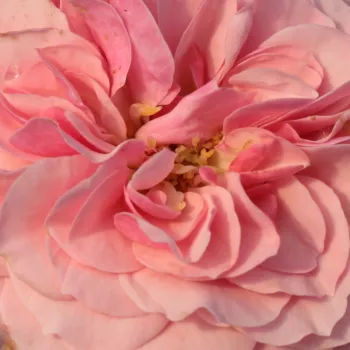
Large, double, cup-shaped blooms with 26–39 petals, mostly borne singly on stems; remontant with abundant second flowering that provides reliable seasonal colour in beds and borders. |
| Colour data and phenology |
Soft, uniform pastel pink with a porcelain cast, opening from creamy buds; colour gradually lightens to almost whitish pink and silvery-edged petals toward the end of each flowering phase. |
| Fragrance and aroma |
Gently perfumed with a mild, sweet scent; fragrance is present but restrained, adding a pleasant close-up experience without overwhelming nearby seating or small, enclosed spaces. |
| Hip characteristics |
Occasionally produces small, 8–12 mm, ellipsoid rose hips that turn orange-red as they ripen, offering modest late-season interest without significantly affecting overall garden appearance. |
| Resistance and winter hardiness |
Hardy to around −21 to −18 °C (RHS H7, USDA 6b, Swedish Zone 3); shows medium resistance to major fungal diseases and tolerates summer heat and moderate drought reasonably well. |
| Horticultural recommendations |
Best in sunny positions with good soil; plant 50–55 cm apart for hedges and beds, or as a 90 cm solitary; maintain with moderate care and occasional plant protection where disease pressure is high. |
Árpád-házi Prágai Szent Ágnes offers soft pastel flowers, a tidy bushy habit and good heat tolerance, and as an own-root rose it promises durable structure and easy renewal, making it a thoughtful choice for long-term family gardens.