ARIEL – orange hybrid tea rose - Bees
Timeless elegance with glowing, orange blooms makes ARIEL an easy choice for classic British front gardens where you want colour without complexity; its upright, bushy habit keeps borders neat while coping well with the brisk, coastal breezes and frequent rain common in many UK gardens. Medium height and tidy spread help this rose slip naturally into small beds, cottage-style mixes and around-the-house plantings, offering a refined yet welcoming look. As an own-root plant it settles in securely and, with patient care, moves from quiet root-building in the first year to confident growth in the second and full ornamental presence by the third, supporting a long-lived, reliable display. The semi-double, remontant flowers appear on individual stems ideal for cutting, so you can enjoy their sweet, spicy scent indoors as well as outside. Awarded a prestigious RNRS Gold Medal, ARIEL combines proven garden performance with moderate maintenance needs, suiting busy but style-conscious beginners.
Usage options
| Target area | Reasoning |
|---|
| Front garden focal point |
ARIEL’s upright hybrid tea form and medium height create a clear focal point beside a path or doorway, offering tidy structure without dominating a small front garden. The semi-double flowers on strong stems present cleanly above the foliage, so the colour reads well from the street, giving instant kerb appeal with relatively modest care – ideal for style-conscious homeowners. |
| Classic cottage-style bed |
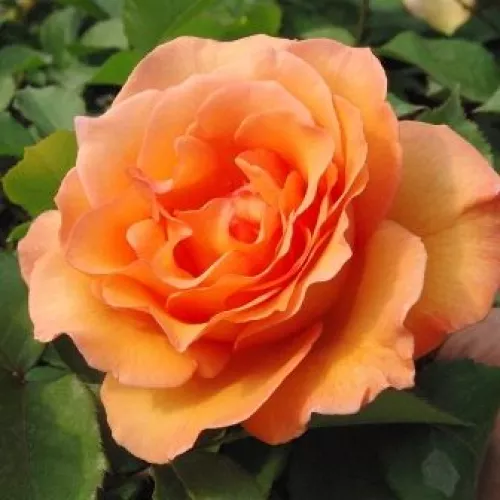
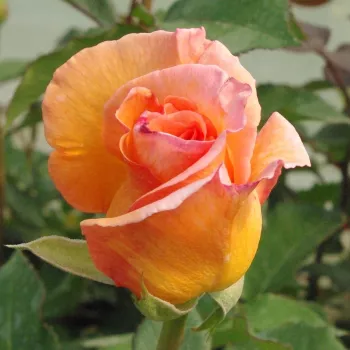
The warm orange-yellow blooms with soft scarlet touches blend beautifully with blues, creams and soft pinks, making ARIEL a natural fit in cottage-style borders. Its medium, bushy habit weaves into mixed plantings without overwhelming perennials, while repeat flowering keeps colour running through the season for a relaxed, traditional look that still stays manageable for beginners. |
| Small mixed border with shrubs and climbers |
Moderately dense, mid-green foliage and a 60–90 cm height allow ARIEL to sit comfortably in front of light climbers and compact shrubs. It gives a refined colour contrast with plants such as clematis or honeysuckle, and its structured, bushy growth prevents gaps in the planting line, supporting an ordered, low-fuss layout valued by busy gardeners. |
| Feature plant in family flower bed |
The large, ball-shaped blooms and remontant habit provide plenty of interest for family gardens where flowers are enjoyed close-up. Children and adults alike can appreciate the evolving colour from golden buds to creamy, flushed blooms, while the plant’s moderate care needs and balanced growth habit keep routine jobs manageable for casual gardeners. |
| Cut-flower row or cutting corner |
Solitary, long-stemmed flowers and a sweet, spicy fragrance make ARIEL well suited to a small cutting area. Regular picking encourages further blooming, and the classic hybrid tea form looks refined in vases. This lets you bring garden colour indoors without complex cultivation methods, an appealing option for creative but time-limited urbanites. |
| Small group planting for visual impact |
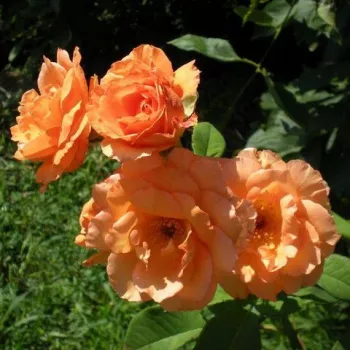
Planted in groups of three to five at about 40 cm spacing, ARIEL forms a gently interlocking drift that reads as a single, glowing feature. The combination of bushy habit and medium height gives a soft, rounded mass of colour that looks carefully planned while remaining easy to prune and refresh, suiting design-minded novices. |
| Long-lived structural rose in a key position |
As an own-root rose, ARIEL gradually forms a stable, balanced bush that recovers well from pruning and ordinary winter damage, supporting a long ornamental lifespan in the same spot. This long-term reliability reduces the need for replacements and complex renovation work, attractive to those planning gardens for many years, especially thoughtful homeowners. |
| Border in exposed or weather-prone sites |
Its compact, anchored growth and moderate disease resistance help ARIEL cope with the changeable, damp conditions often seen in UK gardens, where strong winds and regular rain can challenge taller or more fragile roses. This balanced resilience supports a dependable, tidy display with straightforward seasonal care for practical, low-maintenance-seeking gardeners. |
Styling ideas
- Cottage Harmony – Combine ARIEL with lavender, hardy geraniums and soft pinks to echo traditional cottage borders without overcrowding the space – ideal for romantic front-garden planners.
- Doorway Welcome – Plant a pair of ARIEL either side of a path or porch with low evergreen edging to frame the glowing blooms – suited to homeowners seeking classic kerb appeal.
- Cutting Corner – Create a small cutting strip with ARIEL, interplanted with seasonal annuals such as cosmos for filler, to enjoy regular scented bouquets – perfect for home florists.
- Layered Border – Place ARIEL in front of light climbers like honeysuckle or clematis, with lower perennials at the edge, for a tidy, tiered look – good for structure-focused gardeners.
- Warm Glow Cluster – Group three to five ARIEL plants to form a rounded island of colour in a lawn or gravelled area, framed by low grasses – designed for those wanting impact with little fuss.
Technical cultivar profile
| Parameter | Data |
|---|
| Name and registration |
ARIEL is a historic hybrid tea (Pernetiana) rose used as a garden and exhibition cut flower; introduced by Bees and Sealand Nurseries, it is an unregistered but well-documented variety. |
| Origin and breeding |
Bred in the United Kingdom by Bees Ltd. around 1920 from ‘Madame Edouard Herriot’ × ‘Natalie Boettner’, introduced in 1922 through Bees Ltd. and Sealand Nurseries for garden and cut-flower use. |
| Awards and recognition |
Recognised with a Royal National Rose Society Gold Medal in 1920, indicating notable early 20th-century performance and ornamental value in formal rose trials and exhibitions. |
| Growth and structural characteristics |
Medium-sized, upright, bushy shrub reaching about 60–90 cm in height and 50–70 cm in spread, moderately thorny with mid-green, slightly glossy foliage of moderate density for balanced structure. |
| Flower morphology |
Semi-double, large hybrid tea blooms with around 13–25 petals, borne mainly singly on stems; ball to pompon shaped flowers repeat well, with a plentiful second flush in suitable conditions. |
| Colour data and phenology |
Medium-bright orange-yellow base with golden centres and scarlet shading, softening through buttery yellow to creamy tones; colour retention is moderate, giving an evolving display as blooms age. |
| Fragrance and aroma |
Clearly scented hybrid tea rose with a medium-strength fragrance described as sweet and spicy, noticeable at close range and suitable for enjoying both on the plant and in cut-flower arrangements. |
| Hip characteristics |
Occasionally forms small, egg-shaped orange-red hips around 10–14 mm in diameter, adding subtle late-season interest without significantly affecting the plant’s flowering performance. |
| Resistance and winter hardiness |
Hardy to approximately –21 to –18 °C (RHS H7, Swedish Zone 3, USDA 6b) with moderate disease resistance; generally good against black spot, with moderate susceptibility to mildew and rust. |
| Horticultural recommendations |
Prefers a sunny position with well-prepared soil; allow about 40 cm in beds and 65 cm for specimens, using standard rose feeding and seasonal pruning to maintain shape and sustained flowering. |
ARIEL offers glowing orange-yellow blooms, a neat bushy habit and repeat flowering on a durable own-root plant, making it a refined, long-lived choice for UK gardens you may wish to consider.