APRICOT QUEEN ELIZABETH – apricot-pink bedding grandiflora rose - Verschuren
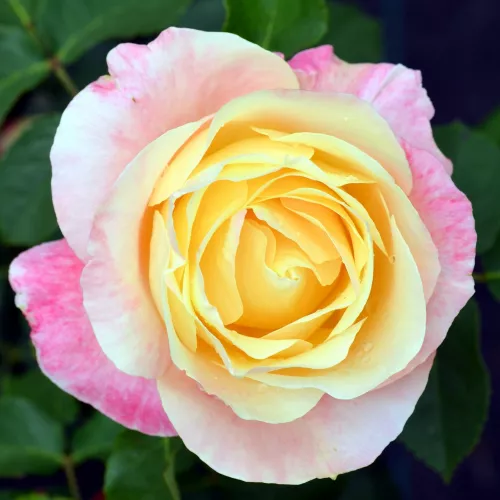
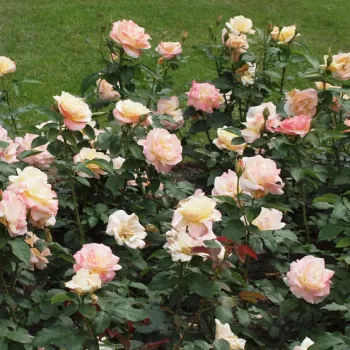
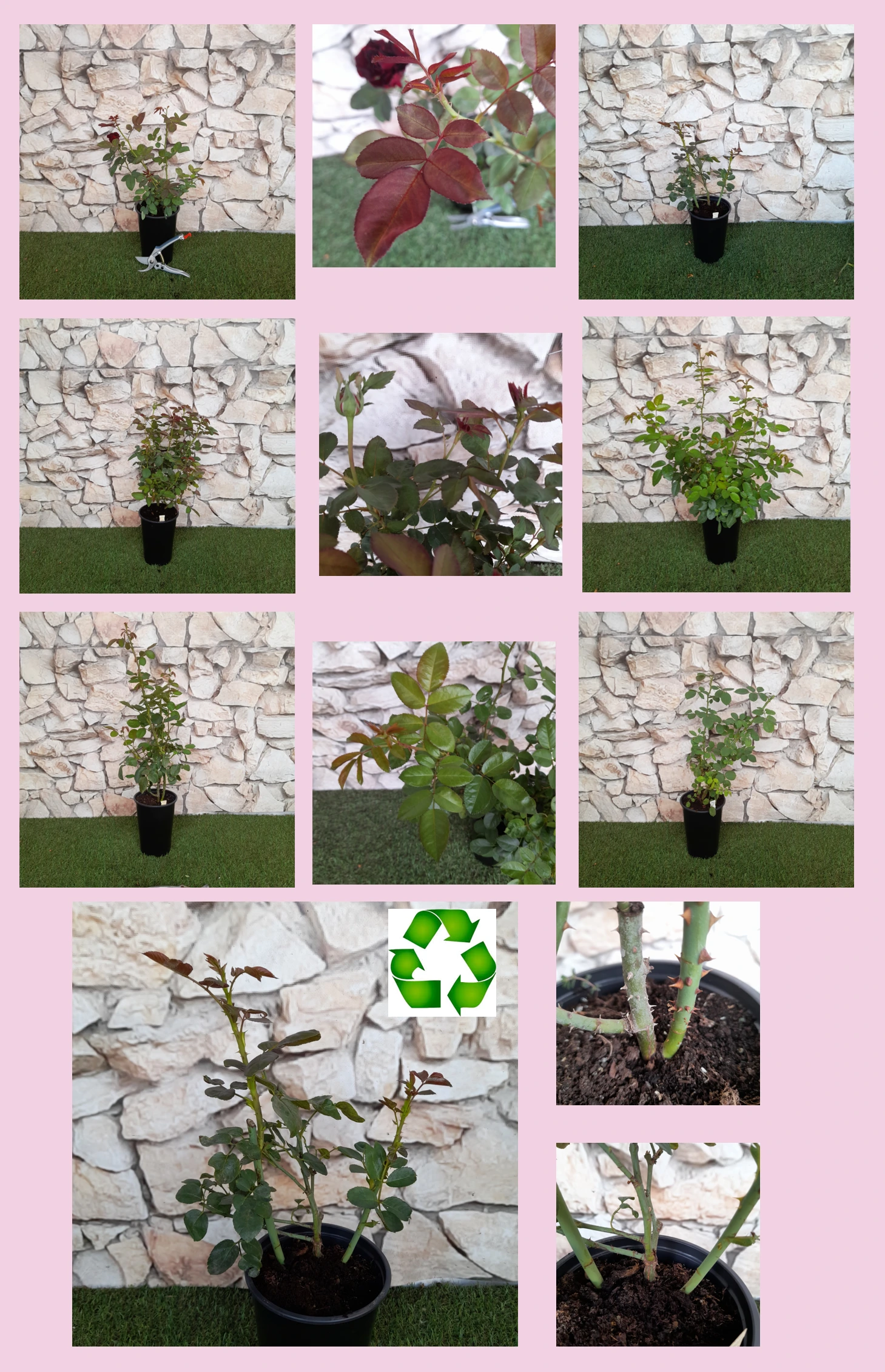
With its refined apricot-pink blooms and compact, upright habit, APRICOT QUEEN ELIZABETH is designed for effortless everyday planting in classic British front gardens, even where heavy soil means you rely on raised beds and careful drainage. This dependable grandiflora offers remontant clusters of large, double flowers, bringing waves of colour from early summer into autumn with a fragrant, slightly sweet scent that suits paths, windows and seating areas. As an own-root plant it establishes securely, matures steadily and maintains its shape over the years, supporting a naturally balanced bush that copes well with normal family-garden conditions. In the first year it concentrates on root growth, in the second on shoots, and by the third season it reaches full ornamental value, giving you a stable, low-fuss display that fits both beginners and more practiced gardeners.
Usage options
| Target area | Reasoning |
|---|
| Front garden feature rose |
The upright, bushy habit and dense, glossy foliage create a tidy, vertical accent that reads well from the street, while the pastel apricot-pink flowers soften brick and render. Medium maintenance with simple deadheading keeps it looking composed for style-conscious beginners. |
| Small bedding groups (1–5 plants) |
Planted at 40–65 cm spacing, repeated clumps form a cohesive, low bed that flowers in generous flushes through the season. The remontant character ensures regular colour with routine feeding and watering, supporting time-poor homeowners. |
| Cottage-style mixed border |
The warm peach and salmon-pink tones blend easily with perennials and traditional shrubs, acting as a steady colour anchor among changing companions. Its moderate height sits comfortably mid-border, suiting relaxed yet orderly gardeners. |
| Around-the-house ornamental strip |
Its compact spread and structured form make it ideal along paths, drives or house walls, where it will not overwhelm narrow borders. Reliable flowering with medium care demands works well for busy urban families. |
| Cutting for indoor vases |
Large, double, cluster-borne flowers with a strong, long-lasting scent are excellent for small arrangements, bringing classic rose character indoors. Regular light cutting encourages fresh growth, suiting fragrance-loving collectors. |
| Low informal hedge |
At 35 cm planting distance, repeated plants form a low, flowering line that subtly defines spaces without hard edges. Own-root growth builds into a long-lived, regenerating hedge with simple seasonal pruning for practical planners. |
| Raised beds on heavier clay |
In raised beds or improved soil, it settles quickly and uses its moderate drought tolerance to ride out short dry spells, giving dependable flowering even where wet winters and heavy ground demand considered, well-drained planting for cautious beginners. |
| Large patio containers |
In a pot of at least 40–50 litres, this upright grandiflora becomes a fragrant focal point near doors or seating. Own-root robustness supports long-term container culture with basic feeding and watering, ideal for space-limited city-dwellers. |
Styling ideas
- Porch Welcome – Flank a front door with two large containers of APRICOT QUEEN ELIZABETH for a symmetrical, scented entrance – ideal for homeowners wanting instant kerb appeal with modest upkeep.
- Cottage Ribbon – Run a loose line of plants along a path, interplanted with low catmint and hardy geraniums for a soft, cottage look – perfect for lovers of traditional, romantic borders.
- Pastel Patch – Create a 3–5 plant bed and weave in white foxgloves and pale pink campanulas to echo the apricot-pink blooms – suited to small gardens needing one reliable colour focus.
- Parkland Edge – Use as a low, informal hedge in front of evergreen shrubs such as cherry laurel for year-round structure with seasonal flower interest – good for those shaping larger family plots.
- Fragrant Seating – Place a pair of roses close to a bench or terrace, supported by soft grasses and salvias, to enjoy repeated scented flushes through summer – appealing to evening garden relaxers.
Technical cultivar profile
| Parameter | Data |
|---|
| Name and registration |
APRICOT QUEEN ELIZABETH – bedding grandiflora rose, ARS exhibition name APRICOT QUEEN ELIZABETH; the colour form honours the apricot variant of the famous ‘Queen Elizabeth’ rose. |
| Origin and breeding |
Sport of ‘Queen Elizabeth’, bred and introduced by H.A. Verschuren & Zonen, Netherlands, around 1980; developed as an apricot-pink grandiflora suitable for bedding and exhibition use. |
| Awards and recognition |
Recognised with a Top-Rose award in competition, confirming its combined ornamental performance, garden reliability and suitability for both display plantings and enthusiast collections. |
| Growth and structural characteristics |
Upright, bushy shrub with dense, glossy dark green foliage; height typically 75–105 cm with a 50–70 cm spread, moderately thorny stems and a neat, balanced outline in small garden spaces. |
| Flower morphology |
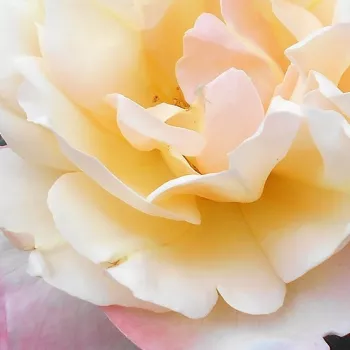
Large, cup-shaped, double flowers with 26–39 petals, produced mainly in clusters; remontant habit gives an abundant main flush followed by strong repeat flowering under normal garden care. |
| Colour data and phenology |
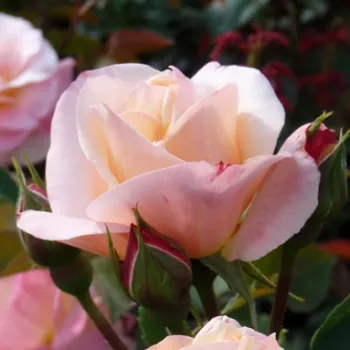
Peach-pink blooms with warm peach, salmon and soft orange tones; RHS 24C outer, 25B inner; colour lightens in strong sun but remains richer in cooler spells, suiting varied British seasons. |
| Fragrance and aroma |
Strong, long-lasting rose fragrance with a slightly sweet character; primarily ornamental with limited pollinator value due to its double form and largely concealed stamens and nectar sources. |
| Hip characteristics |
Hip production is generally low; occasionally forms small, ovoid orange-red hips about 13–17 mm in diameter, which contribute modest seasonal interest in late season when present. |
| Resistance and winter hardiness |
Hardy to approximately -26 to -23 °C (RHS H7, USDA 5b); good black spot resistance with moderate susceptibility to powdery mildew and rust, benefiting from standard preventative care. |
| Horticultural recommendations |
Best in full sun with fertile, well-drained soil; medium maintenance, occasional pest and disease checks; spacing 35–65 cm depending on use; suitable for beds, hedging, solitary and cutting. |
APRICOT QUEEN ELIZABETH offers remontant colour, strong fragrance and compact structure in a durable own-root form that settles long term into family gardens, making it a thoughtful choice for those planning a reliable, gently refined rose display.