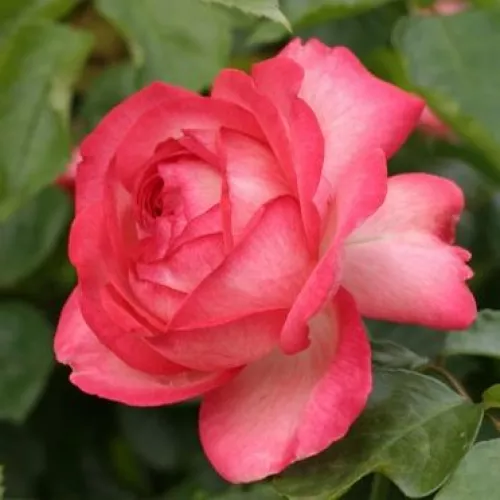
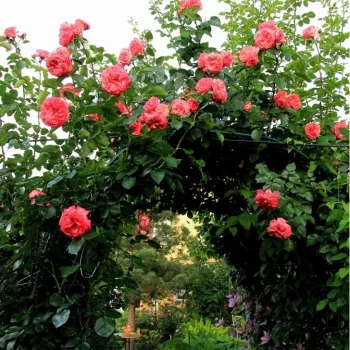
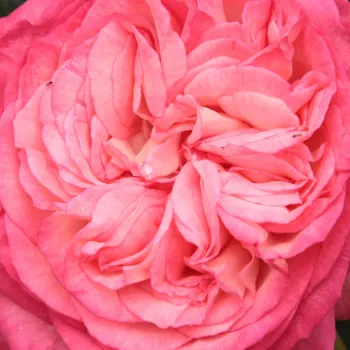
Petals with a white base and a vivid red edging. The two tones provide a sharp contrast. - climber, climbing rose - scentless rose - no noticeable fragrance
– Striking red‑white bicolour, long‑lasting blooms
– Strongly remontant, generous repeat flowering
– Large, very full, elegant cluster flowers
– Vigorous climber for arches, walls, pillars
– Hardy to about −30 °C, reliable in cold climates
– Special feature: Dense, glossy foliage sets off the nostalgic “Antike 89” flower look beautifully.
Unfortunately, we are currently unable to ship to the United Kingdom; we only deliver to countries within the European Union. For more information, please contact us!
5(8620)
ANTIKE 89™ – red-white climbing rose - Kordes
With its striking bicoloured blooms and dependable climbing habit, ANTIKE 89™ brings classic rose character to pergolas, arches and house walls without demanding elaborate care. Large, very full flowers appear in generous flushes through the season, giving a traditional, almost old-fashioned charm that still fits seamlessly into modern family gardens. This own-root plant is supplied well rooted in a 2-litre pot, ready to establish steadily and give long-term structure in typical British conditions, even where you need reliable anchoring in breezier, exposed spots near the coast. Plant once and it will mature from root-building in the first year to stronger shoots in the second, and by the third year you can expect full ornamental impact. Its medium maintenance level suits gardeners who can manage simple pruning and occasional tidy-up of spent blooms. The colour stays pleasingly fresh on the plant, helping you maintain a clean, well-presented display around the home. Use it as a statement feature over a front gate or to soften boundary fences, where its height and dense foliage provide lasting garden privacy.
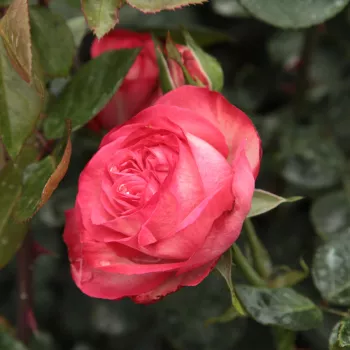
Closed bud of Antike 89™ with dark red tips and a pale white base.
Antike 89™ shows a very full, cup-shaped bloom with a red-white colour contrast.
Dense, glossy dark green foliage of Antike 89™ climbing rose.
Dense, glossy dark green foliage on Antike 89™.
Usage options
Target area
Reasoning
Front-garden arch or gateway
As a tall, vigorous climber with dense, glossy foliage, ANTIKE 89™ quickly creates a welcoming frame over arches and gateways. The repeat-flowering, red-and-white blooms give a strong focal point that reads well from the street yet remains tidy with moderate dead-heading and light pruning, making it practical for busy homeowners and beginners.
House wall or sunny fence
Its 2.25–3.75 m height range makes it ideal for training along warm, sunny walls or fences, where the well-anchored growth and own-root resilience develop into a long-lived framework. This allows you to “plant and settle” the rose once, then maintain it with simple annual pruning, suiting time-poor urban and suburban gardeners.
Pergola or seating-area pergola
The combination of dense foliage and showy clusters of large, full flowers gives attractive overhead cover on pergolas without excessive shading. Trained along beams and uprights, it forms a durable, woody structure that enhances seating areas season after season with only moderate tying-in and shaping for relaxed family gardens.
Pillar or obelisk feature
Its naturally upright climbing habit and medium spread mean ANTIKE 89™ winds neatly around pillars, posts, and obelisks without overwhelming them. This creates strong vertical accents in smaller beds and cottage-style schemes, keeping the footprint compact while still giving height and colour for design-conscious home owners.
Small rose border or mixed cottage bed
The refined red-and-white flowers integrate beautifully with perennials and grasses, offering a sophisticated colour highlight rather than a flat block of red. Planted with partners such as garden phlox or blue fescue, it adds depth and contrast while remaining manageable in mixed plantings for style-focused cottage-garden enthusiasts.
Cut-flower section in a family garden
Large, double, exhibition-grade blooms on long, sturdy stems make this variety useful for occasional cutting without stripping the garden of colour. Its remontant flowering provides several opportunities through the season to take a few stems indoors while the plant continues to decorate the garden for home-based flower lovers.
Structured pair planting at entrances
Using two plants flanking a path or doorway, the consistent, well-branched growth habit helps create balanced, mirror-image plantings. Over a few seasons the own-root plants develop into stable, symmetrical climbers, offering dependable form with only routine winter pruning for symmetry-minded front-garden planners.
Exposed or breezier suburban plots
Its climbing framework and dense, well-attached foliage lend good stability when trained properly, helping it cope in gardens where wind can be an issue, including more open and coastal-influenced sites with reliable anchoring in windy, rain-swept positions for practical, low-fuss rose buyers.
Styling ideas
Classic-archway – Train ANTIKE 89™ over a metal or wooden arch with lavender and blue fescue beneath to echo its cool-toned foliage and set off the bicoloured blooms – ideal for traditional front-garden romantics.
Cottage-fence – Let it climb a sunny picket or trellis fence, interplanted with garden phlox and hardy geraniums for a soft, layered cottage look – suited to those wanting charm without complex maintenance.
Formal-pairing – Place two climbers at either side of a gate or path entrance, underplanted with low box or dwarf barberry to emphasise structure – perfect for homeowners seeking orderly, symmetrical design.
Pergola-retreat – Cover a compact pergola above a bench, combining with shade-tolerant pots beneath for a calm seating corner framed by flowers – good for urban gardeners creating a small-feel sanctuary.
Vertical-highlight – Use a single plant on an obelisk or pillar in a mixed border, repeating red accents with nearby perennials for a cohesive scheme – attractive to design-led beginners building confidence.
Technical cultivar profile
Property
Data
Name and registration
Climbing rose, large-flowered climber; registered as KORdalen, marketed as Antike 89™ Climbing rose KORdalen, ARS exhibition name Antike 89 for shows and catalogues.
Origin and breeding
Bred by W. Kordes & Sons in Germany (1987), from (‘Grand Hotel’ × ‘Sympathie’) × (unnamed seedling × ‘Arthur Bell’); first commercially introduced in 1989, registered in 1988.
Growth and structural characteristics
Strong climbing growth reaching 2.25–3.75 m high, 0.7–1.3 m spread; dense, dark green glossy foliage on well-branched, thorny canes; needs support and tying for walls, arches, pillars, or pergolas.
Flower morphology
Large, very full, cup-shaped flowers with 40+ petals, usually borne in clusters; strongly remontant with generous second flush; moderate self-cleaning so some spent blooms benefit from manual removal.
Colour data and phenology
Red-white bicolour: creamy-white base with vivid red margins (RHS NN155C, 45A). Buds dark red over pale bases; colour holds well, only moderately fading in strong sun through successive flushes.
Fragrance and aroma
Considered a scentless rose with no noticeable fragrance; decorative value comes from flower form, size, and bicolour effect rather than scent, making it suitable where fragrance is not a priority.
Hip characteristics
Limited hip production due to very double blooms; where formed, hips are ellipsoidal, orange-red, around 12–18 mm in diameter, offering occasional late-season decorative interest on the plant.
Resistance and winter hardiness
Rated to about –29 to –32 °C (USDA zone 4b, RHS H7, Swedish zone 5). Disease resistance moderate to black spot, mildew, and rust; tolerates heat reasonably but needs watering through long droughts.
Horticultural recommendations
Best in full sun with supports on walls, fences, arches, pillars or pergolas; plant 90–180 cm apart depending on use. Medium maintenance; regular pruning, feeding, watering, and occasional plant protection advised.
ANTIKE 89™ offers reliable repeat flowering, strong vertical structure and elegant red-white blooms on a durable own-root climber, making it a thoughtful choice if you would like a long-lived feature rose.
Detailed product attributes
Product Identification Data
Product Name:
ANTIKE 89™ – red-white climbing rose - Kordes
Product Type:
pharmaROSA® ORIGINAL - 2-litre own-root potted rose
Hip Comment:
Formation of rose hips is expected to be limited due to the double flowers; occasionally forming 12–18 mm in diameter, orange‑red, ellipsoid hips.
Our product is a rose grown with pharmaROSA®’s unique cultivation technology!
2-litre, own-root, potted rose.
With a shoot system appropriate to the season.
With a root system that thoroughly permeates the growing medium.
Quality compliant with the requirements of the E.N.A. (European Nurserystock Association).
Supplied in unique packaging that prevents damage.
Can be planted during frost-free periods.
True-to-variety rose bush with a unique identifier.
The pharmaROSA® own-root potted rose is a well-rooted plant that supports reliable establishment when planted and cared for properly, so it can be planted whenever the soil is not frozen.
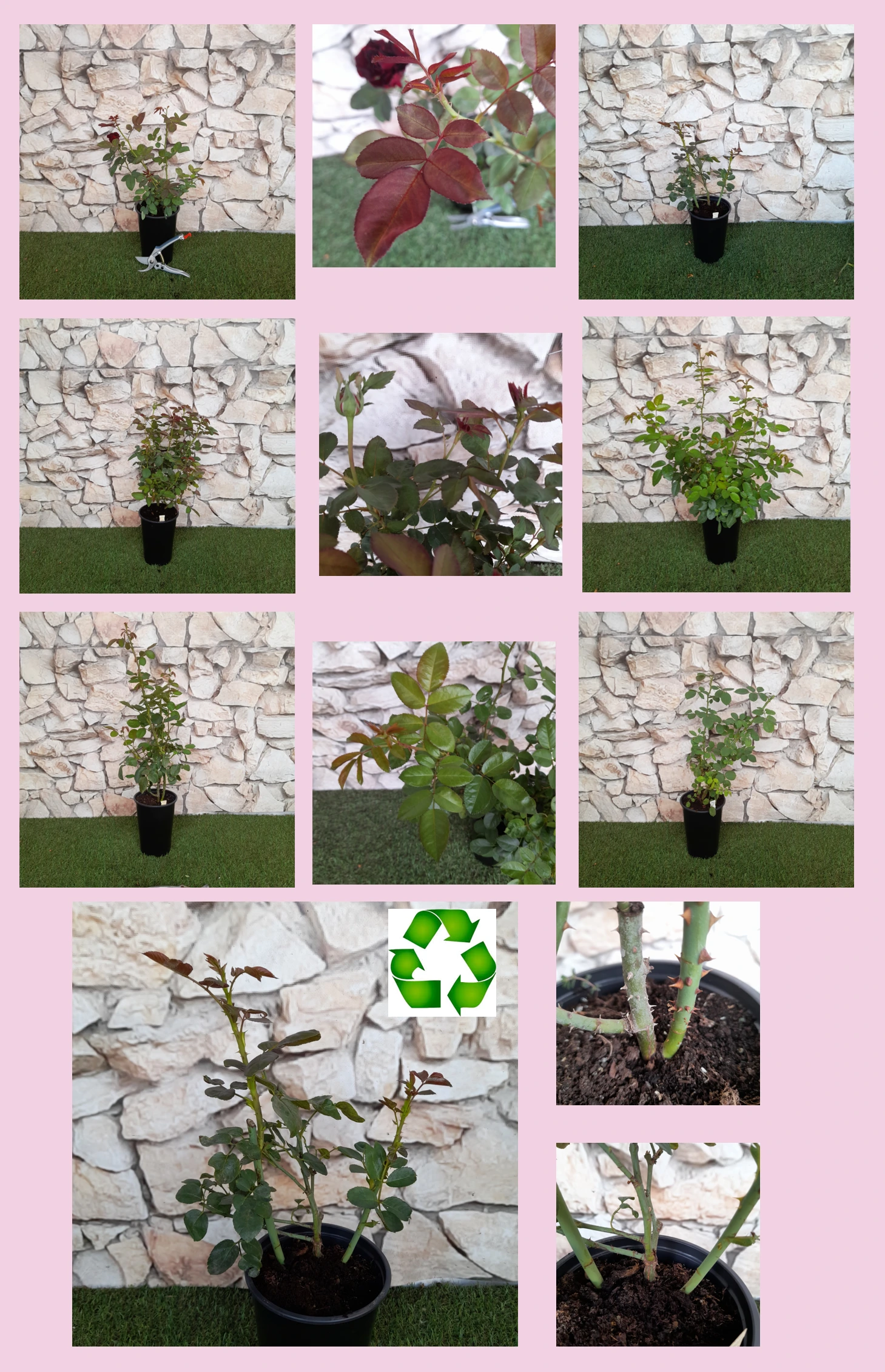
Crop overview: several varieties and growth stages in a short crop section.Shoot system: intensive growth of fresh basal shoots on a young plant.Root system: demonstration of a vigorous root system permeating the growing medium, by removing the pot.Balance: mature plant with root system and shoots in harmony with each other.
Information about the videos
The video series is not a “seasonal showcase”; it illustrates the essence of pharmaROSA® own-root cultivation in a tangible way: how the plant is built up, what the root system is like and how the shoot system regenerates. The recordings were therefore made at different times and with plants at various stages of development, so mixed foliage levels and differing stages of growth may appear in the videos. They are not a ‘sample’ of the batch dispatched, but a visual explanation of how the technology works. The current condition of the rose available to order — typical for the given period and similar to what you can expect to receive in the parcel — is shown in the upper part of the product page.
Pages for private customers Garden roses for the family garden, with minimal care → ORIGINAL® Premium garden roses – instant impact, a truly showpiece garden → EXTRA® Pages for professionals and private customers Roses for public spaces – large areas, sustainable maintenance → NATURAL® Roses for projects – hedge and row planting, fast implementation → RAPID® For professional partners only Production – propagation material for garden roses, wholesale → NEONATAL®
Company details
PharmaRosa Ltd. Company registration number: 01-09-717479 VAT number: 13075314-2-43 Plant health registration no.: HU130721 Bank account (IBAN): HU85117631891388688400000000 BIC (SWIFT): OTPVHUHB Bank name: OTP Bank Nyrt.