Animo – yellow-red bedding floribunda rose
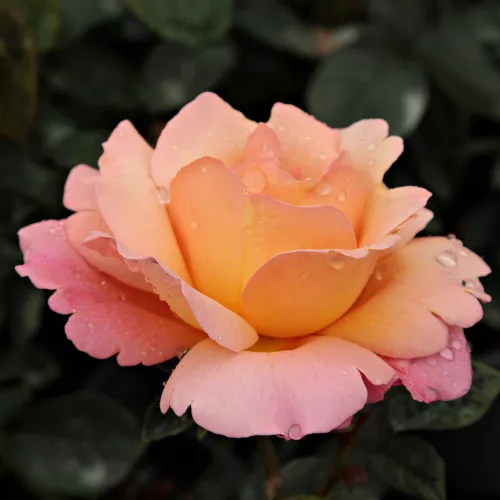
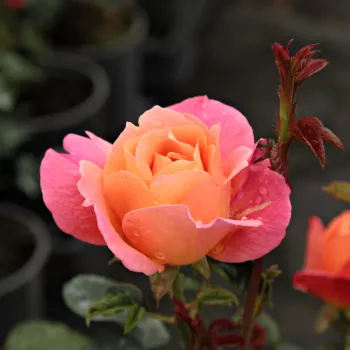
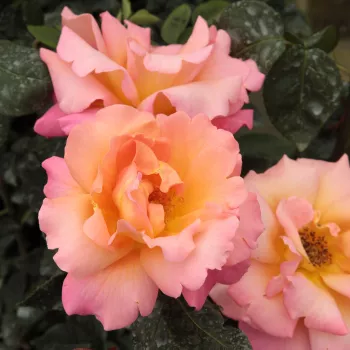
If You would like a compact, easy rose that simply settles in and performs, colour is where ‘Animo’ truly shines: each semi-double bloom opens golden-yellow with a red edge, then matures into a softer red-toned blend that stays attractive without obvious fading. Its bushy, mid-sized habit with dense, healthy foliage makes it ideal for tidy front gardens and low borders, even where heavy soil and damp weather demand reliable garden resilience rather than fuss. Bred for bed and mass planting, it offers generous, cluster-flowered displays and a plentiful second flush for long-season impact. Good overall disease resistance keeps maintenance minimal, so You can focus on enjoying the garden rather than constant spraying. As an own-root plant it establishes steadily and offers reassuring longevity, rebuilding from its base if ever cut back hard. In a smaller British family garden this measured, bushy structure makes layout decisions simple, while the modest size suits large containers from 40–50 litres. Over time, think roots in year one, strong shoots in year two and full ornamental abundance by year three as it finds its place among Your cottage-style favourites and everyday borders.
Usage options
| Target area | Reasoning |
|---|
| Front garden beds along paths or drives |
The compact, bushy habit with dense foliage forms neat, low mounds that frame paths and driveways without overwhelming the space. Its mid-green leaves create a clean backdrop, helping the yellow-red flowers read clearly from the pavement and giving a well-kept look with modest pruning – well suited to the aesthetics-focused beginner. |
| Small mixed borders around the house |
The distinctive bicolour flowers provide reliable seasonal colour in modest spaces, standing out against perennials and evergreens without clashing. Their golden-yellow base with red edging then soft red overlay offers visual interest over many weeks, so even a short border by the front door gains a sense of continuity and cheer for the busy urban gardener. |
| Classic cottage-style group plantings (3–5 roses) |
Planting three to five bushes together builds a generous, painterly swathe of blooms, echoing traditional cottage borders without demanding complex planning. The rounded structure and tidy height allow You to weave in low perennials without the rose becoming lanky or unbalanced, which is reassuring for hobby gardeners still learning border composition. |
| Low, informal flowering edging |
The moderate height and even spread make ‘Animo’ a natural choice for edging beds, defining boundaries while remaining easy to reach for light deadheading or the occasional trim. Clusters of semi-double flowers line the edge with colour, giving a sense of order and rhythm that helps beginners feel their garden is under control and manageable. |
| Small to medium family lawns and play spaces |
Where children need open lawn, this rose’s steady, not-too-tall growth and bushy outline fit neatly into corners and bed islands without encroaching on play. Its structural predictability makes future pruning decisions simple, and the thorn level is moderate rather than extreme, a practical balance for families who want beauty with everyday usability. |
| Low-maintenance flowering schemes near seating areas |
Good disease resistance means fewer disfigured leaves in view of terraces or benches, and less need for spraying regimes. Once established with decent soil preparation and moisture, the rose maintains its health-driven structure with light annual pruning, giving dependable shape and repeat flower without complex tasks, which suits those who prefer uncomplicated relaxation time. |
| Large containers (40–50 litre and above) |
In a substantial container the balanced, bushy habit and moderate final size allow roots and canopy to stay in proportion, preserving health and flower production over several years. Own-root stock encourages stable regrowth from the base if pruned hard or after winter, so even on patios or balconies You gain durability and a feeling of long-term security as an occasional gardener. |
| Small urban or coastal front gardens |
Where space and conditions are challenging, the combination of disease resistance, compact growth and adaptable own-root establishment helps it cope with wind-exposed or rain-prone plots without constant care, supporting gardens that face blustery, moisture-laden weather and heavy soils at the same time for the time-poor city or coastal homeowner. |
Styling ideas
- Cottage Glow – combine ‘Animo’ with Dianthus plumarius and airy grasses for a relaxed, colour-rich front border – for lovers of soft-edged cottage charm.
- Pathway Line – repeat small groups along a drive with evergreen candytuft to create a clean, low-maintenance edging – for homeowners who value tidy structure.
- Patio Focus – plant one rose in a 50-litre terracotta pot with trailing thyme to anchor a seating area – for balcony and terrace gardeners.
- Family Corner – group 3–5 bushes near a lawn, underplanted with low anemones for long-season interest – for families wanting resilient, unfussy colour.
- Urban Welcome – frame a front door with paired container roses and subtle underplanting of small perennials – for busy urban owners seeking instant kerb appeal.
Technical cultivar profile
| Parameter | Data |
|---|
| Name and registration |
Floribunda bed rose registered as ‘Animo’, also traded as Animo Bedding rose Animo; exhibition floribunda and shrub type used mainly for bedding and border displays. |
| Origin and breeding |
Bred by Gerrit de Ruiter in the Netherlands from ‘Masquerade’ × ‘Beauté’; registered and introduced in 1962 by De Ruiter Innovations B.V. as a bedding and landscape cultivar. |
| Growth and structural characteristics |
Bushy, medium-height shrub about 75–105 cm tall and 65–95 cm wide with dense, mid-green, slightly glossy foliage and moderate prickles, forming rounded, easy-to-place garden bushes. |
| Flower morphology |
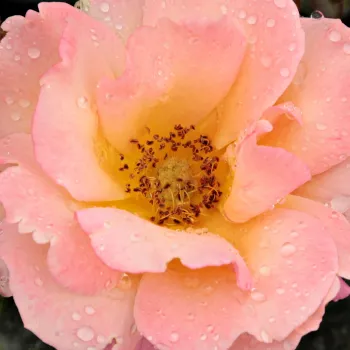
Semi-double, cupped, cluster-flowering blooms of medium size (approximately 1.5–2.75 in) carried in trusses, remontant with a reliable, plentiful second flowering through the main season. |
| Colour data and phenology |
Yellow-red bicolour with ARS code YR, RHS 34A outer and 14B inner; flowers open golden-yellow with red edge, then shift toward a richer red tone with a matt effect and minimal fading. |
| Fragrance and aroma |
Very weak, subtle rosy fragrance that does not dominate nearby seating areas; bloom form and petal count make it only moderately attractive to pollinating insects in most garden settings. |
| Hip characteristics |
Produces moderate numbers of small spherical hips, about 10–14 mm across, coloured orange-red; hips contribute a light decorative effect in late season where not removed by deadheading. |
| Resistance and winter hardiness |
Rated resistant to powdery mildew, black spot and rust; hardy to approximately −21 to −18 °C (RHS H7, Swedish zone 3, USDA 6b), suitable for most UK regions with routine care. |
| Horticultural recommendations |
Best in full sun in fertile, well-drained soil; plant 55 cm apart for massed bedding, 50 cm for low hedging or 90 cm as specimens, allowing good air movement and straightforward annual pruning. |
Animo offers distinctive yellow-red colour, a compact, balanced habit and reliable disease resistance on long-lived own-root stock, making it a considered choice if You would like an easy but characterful bedding rose.