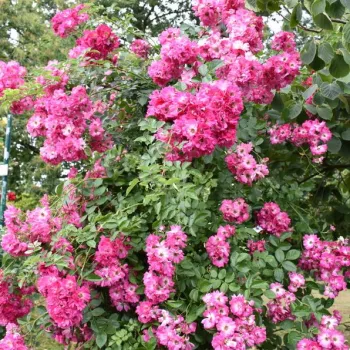
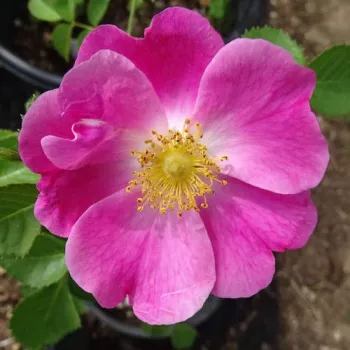
AMERICAN PILLAR – pink rambler climbing rose - Van Fleet
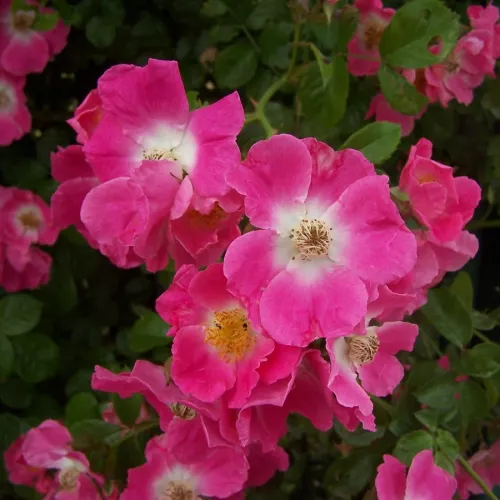
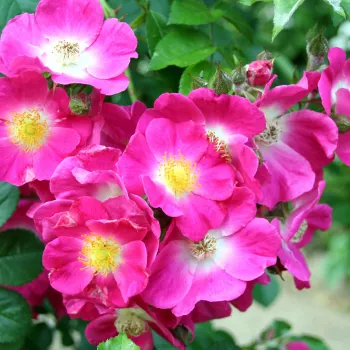
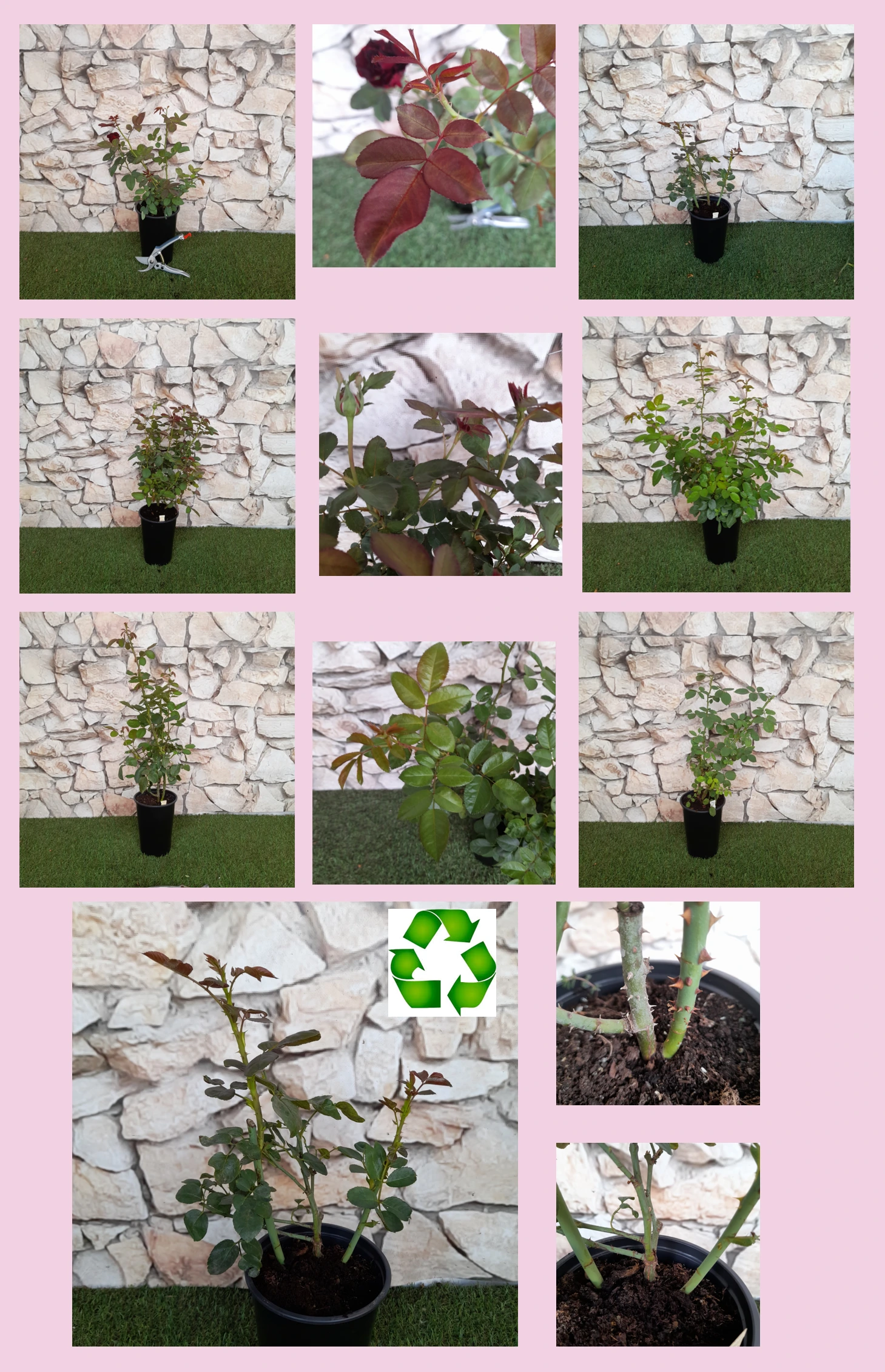
This historic rambler brings a wave of colour to walls, fences and pergolas with huge clusters of cyclamen-pink flowers and a clean white eye, creating a classic cottage-garden impact with minimal effort. Once established, its vigorous growth quickly clothes structures, while good tolerance of wind and rain makes it well suited to exposed British plots where strong canes anchor reliably even in rough weather. The single, open blooms invite bees and other pollinators, then give way to masses of small red hips for long-season interest. As an own-root plant it settles deeply, supporting a long lifespan with dependable structure and ornament, developing roots in the first year, strong shoots in the second and its full climbing presence by the third for enduring garden structure.
Usage options
| Target area |
Reasoning |
| Front-garden boundary fence |
Ideal for turning a plain front fence into a striking pink curtain in early summer, thanks to its very strong vertical growth that quickly covers open panels and trellis. Once the main flush has finished, the good self-cleaning keeps the line tidy without constant deadheading, suiting busy homeowners. |
| Pergola or arbour in a family garden |
The long, flexible canes readily train over arches and pergolas, forming a flower-laden tunnel that feels instantly romantic and traditional. Abundant clusters of single blooms create a dramatic show for several weeks, with dense, dark foliage giving structure for the rest of the year, perfect for cottage-style gardeners. |
| Wall planting in small to medium gardens |
Suited to walls where a strong climber is required to fill a wide area with minimal plants, making good use of vertical space in compact gardens. Its ability to tolerate partial shade lets you use east- or north-facing aspects, provided the roots are kept moist and well mulched, reassuring urban beginners. |
| Naturalistic, wildlife-friendly corner |
The simple, open flowers with bright yellow stamens are easily reached by pollinating insects, adding nectar value just when the main flush appears. Later, the numerous small red hips provide autumn and early-winter food for birds, supporting a loose, natural look enjoyed by wildlife-minded families. |
| Country-style hedge or screen |
Planted at the recommended spacing, it forms a relaxed, semi-informal screen that softens property boundaries and outbuildings. Moderate disease resistance, coupled with own-root resilience, supports long-term structure with only basic pruning and occasional health checks, well matched to low-maintenance gardeners. |
| Statement specimen on a large support |
Used as a single specimen on a robust obelisk, tall post or pillar, it showcases the full height and sweeping habit that inspired its name. The once-a-year flowering concentrates impact into a spectacular seasonal display, followed by glowing hips, rewarding patient rose enthusiasts. |
| Exposed or coastal-leaning sites |
Its strong canes and good heat and drought tolerance allow it to cope with breezier, more open gardens where other climbers may struggle, provided you give decent soil preparation and occasional irrigation in long dry spells, especially on sites with frequent strong winds, making it practical for coastal homeowners. |
| Mixed planting with perennials and shrubs |
The bold pink-and-white flowers combine well with classic cottage partners, while the glossy, dark foliage forms a rich backdrop for summer and autumn perennials. Own-root growth gives a stable base that responds well to periodic rejuvenation pruning, suiting evolving borders created by design-conscious amateurs. |
Styling ideas
- Cottage-arch romance – Train AMERICAN PILLAR over a timber arch, underplant with foxgloves and Physostegia for a soft pink-and-cream tunnel – ideal for lovers of traditional cottage entrances.
- Front-fence showcase – Cover a low front boundary fence, adding Euonymus japonicus ‘Microphyllus’ at the base for year-round structure – suited to homeowners wanting instant kerb appeal.
- Wildlife ribbon – Let it scramble along a back fence with Persicaria and ornamental grasses, where flowers and hips support insects and birds – perfect for wildlife-focused family gardens.
- Rambler pillar – Spiral canes around a sturdy post or obelisk to echo its columnar habit, keeping underplanting simple with lavender or catmint – for gardeners seeking a bold focal point.
- Shady-corner lift – Use against an east-facing wall in partial shade, pairing with ferns and shade-tolerant perennials to brighten a dull area – helpful for small-plot gardeners with limited sun.
Technical cultivar profile
| Parameter |
Data |
| Name and registration |
Trade name AMERICAN PILLAR – pink rambler climbing rose - Van Fleet; ARS exhibition name American Pillar; unregistered cultivar within the rambler, Hybrid Wichurana climbing group. |
| Origin and breeding |
Bred by Walter Van Fleet in the United States around 1902 from Rosa wichuraiana × Rosa setigera × unknown seedling; introduced 1908 by Conard & Jones Co. for the US Department of Agriculture. |
| Awards and recognition |
Exhibited successfully as an ARS Climber class rose at Charleston, Philadelphia and Columbus Rose Society Shows around 2000, confirming its enduring value as an exhibition-quality climbing rambler. |
| Growth and structural characteristics |
Very vigorous climbing habit, 500–700 cm high with 250–400 cm spread; dense, dark glossy foliage on thorny canes; good self-cleaning with hips retained, creating a substantial, long-lived framework. |
| Flower morphology |
Medium-sized, single to semi-double flat flowers with 5–12 petals, borne in large, showy clusters; once-flowering in early season without remontant flush, concentrating display into one impressive period. |
| Colour data and phenology |
Intense cyclamen-pink buds open to pink blooms with a clear white eye and yellow stamens; colour lightens as flowers age, with overall pink effect and medium colour retention during the main flowering. |
| Fragrance and aroma |
Fragrance is very weak, with only a faint fruity character detectable at close range; the main ornamental value is visual impact and pollinator appeal rather than scent in typical garden conditions. |
| Hip characteristics |
Produces numerous small, spherical red hips 8–12 mm across after flowering; hips follow the self-cleaning fall of petals and contribute autumn and early winter colour and wildlife interest on the canes. |
| Resistance and winter hardiness |
Hardy to approximately -26 to -23 °C (RHS H7; Swedish Zone 4; USDA 5b); good heat and moderate drought tolerance; resistant to powdery mildew with moderate susceptibility to black spot and rust. |
| Horticultural recommendations |
Best on walls, fences, pergolas, arbours and large supports; plant 240–400 cm apart; suitable for partial shade; provide occasional pest and disease control and irrigation in prolonged dry spells. |
AMERICAN PILLAR offers dramatic seasonal colour, vigorous coverage of structures and reliable wildlife interest, while its own-root form supports long-term stability in the garden, making it a thoughtful choice for characterful family spaces.