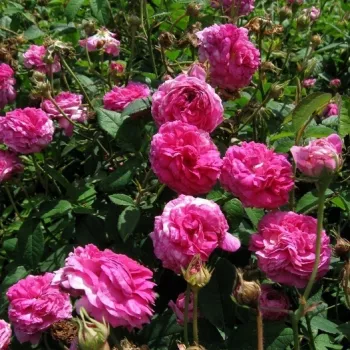
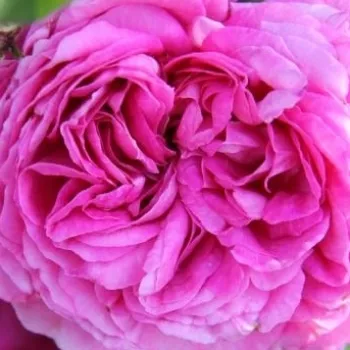
AMBROISE PARÉ – pink historical Gallica rose - Vibert
This distinguished heritage Gallica rose brings authentic nineteenth‑century character to compact British gardens, forming a tall, bushy, upright structure that anchors beds and borders with lasting presence. Its once‑a‑year summer spectacle of richly marbled lilac‑pink blooms delivers a memorable display, supported by strong, spicy rose fragrance that enhances cottage and front‑garden settings. On its own roots it develops steadily into a durable, long‑lived investment, regenerating from the base and rewarding patient gardeners over many seasons. In heavier soils it responds well to thoughtful planting that helps manage persistent wetness and winter storms, making it a reassuring choice for real‑world UK conditions. With good self‑cleaning flowers and medium maintenance needs, you can keep the shrub looking orderly with only occasional attention as it settles, and over the first few years you will see roots establish, then framework shoots build, and finally full ornamental impact develop.
Usage options
| Target area | Reasoning |
|---|
| Feature shrub in a classic front garden |
The tall, upright habit and historical character make this rose ideal as a single statement shrub beside a path, bay window or porch, where its once‑a‑year flowering becomes a seasonal event for front‑garden owners. |
| Small group planting in cottage‑style beds |
Planted in groups of 3–5 at the recommended spacing, the bushy growth knits into a full, traditional presence, giving a generous historic look with simple pruning and only medium care for cottage‑garden enthusiasts. |
| Background structure in mixed borders |
The 150–210 cm height and moderately dense foliage create a reliable leafy backdrop, allowing perennials and lower shrubs to shine in front while the rose adds depth and long‑term permanence for border planners. |
| Historic or period‑style garden schemes |
Originating from 1840s France, this genuine Gallica cultivar suits heritage and period projects, where authenticity and long lifespan matter more than continuous flowering for history‑minded gardeners. |
| Informal flowering hedge or boundary line |
At 85 cm spacing, several plants form a loose, thorny, seasonally flowering hedge that marks boundaries, gives privacy in summer, and needs only occasional shaping cuts for low‑maintenance homeowners. |
| Specimen rose in lawn or park‑style setting |
Used as a solitary shrub in open grass, it develops into a strong, self‑contained bush with good winter hardiness and minimal staking, becoming a long‑term focal point for informal‑park creators. |
| Part‑shade corner close to the house |
Its suitability for partial shade allows planting near north‑east facing walls or between taller shrubs, where it still flowers reliably and keeps its form with modest upkeep for space‑conscious gardeners. |
| Raised bed or improved soil on heavier ground |
In areas with heavier, wetter soil, planting in a raised or well‑drained bed helps roots establish securely despite persistent rain and wind, supporting long‑term shrub stability for clay‑soil gardeners. |
Styling ideas
- COTTAGE FOCUS – Pair with foxgloves, hardy geraniums and soft grasses to frame its once‑a‑year flowering as a highlight in a relaxed, romantic front garden – ideal for lovers of classic cottage borders.
- HERITAGE BORDER – Combine with other historical roses and box or Lonicera nitida ‘Maigrün’ edging to emphasise its authentic Gallica character and long lifespan – suited to gardeners building period‑style schemes.
- SOFT SCREEN – Use a loose row along a path with Pachysandra terminalis beneath to create a semi‑formal, flowering screen that remains tidy even between blooms – good for busy families wanting discreet structure.
- SHADE TRANSITION – Plant near light shade with ferns and hostas so the tall, upright shrub bridges sunny beds and shadier corners, keeping interest without demanding complex care – for small‑garden problem solvers.
- PARKLAND ACCENT – Set a single shrub in open lawn with low groundcovers like Waldsteinia ternata to underline its stature and historic presence – appealing to owners of larger plots seeking enduring focal points.
Technical cultivar profile
| Characteristic | Data |
|---|
| Name and registration |
Ambroise Paré – historical Gallica rose from the Heritage rose collection; unregistered cultivar, marketed under the verified trade name AMBROISE PARÉ – pink historical Gallica rose - Vibert. |
| Origin and breeding |
Historical French Gallica rose bred around 1845 by Jean‑Pierre Vibert, introduced in 1846; exact parentage and breeding institution unknown, reflecting typical origins of antique garden roses. |
| Growth and structural characteristics |
Bushy, upright shrub reaching about 150–210 cm in height and 80–120 cm spread, with moderately dense, matt mid‑green foliage and dense prickling, forming a strong, lasting structural presence. |
| Flower morphology |
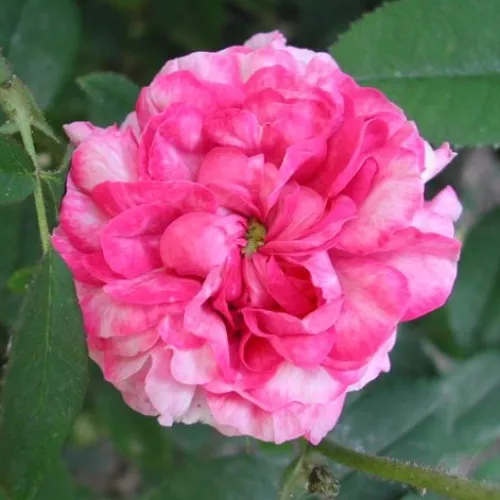
Medium‑sized, very double rosette blooms with over 40 petals, carried in clusters on the stems; non‑remontant once‑flowering habit, creating one concentrated main flush in early to mid‑summer. |
| Colour data and phenology |
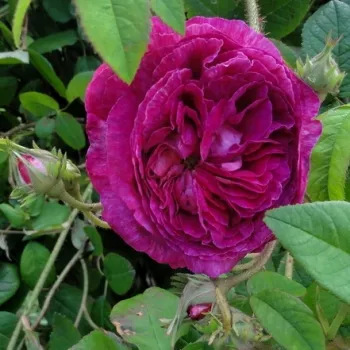
Vivid lilac‑pink base with mauve tones, marbled and striped with darker and paler pink; colour softens and may lighten to whitish pink in strong sun as the once‑per‑season flush matures. |
| Fragrance and aroma |
Strong, distinctly scented rose fragrance with spicy notes, clearly perceptible around the shrub in still air during peak bloom, enhancing seating areas and paths when used as a feature plant. |
| Hip characteristics |
Limited hip set due to fully double flowers; where formed, hips are bright red, spherical, about 10–15 mm in diameter, adding small but attractive seasonal interest after flowering. |
| Resistance and winter hardiness |
Hardy to approximately −32 to −29 °C (RHS H7, USDA 4b, Swedish zone 5); disease resistance moderate overall, with good black spot resistance but only moderate tolerance to mildew and rust. |
| Horticultural recommendations |
Best as specimen, hedge or flowerbed shrub at 85–170 cm spacing; prefers regular watering, tolerates partial shade, and benefits from occasional pest and disease checks to maintain long‑term vigour. |
AMBROISE PARÉ offers a tall, long‑lived historic presence, a single season of richly scented marbled pink flowers, and the dependable regeneration of an own‑root shrub; consider it for enduring character in a classic garden.