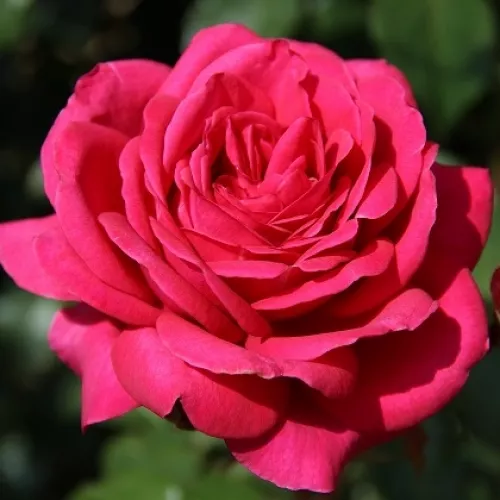
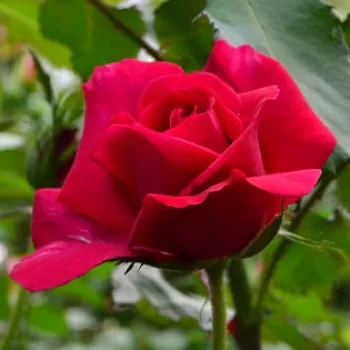
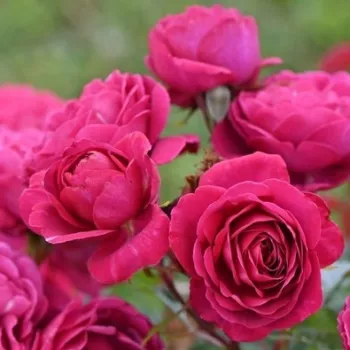
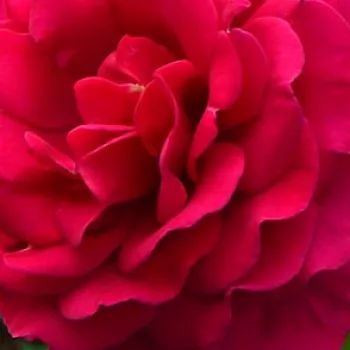
Abbaye de Beaulieu – raspberry-pink hybrid tea rose – EVEalexedit
This refined hybrid tea rose combines elegant high‑centred blooms with a compact, upright habit, bringing classic cut‑flower quality straight into your garden and onto the vase. Its raspberry-pink flowers open from pointed buds into semi‑double cups with a rich, fragrant character that stands out in both modern and cottage-style plantings. Perfect for front gardens and small beds, it forms a stable, well‑branched bush on its own roots, supporting a long lifespan and reliable, year‑on‑year performance. Once planted with reasonable drainage – particularly helpful where heavy soils meet frequent rain and wind – it settles steadily, with year one focusing on rooting, year two on leafy shoots, and year three revealing its full ornamental impact. In containers of 40–50 litres or more it develops into a generous feature plant, offering season‑long, remontant flowering for the busy but style‑conscious gardener.
Usage options
| Target area | Reasoning |
|---|
| Front garden focal bush |
The upright, bushy habit stays neatly within 80–120 cm, making Abbaye de Beaulieu ideal beside paths or near the front door where a single, shapely plant is needed. Semi‑double, exhibition‑style blooms provide a classic, tidy look that suits formal and cottage façades alike, even in smaller urban plots where space is at a premium for the style‑conscious homeowner. |
| Small mixed rose or cottage bed (1–3 plants) |
Planting in a small group allows the compact, evenly branched shrubs to read as one generous clump of raspberry‑pink colour, with repeat flowering creating a long season of interest. Own‑root growth means the bushes mature into a stable, balanced form over time, fitting easily into relaxed, cottage‑inspired borders that still need to stay manageable for the busy gardener. |
| Cutting corner for home bouquets |
Its high‑centred, pointed buds and long, straight stems mirror traditional florist roses, so a single bush can supply vases for the house throughout summer. Continuous remontant flowering gives a regular flush of exhibition‑type blooms, and the strong, lingering scent enhances indoor arrangements without needing a dedicated cutting garden, ideal for fragrance‑loving beginners. |
| Feature container on terrace or patio (40–50 L+) |
In a large pot of at least 40–50 litres, the naturally compact, upright structure is easy to manage, providing height and colour without overwhelming a terrace. Adequate watering and feeding support good repeat flowering, while own‑root resilience helps the plant re‑leaf and recover if growth is checked, suiting time‑pressed urbanites. |
| Sunny, warm border with reliable watering |
Once established, Abbaye de Beaulieu copes well with short dry spells, making it suitable for sheltered, sun‑caught spots if you can water in prolonged drought. The dense, glossy foliage and well‑branched frame fill the space cleanly, giving a structured look with minimal shaping, appealing to tidy‑border owners. |
| Part-shade flower bed near the house |
This cultivar tolerates partial shade, so it can be planted where buildings or shrubs cast light shade for part of the day. In these positions, the raspberry‑pink tones remain rich and the strong fragrance is concentrated along paths and seating areas, providing rewarding impact where other roses may sulk, reassuring cautious newcomers. |
| Formal pair planting by entrance or path |
A pair of bushes planted at the recommended specimen spacing creates a balanced, mirror‑image effect, with upright growth and consistent flower form supporting a formal layout. Over successive years, own‑root development builds symmetrical, well‑proportioned plants that anchor the design as they mature, giving confidence to structure‑seeking planners. |
| Ornamental bed in exposed, rainy locations |
When sited with reasonable drainage and some shelter, this rose establishes solidly even in gardens facing frequent wet and blustery spells, such as more open or coastal‑influenced sites. The compact, bushy framework anchors well and carries blooms above the foliage, helping the planting remain visually coherent despite unsettled weather for pragmatic gardeners. |
Styling ideas
- Cottage Duo – Combine Abbaye de Beaulieu with airy Gypsophila repens ‘Knuddel’ to soften the base of the bush, echoing cottage borders while keeping the rose’s compact, upright form clearly visible – ideal for romantic front‑garden enthusiasts
- Elegant Trio – Plant three bushes in a shallow triangle in a small bed for a rounded mass of raspberry‑pink blooms that read as one feature shrub, giving high impact from minimal plants – suited to low‑maintenance design‑seekers
- Patio Focus – Use a single rose in a 50‑litre container, underplanted with silver foliage such as Artemisia to frame its exhibition‑type flowers and fragrance, creating a simple but polished focal point – appealing to balcony and terrace users
- Structured Border – Repeat the rose at regular intervals along a mixed border, filling gaps between perennials while its neat, bushy habit supplies rhythm and vertical accents – perfect for gardeners wanting orderly yet colourful schemes
- Entrance Symmetry – Flank a path or doorway with a matched pair, their upright, well‑branched growth giving a classic, welcoming frame that looks deliberate even in modest plots – attractive to homeowners who value formal touches
Technical cultivar profile
| Property | Data |
|---|
| Name and registration |
Hybrid tea rose; registered as EVEalexedit, marketed as Abbaye de Beaulieu – raspberry-pink hybrid tea rose – EVEalexedit; exhibition name Abbaye de Beaulieu for show and cut‑flower use. |
| Origin and breeding |
Bred by Jérôme Rateau in France (2011); parentage not recorded. Introduced commercially in 2019 by André Eve / Roses Anciennes André Eve, representing the modern French hybrid tea tradition. |
| Awards and recognition |
Perfumer trainees’ prize at Bagatelle International Rose Competition (2019); Gold medal, hybrid tea category, Nyon International New Roses Competition (2020); SNHF Grand Prix de la Rose (2024). |
| Growth and structural characteristics |
Compact, upright to bushy shrub 80–120 cm high, 50–75 cm wide, with dense, dark green, glossy foliage and moderate prickliness; forms a balanced, well‑filled bush when grown on its own roots. |
| Flower morphology |
Semi‑double, high‑centred, pointed‑budded blooms in solitary fashion on stems; 13–25 petals, large flower size, remontant with particularly abundant second flush; weak self‑cleaning, so deadheading is recommended. |
| Colour data and phenology |
Medium‑deep raspberry‑pink with cyclamen undertone; dark, velvety buds lighten slightly as they open. Colour generally holds well, only modestly lightening in strong sun; offers a long sequence from bud to full bloom. |
| Fragrance and aroma |
Full‑bodied, strong and long‑lasting scent typical of quality hybrid teas, prominent in both garden and cut stems; bred and recognised for its perfume, making it suitable for fragrance‑focused plantings and bouquets. |
| Hip characteristics |
Hip set is usually sparse due to flower form; occasional small spherical hips 10–15 mm across, red (RHS 46A), may appear if flowers are left uncut, but ornamental and wildlife value from hips is limited. |
| Resistance and winter hardiness |
Hardy to about −21 to −18 °C (RHS H7; USDA 6b; Swedish zone 3). Disease resistance is modest, with susceptibility to powdery mildew and rust; regular protection and good air circulation are advisable. |
| Horticultural recommendations |
Best in fertile, well‑drained soil with full sun to partial shade; water during prolonged dry spells. Space 45–90 cm depending on use. Regular deadheading and preventive spraying help maintain foliage and flowering quality. |
Abbaye de Beaulieu offers compact structure, rich fragrance and cutting-quality blooms on a resilient own-root shrub that matures gracefully, making it a considered choice for long-term, characterful planting.